
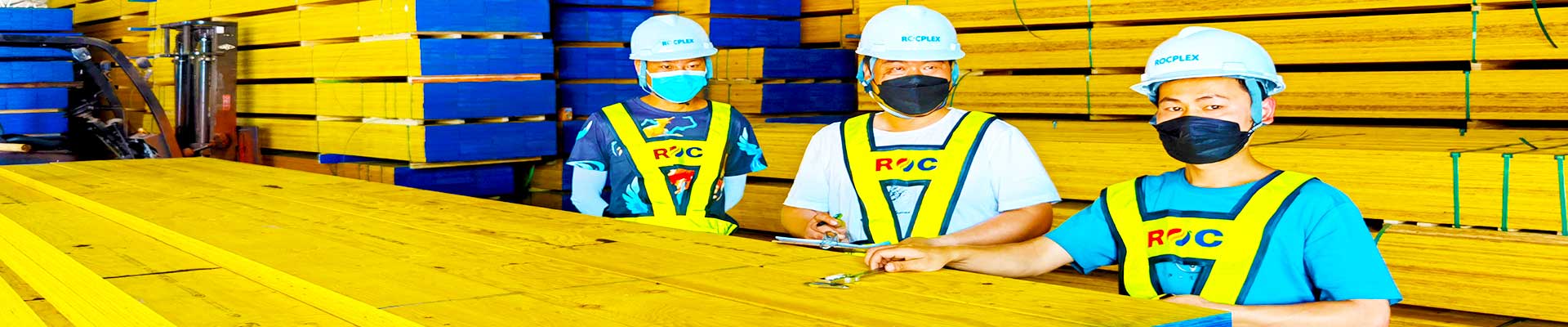
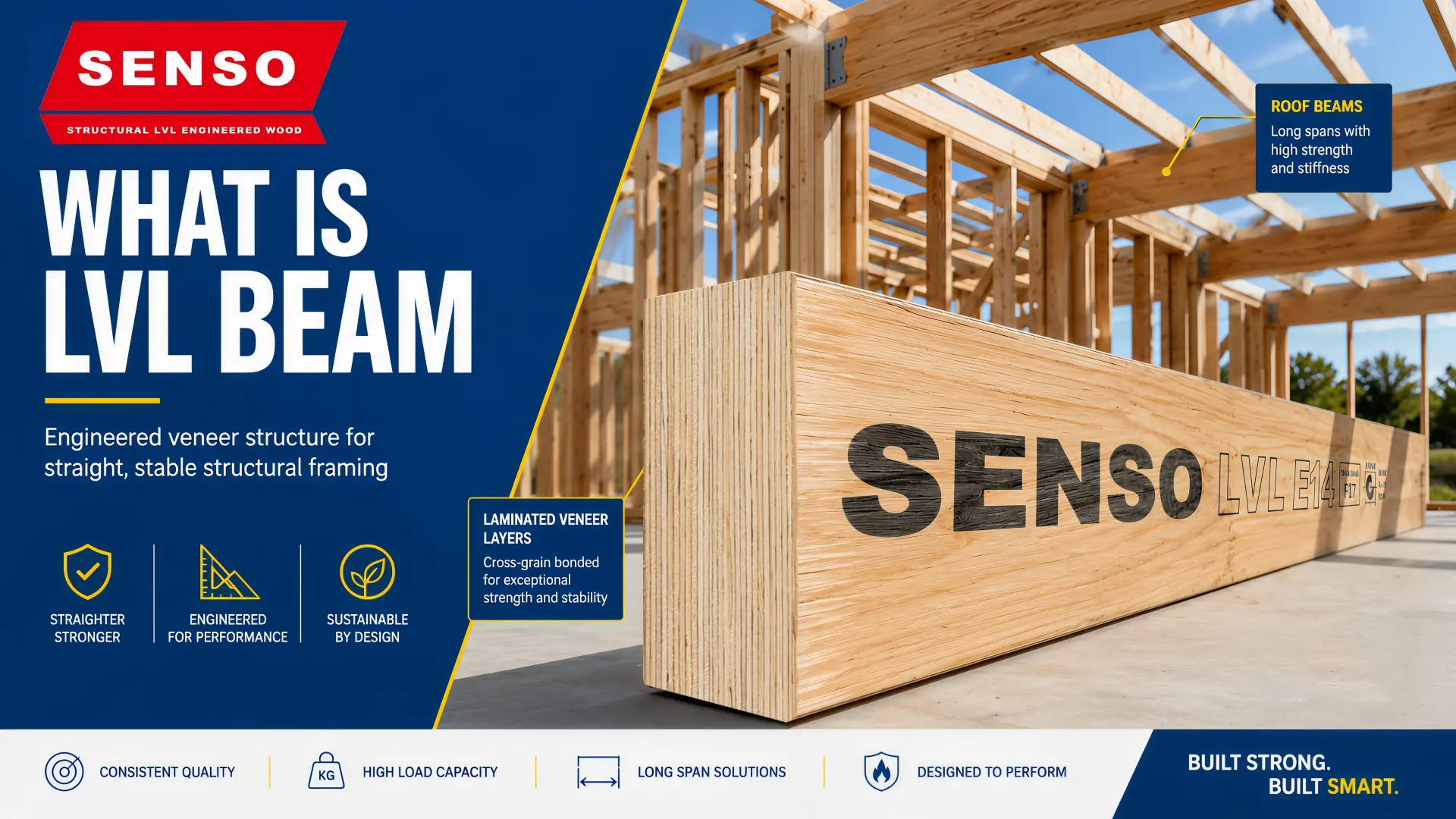
Buyers asking “what is LVL beam?” need a clear answer before they compare sizes or grades. An LVL beam is an engineered wood member made from thin, graded veneers glued under heat and pressure. Most grain runs along the beam. As a result, the beam stays straight, keeps a steady size, and has known design values. Builders use LVL for lintels, floor beams, roof beams, wall frames, formwork, and scaffold planks.
What Is LVL Beam in Structural Timber
LVL means laminated veneer lumber. It is part of a group called structural composite lumber. Makers build it from thin wood veneers instead of one solid piece of sawn wood.
Most veneers run in the same direction as the beam. Therefore, the member carries load well along its length. Some products also use cross veneers, so buyers should use the exact data sheet.
An LVL beam is not plywood. Plywood is usually a sheet with changing veneer direction. By contrast, LVL is usually a long beam or stud.
In short, what is LVL beam covers both its veneer layup and its job.
APA lists LVL as structural composite lumber and shows uses such as beams, headers, rafters, scaffold planks, and I-joist flanges.
How an LVL Beam Is Made
A sound LVL beam starts with veneer control. Although mills differ, the steps are much the same.
- Logs are peeled into thin veneers.
- The veneers are dried to a set moisture range.
- A grading system sorts each veneer.
- Glue is spread on the veneer faces.
- The veneers are laid mainly in one direction.
- Heat and pressure bond the layup into a billet.
- The billet is cut, checked, marked, and packed.
First, grading places better veneer where it adds the most value. Next, steady drying helps the glue form a sound bond.
Heat, pressure, glue spread, moisture, and press time all affect the beam. Therefore, a smooth face alone does not prove quality.
Buyers should check the grade, data sheet, batch mark, and test records. As a result, LVL can give steady results when the mill controls each step.
Why Buyers Choose an LVL Beam
LVL can solve jobs that are hard to manage with normal sawn wood. However, its value does not come from one broad claim about strength.
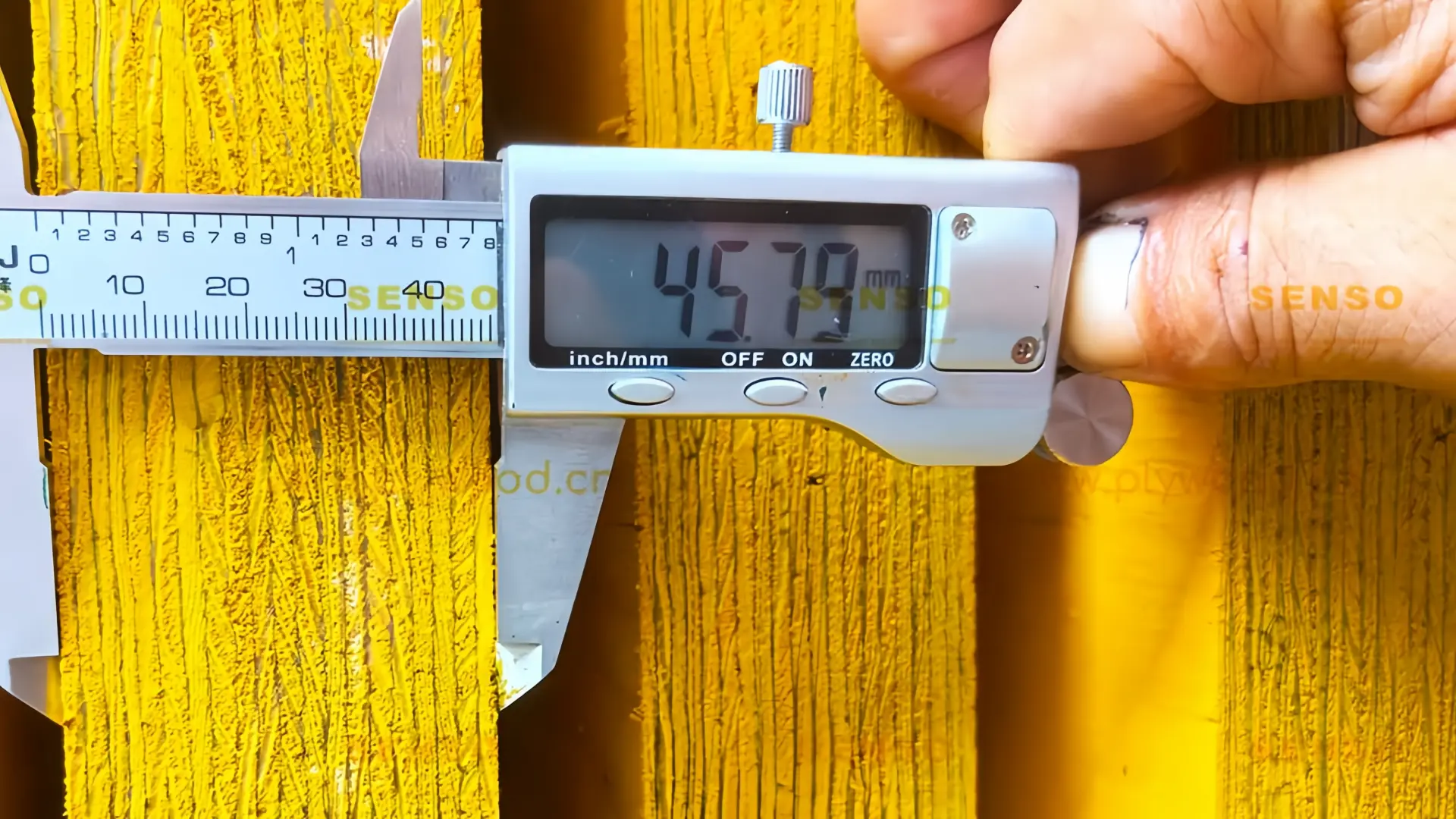
The mill grades veneers before layup. As a result, knots and grain changes have less effect on the beam.
| LVL feature | Value for the buyer | Detail to check |
|---|---|---|
| Long lengths | Fewer joints | Stock length and transport limit |
| Graded veneers | More steady values | Grade and data sheet |
| Straight members | Less site trimming | Straightness and size limit |
| Repeat sizes | Better hanger fit | Width, depth, length, and cuts |
| Clear marks | Better batch tracking | Grade, treatment, and batch |
| Planned packs | Easier job sorting | Pack size and unload method |
For example, straight beams can cut site waste. Still, grade, size, support, and load all matter.
Where Buyers Use LVL Beams
LVL uses cover many jobs because mills can make several grades, sizes, treatments, and product types.
Structural LVL Beam Uses
Builders use LVL for lintels, headers, floor bearers, roof beams, ridge beams, and rafters.
However, these jobs need checked design data for span, load, bend, bearing, side support, and joints.
LVL Beam Uses in Wall Framing
Structural LVL can give straight studs for tall walls, wide openings, and stable frames.
Even so, wall use still needs the right grade, treatment, bracing, fixing, and water care.
Engineered Timber Systems
Makers may use LVL in wood I-joists or other tested systems. Therefore, the system maker sets the final rules.
Formwork Scaffold and Factory Use
Form LVL can work as a bearer in concrete formwork, while Edge Form LVL can support slab edges. In addition, purpose-tested LVL can serve as scaffold planks.
Still, one grade does not suit every job.
How an LVL Beam Differs From Other Materials
Buyers often compare LVL with solid wood, plywood, glulam, and steel. Yet each product has a different shape and job.
| Material | Main form | Common job | Main question |
|---|---|---|---|
| LVL | Veneer-based long member | Beams, lintels, rafters, and formwork | Which grade and size suit the job |
| Solid wood | Sawn natural member | General frames | Which species and grade apply |
| Plywood | Cross-layer sheet | Floors, walls, and panels | Which thickness and panel grade apply |
| Glulam | Bonded wood laminations | Large or visible beams | Is a large or curved beam needed |
LVL suits jobs that need long, straight wood members with known values. By contrast, plywood suits sheet work.
Meanwhile, glulam may suit large or visible beams. Therefore, the best choice depends on the job.
What Controls LVL Beam Performance
An LVL beam does not have one span or one load limit for every job. Instead, several points work together.
First, the grade sets the design values. These may cover bend, stiffness, shear, pull, and crush strength.
Next, beam width and depth affect stiffness, bend strength, bearing, and space for joints. In particular, more depth can make a beam much stiffer.
A spread floor load is not the same as one heavy point load. Also, clear span is not the same as total beam length.
Bearing length, side support, beam spacing, load time, and joint design can change the result. In addition, dry indoor use may need different care from site exposure.
Holes, notches, and unplanned cuts can reduce strength. Therefore, site teams should follow written maker advice or an approved design detail.
AS/NZS 4357.0:2022 sets rules for the making, structural rating, and proof of structural LVL. However, it does not replace the current data sheet or a job-specific design check.
For early planning, buyers can review LVL beam sizes and LVL beam span tables. Finally, the chosen member should match the data for the exact product.
What Buyers Should Confirm Before Ordering an LVL Beam
Before ordering an LVL beam, buyers should set out the job, market, grade, size, treatment, amount, and delivery need.
- Final use and market
- Grade or needed design values
- Width, depth, and cut length
- Amount for each size
- Known span and load
- Bearing and joint needs
- Treatment or use class
- Product marks and batch tracking
- Certificates and test files
- Pack size and wrap
- Port and delivery date
Responsible wood claims also need a document check. FSC chain of custody covers firms that make or sell forest-based goods with FSC claims. Therefore, buyers should check the certificate scope, product claim, invoice text, and shipping papers.
In addition, the order should match the approved quote and product sheet. A low price cannot fix the wrong grade or size.
The LVL timber supplier checklist can help importers compare product data, checks, packs, and files.
How SENSO Supports Global Buyers
SENSO supplies LVL for frames, formwork, scaffold use, and factory work.
First, the team checks the final use. Next, it reviews grade, size, treatment, packs, files, amount, and delivery.
This step helps buyers avoid mixing product types. For example, formwork data should not guide frame orders.
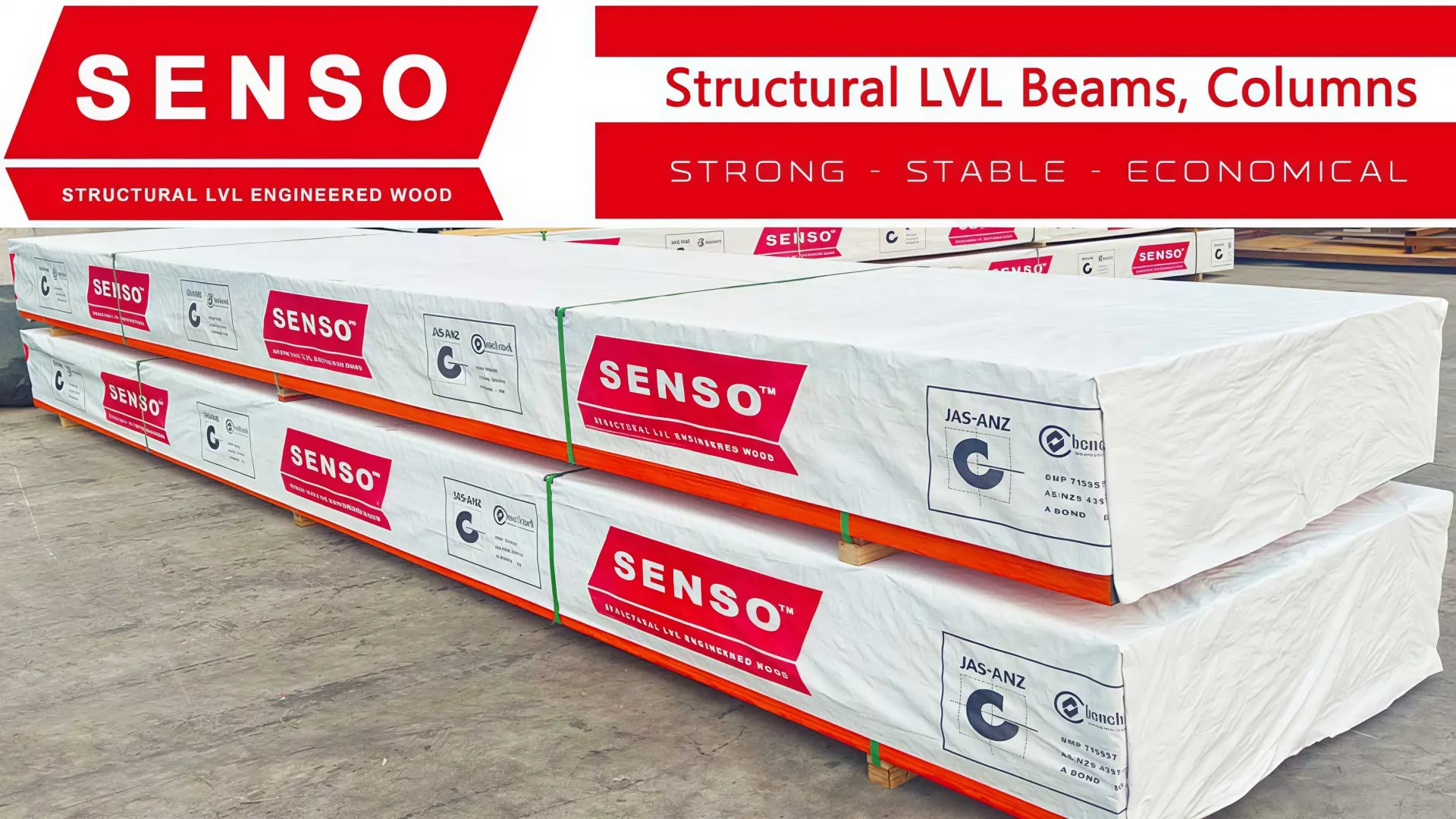
SENSO can help with packs, marks, checks, and export files. However, the project designer or engineer makes the final design choice.
Common Questions About LVL Beams
Is an LVL Beam Stronger Than Solid Timber
LVL can have higher and more steady values than many sawn wood sections. However, the answer depends on the exact grade, size, and design rule.
Can an LVL Beam Get Wet
Some products can cope with short site exposure. Therefore, users should follow the guide for the actual product.
Can Builders Drill or Notch an LVL Beam
Holes and notches can cut bend and shear strength. Therefore, site teams should use written maker advice or an approved design detail.
How Long Can LVL Beams Be Supplied
Stock length depends on the mill, beam size, transport, and lifting plan. However, long beams need safe packing.
Is an LVL Beam the Same as Glulam
No. LVL uses thin veneers, while glulam uses thicker wood laminations. However, both are engineered wood products.
Better Orders Start With the Real Job
The answer to what is LVL beam is simple. It is a veneer-based wood member made to keep a set size and meet stated values.
However, the buying choice needs more detail. First, set out the job. Next, confirm grade, size, treatment, load, files, packs, and delivery.
As a result, the supplier can quote the right product. The design team also gets a clear base for its checks.
For a SENSO quote, send the use, sizes, lengths, amounts, market, treatment, and file needs to roc@plywood.cn.
Post time: Jul-13-2026