
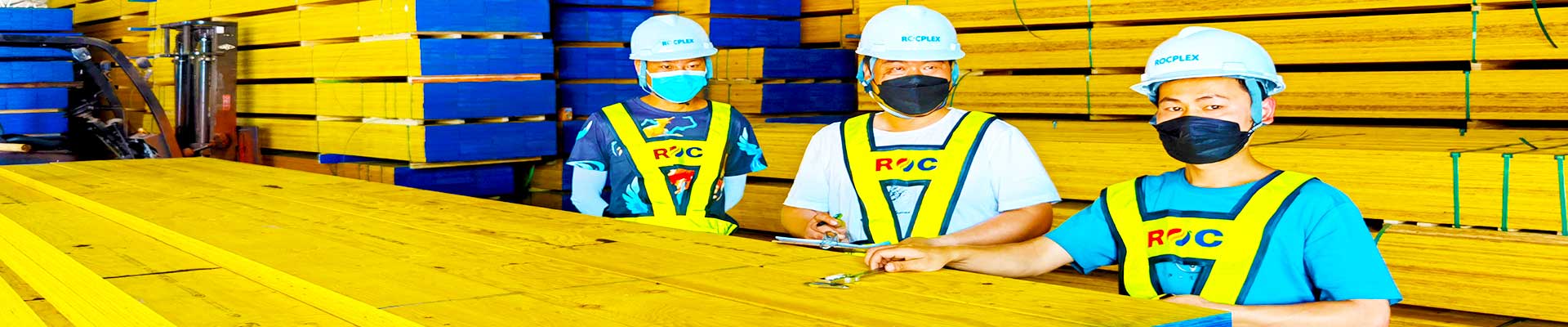
A reliable LVL timber supplier should do more than send a low price. Wholesale buyers need stable sizes, clear grades, safe packing, repeat sections, and a product range that fits real site work. If these points are weak, the order may arrive with mixed marks, unclear bundles, wrong use, or costly delays. SENSO supports buyers who need Laminated Veneer Lumber products for structural timber, formwork, scaffold, and engineered wood supply.
Supplier choice affects more than the first container. A good shipment builds trust, but repeat supply protects the buyer’s market. Before confirming an order, wholesalers should check how the supplier manages product type, size list, grade control, packing, documents, and response time.
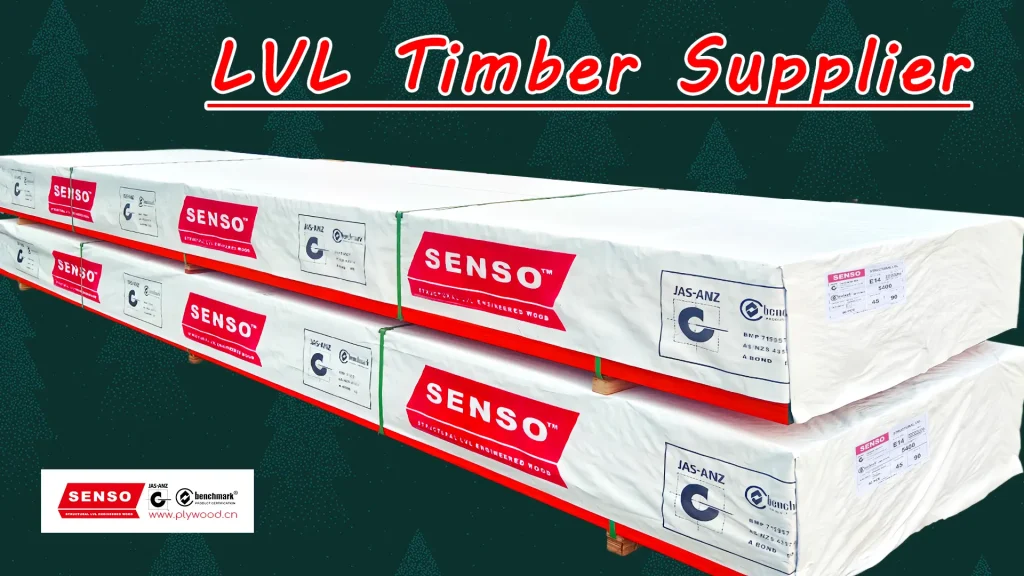
Price Is Only One Part Of Supplier Choice
Many buyers start with a price request. That is normal, but it can hide risk. Two suppliers may quote the same LVL section, yet the real value can differ. One may offer clearer packing, better size control, stronger marking, and steadier repeat supply. The other may only offer a cheaper number.
A wholesale buyer should ask how the product will be used. Frame LVL, Form LVL, scaffold plank, edge form board, and I joist flange material do not face the same conditions. A good supplier should help match the order to the final use.
Buyers comparing engineered wood options can also review the SENSO Laminated Veneer Lumber buying guide before judging supplier offers.
Product Range Shows Supplier Depth
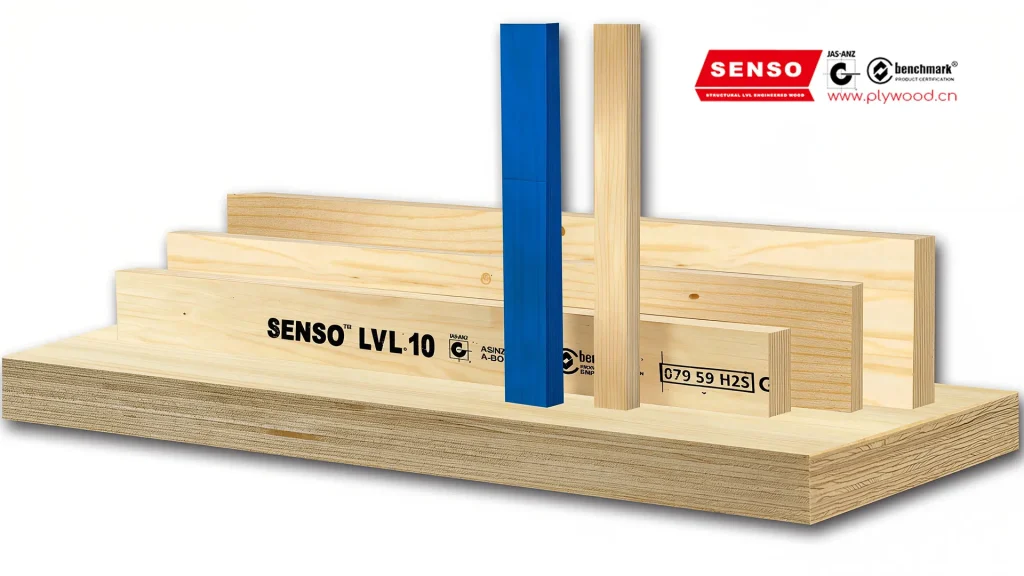
A serious LVL timber supplier should understand more than one product type. Structural beams, concrete formwork members, scaffold planks, furniture LVL, and engineered floor components all belong to related LVL markets. However, each product needs different sizing, packing, quality checks, and buyer support.
SENSO LVL timber covers construction and engineered wood uses where straightness, stable sections, and repeat supply matter. Buyers can also review Form LVL beam options when the order is for concrete work, repeated site handling, and formwork support.
Product range does not mean every buyer needs every item. It means the supplier can speak clearly about use, size, packing, and risk. That knowledge helps buyers avoid ordering a product that looks right but does not fit the job.
Size Grade And Tolerance Need Clear Answers
LVL orders often fail when details stay vague. Buyers should confirm thickness, depth, length, grade, tolerance, veneer species, bonding type, moisture control, and surface condition. If the supplier cannot explain these points, the buyer may face trouble after shipment.
Repeat size control is vital for wholesalers. A distributor may sell the same product to many builders. If the next container has different marks, loose tolerance, or mixed bundle logic, the warehouse team loses time. Therefore, size and grade should be discussed before production starts.
The APA structural composite lumber resource explains LVL as an engineered wood product made from bonded veneers. This structure supports beam use, but buying confidence still depends on supplier control and clear product data.
Packing Can Protect Or Damage The Order
Packing is often treated as a shipping detail, but it is part of product quality. Long LVL members need stable bundles, clear labels, strong wrapping, edge protection, and a loading plan that suits the order mix. Poor packing can damage good timber before it reaches the buyer.
When a container includes mixed sizes, bundle planning becomes more important. Heavy sections should not crush lighter pieces. Labels should stay easy to read. Pallet or bearer support should match product length. These small details affect unloading speed and stock control.
A capable LVL timber supplier should discuss packing before loading, not after a problem appears. This is especially important for wholesale buyers who need clean stock on arrival.
Supplier Checks Before A Wholesale Order
The table below gives buyers a simple way to compare suppliers. It does not replace technical review, but it helps buyers ask better questions before they issue a purchase order.
| Supplier check | Why it matters | Buyer question |
|---|---|---|
| Product range | Shows application knowledge | Can you support structural, formwork, or scaffold use? |
| Size control | Protects repeat sales and site fit | What tolerance can you supply? |
| Grade clarity | Reduces design and approval confusion | Which grade suits this use? |
| Packing plan | Reduces damage and unloading delay | How will mixed sizes be packed? |
| Documents | Supports compliance and buyer records | What product data or certificates are available? |
| Repeat supply | Protects wholesale programs | Can the same section be supplied again? |
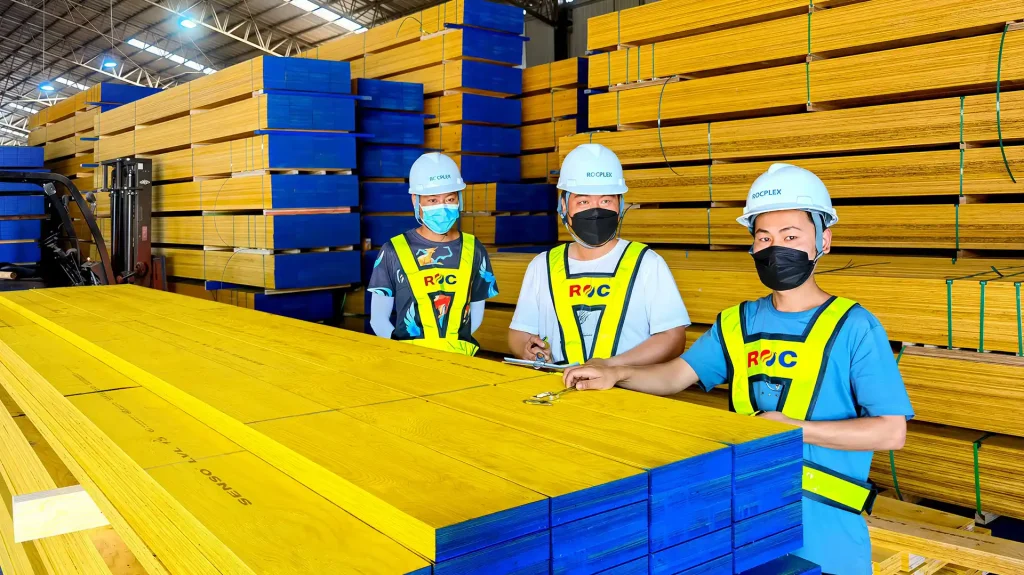
A buyer who asks these questions early can avoid many hidden costs. In contrast, a buyer who checks only price may discover the real cost after the shipment arrives.
Documents And Responsible Sourcing Still Matter
Wholesale buyers often need product records, test support, packing photos, loading details, and forest source documents. These requests should be made before production. Late document requests can affect lead time, cost, and shipment planning.
WoodSolutions lists LVL uses across beams, lintels, purlins, truss chords, and formwork. That wide range shows why product documents should match the final use. A general file may not answer every project question.
If responsible sourcing is required, buyers can refer to the FSC official site for general certification information. However, supplier paperwork should be confirmed before the order is locked.
How SENSO Supports Wholesale LVL Buyers
SENSO works as an LVL timber supplier for buyers who need structural LVL, formwork LVL, scaffold plank, and engineered wood members for repeat orders. The support starts with product choice, not just final price. Buyers can share the use case, size list, grade need, quantity, destination, and packing request before production.
This helps SENSO check whether the order suits frame use, concrete support, scaffold use, or another LVL product path. It also helps align packing, bundle marks, and container loading with buyer expectations.
For project or wholesale review, buyers can send LVL timber order details to SENSO. A clear request makes the quotation more useful and reduces supply risk.
Common Questions About LVL Timber Suppliers
What should I ask an LVL timber supplier?
Ask about product type, size range, grade, tolerance, packing, documents, lead time, and repeat supply. These checks reduce wholesale order risk.
Is the lowest LVL price always best?
No. A low price may hide weak packing, unclear grade, loose tolerance, or poor repeat supply. Buyers should compare total order risk.
Can one supplier support different LVL uses?
Yes, if the supplier has a clear product range and application knowledge. Structural, formwork, scaffold, and furniture uses need different checks.
Why does packing matter for LVL timber?
Packing affects damage risk, unloading speed, stock control, and buyer claims. It should be reviewed before production and loading.
A Better Supplier Choice Before The Next Container
A strong LVL timber supplier choice starts with details that buyers can check. Confirm the product use, section size, grade, tolerance, packing, documents, and repeat supply plan before comparing final prices. When those points are clear, the order becomes easier to control. When they are missing, a low quote can turn into the most expensive container in the yard.
Post time: May-25-2026