
In the world of construction, the materials used to support structural frameworks can determine the success of a project. Wood I beam, also known as timber I beams, are essential for providing support in both residential and commercial construction.
What is a Wood I Beam?
A wood I beam, also known as a timber I beam, features a cross-section shaped like the letter ‘I,’ which allows it to efficiently carry loads while maintaining a lightweight structure. We make these beams from high-quality timber and reinforce them for extra strength. The I-beam shape carries heavy loads efficiently. It does this without using large amounts of material. This design helps reduce weight and waste.
For a practical overview of long-span timber I-beam systems and common building uses, see WoodSolutions’ I-beams reference .
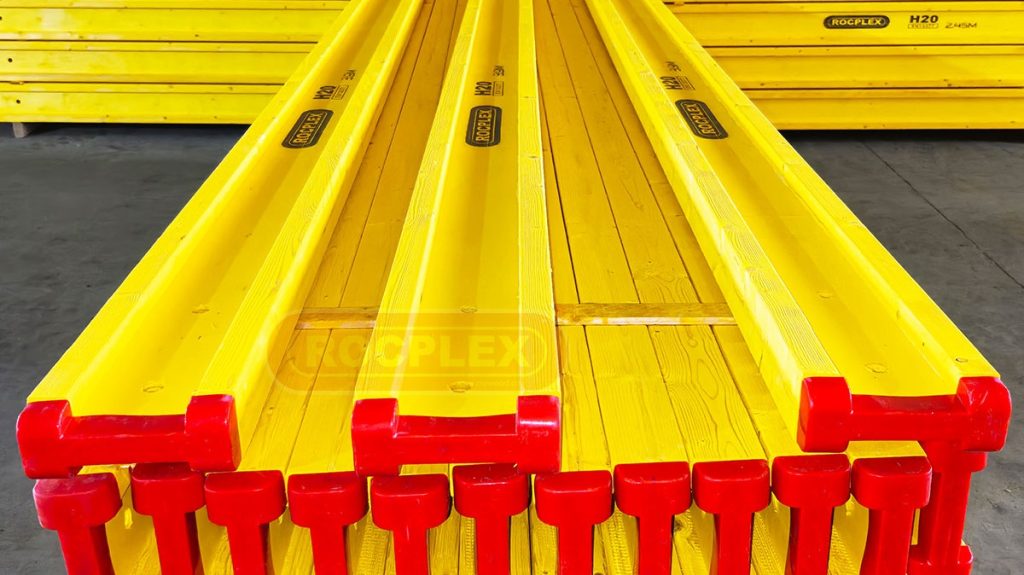
A wood I-beam uses horizontal flanges and a vertical web to form its “I” profile. The flanges handle the bending forces, while the web resists shear forces. This unique structure makes wood I beams an essential component for a wide variety of construction applications.
Why Are Wood I Beam Important in Construction?
Wood I beams are indispensable in construction because they combine strength, durability, and cost-efficiency. Here’s why wood I beams are essential:
1. Strength and Durability: Wood I beams are engineered to support heavy loads, making them ideal for both small-scale and large-scale projects. They offer excellent performance when used in concrete formwork, floor construction, and roof support.
2. Cost-Effectiveness: Compared to traditional steel beams, wood I beams are more affordable while offering comparable strength and stability. This makes them a cost-effective solution for builders and contractors.
3. Lightweight and Easy to Handle: One of the main advantages of wood I beams is their lightweight nature. This makes them easier to transport, handle, and install, which ultimately reduces labor costs and accelerates the construction timeline.
4. Environmental Benefits: Wood is a renewable resource, making wood I beams a more eco-friendly choice compared to other materials. Many of ROCPLEX wood I beams are sourced from sustainable forests, ensuring minimal environmental impact.
Applications of Wood I Beams in Construction
Wood I-beams offer broad versatility in construction and suit applications such as:
– Formwork Systems: Wood I beams provide the necessary support during concrete pouring and curing, ensuring that the formwork remains stable.
– Floor Systems: In flooring systems, wood I-beams provide solid support. They carry the concrete slab safely. They also support other load-bearing elements.
– Roof Trusses: Crews use wood I-beams in roof trusses for long spans and lower weight.
– Walls and Frameworks: Contractors install wood I-beams in commercial wall-framing systems to improve stability and support design loads.
Advantages of Choosing ROCPLEX Wood I Beam
When you choose ROCPLEX for wood I-beams, you get high-quality products that deliver long service life. Here’s why ROCPLEX wood I beams are the best choice for your construction projects:
Uncompromising Quality: ROCPLEX builds wood I-beams from premium-grade materials, so they deliver superior strength and performance.
Customized Solutions: We customize our wood I-beams to match your project requirements, including length and load-bearing capacity.
Sustainability: At ROCPLEX, we are committed to sustainable practices. Our wood I beams are sourced from responsibly managed forests, ensuring a minimal environmental impact.
Cost-Effective: ROCPLEX wood I beams provide excellent value for money. Our competitive pricing and high-quality manufacturing ensure you get the best return on your investment.
How ROCPLEX Wood I Beam Enhance Structural Integrity
The structural integrity of any building depends largely on the strength of its supporting materials. Wood I-beams handle many stresses and keep structures stable. Wood I-beams perform very well under heavy loads. They provide strong and consistent support. This makes them a reliable choice for many building projects.
1. Load Distribution and Strength
The unique design of wood I beams helps distribute weight evenly across the beam. The flanges of the beam handle bending forces, while the web takes on shear forces. This means that wood I beams can handle both vertical and horizontal loads with greater efficiency than traditional timber beams. As a result, they are ideal for projects that require long spans, such as bridges, floors, and roofs.
Whether used in concrete formwork or as structural supports in a frame, wood I beams ensure that the load is spread evenly, reducing the risk of structural failure. This makes wood I beams an essential component in ensuring the safety and stability of a building.
For performance-rated engineered joists and typical span guidance, APA provides a useful reference in Performance Rated I-Joists (PRI) guidance .
2. Flexibility in Design
One of the key advantages of using wood I beams is their flexibility in design. Architects and engineers can use these beams to create open, spacious designs without the need for excessive support columns. This is especially important in commercial spaces, warehouses, and large residential buildings where maximizing floor space is a priority.
For Australian compliance context around timber framing, see the NCC requirements in NCC Part 3.4.3 Timber framing .
Additionally, wood I beams are adaptable to a variety of design styles and structural requirements. Suppliers offer multiple length, width, and load-capacity options to increase design flexibility. This flexibility helps builders meet the unique demands of each project.
3. Resistance to Bending and Warping
Engineers design wood I-beams to resist bending, twisting, and warping. These beams combine solid wood with reinforced steel. This structure helps them keep their strength and shape over time. They remain stable even under heavy weight or pressure. Traditional timber beams can change with humidity or temperature. In contrast, wood I-beams stay consistent. They maintain structural integrity across many site conditions.
This makes wood I-beams a strong choice in areas with changing weather. They resist common problems seen in untreated wood. For example, they help reduce warping and cracking.
Wood I Beam and Sustainability
In today’s construction world, sustainability is a critical factor in material selection. Builders cannot ignore the environmental impact of construction materials. As a result, many teams now prioritize eco-friendly options. This shift matters to both builders and architects.
When buyers request verified sourcing, FSC explains chain-of-custody certification here: FSC chain-of-custody certification .
1. Renewable Resource
Wood is one of the most renewable building materials available. As a naturally sourced material, wood I beams can be produced sustainably, with minimal impact on the environment. ROCPLEX sources wood for its I-beams from responsibly managed forests. Many supplies carry certifications such as FSC (Forest Stewardship Council). This approach supports responsible harvesting practices. It also helps protect biodiversity. In addition, it promotes long-term forest regeneration.
2. Carbon Footprint Reduction
Wood also plays a significant role in reducing the carbon footprint of construction projects. Trees absorb carbon dioxide as they grow. When you use wood in construction, the wood can store that carbon for years. This can help reduce a project’s overall footprint. Wood I-beams can be a greener option than steel or concrete. Steel and concrete typically need more energy to produce.
Wood I-beams can also support green building goals. In some projects, they may help contribute to certifications such as LEED. This makes them a practical option for eco-conscious builders and architects.
Cost Efficiency of Wood I Beam
Cost is always a significant consideration in construction. Wood I beams provide an affordable yet durable solution that can fit within a tight budget. Wood I-beams often cost less than steel or concrete beams. They are usually cheaper to manufacture. They also cost less to transport and install. This makes them a cost-effective option for residential and commercial projects.
1. Reduced Material Costs
Wood I-beams carry heavy loads with less material than traditional beams. This design can lower costs for builders. Using less material also helps reduce overall project spending. At the same time, the beams still perform well under pressure. They provide reliable strength where it matters.
2. Faster Installation
The lightweight nature of wood I beams means that they are easier to handle and install. Workers can move and position the beams quickly, which speeds up the construction process. This saves labor time on site. As a result, overall project costs drop further. That is why wood I-beams appeal to budget-conscious builders.
3. Long-Term Savings
Wood I-beams are durable, so they often last longer. A longer service life can reduce maintenance needs. It can also lower replacement costs over time. These beams handle wear and tear well. They also resist bending and warping. In addition, they perform reliably under heavy loads. For many projects, that makes them a smart investment.
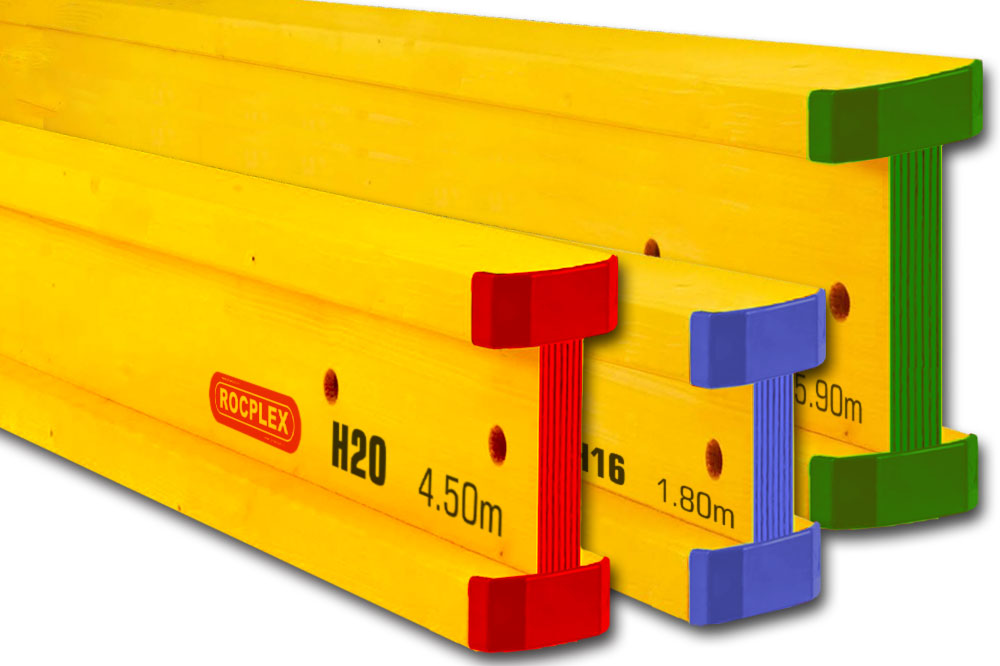
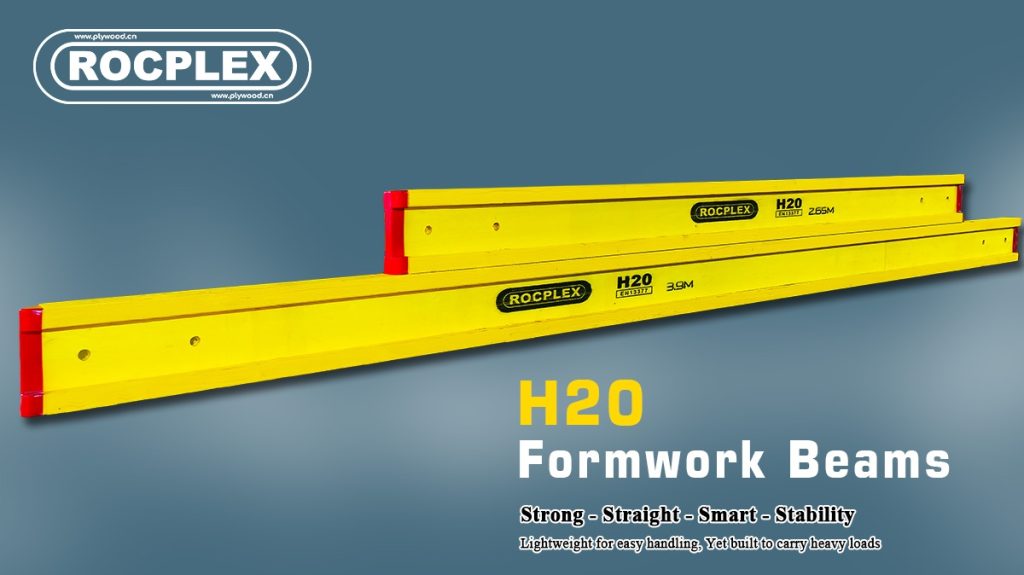
H20 Beam Formwork Timber
ROCPLEX H20 Beam epitomizes excellence in modern construction. With its robust fir construction and innovative design, this beam is ideal for formwork and slabs. Its adaptability across various construction environments and its user-friendly nature make it a preferred choice for builders.
Post time: Sep-08-2025