When buyers ask what is LVL beam, the short answer is clear. An LVL beam is an engineered wood member made from thin wood veneers bonded into a long structural section. Builders use it for beams, headers, rafters, purlins, formwork members, scaffold planks, and other jobs that need stable size and reliable strength. For SENSO buyers, the next question is just as important. Which LVL beam fits the real project?
A good LVL order starts with use, size, grade, packing, and repeat supply needs. If those details stay unclear, even a strong beam can become wrong stock. Therefore, builders, wholesalers, and formwork buyers should treat LVL as a project product, not only a timber item.
What Is LVL Beam In Construction
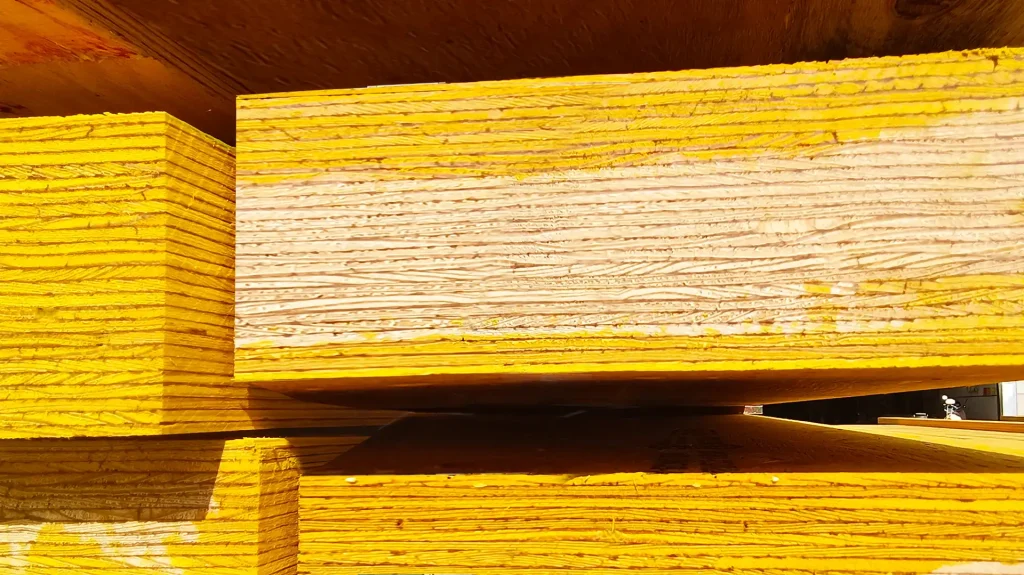
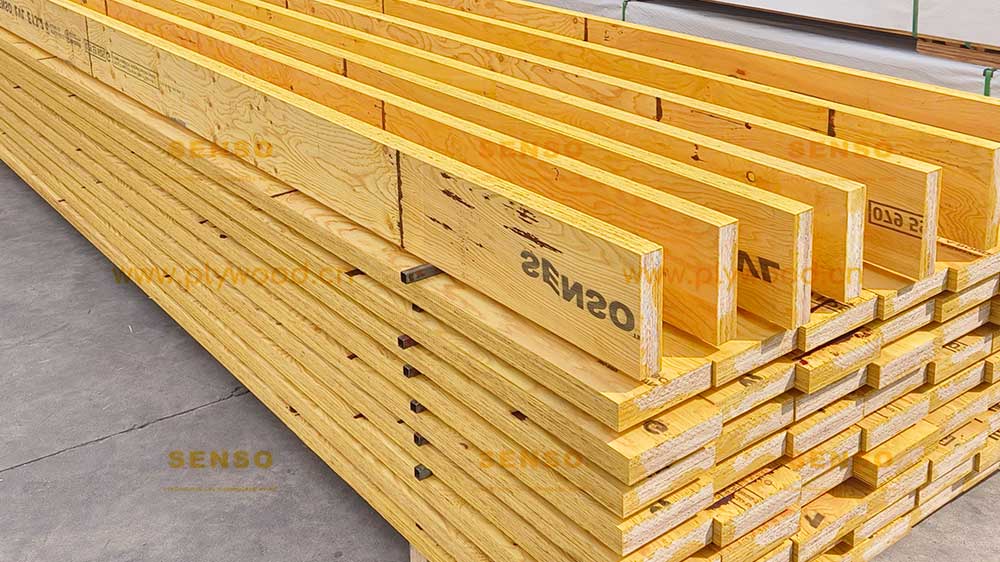
A clear answer to what is LVL beam starts with the full name. LVL means Laminated Veneer Lumber. Producers make LVL by drying, grading, gluing, aligning, and pressing thin veneers into long billets. After pressing, they cut the billets into beams, planks, flanges, or other structural sections.
Most veneers run along the member length. Because of this layout, LVL works well as a long beam product. It can offer straightness, controlled sizing, and more predictable performance than many solid timber sections. The APA structural composite lumber resource explains LVL as part of the structural composite lumber family.
Buyers who want deeper product guidance can also read the SENSO Laminated Veneer Lumber buying guide before comparing sizes and grades.
Why Veneer Direction Matters
Veneer direction gives LVL much of its value. In plywood, veneers often cross each other to build sheet strength. In LVL, most veneers run in one long direction. As a result, the product suits beam strength along its length.
This structure helps explain why a buyer should not confuse LVL with plywood. Both use veneers, yet they solve different jobs. LVL serves as a long structural member. Plywood serves as a flat panel. Therefore, the buyer should first decide whether the project needs a beam or a sheet.
SENSO LVL timber supports buyers who need engineered wood members for framing, concrete work, scaffold stock, and structural timber supply.
Where Buyers Use LVL Beams
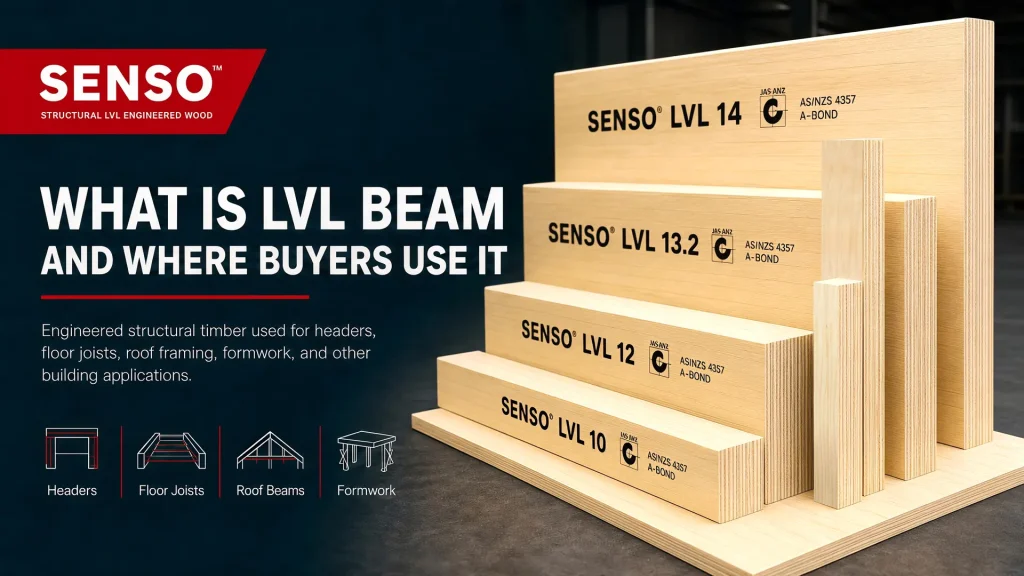
LVL beams appear in many parts of construction. Common uses include wall headers, roof beams, floor beams, lintels, rafters, purlins, truss chords, I joist flanges, scaffold planks, and formwork bearers. The WoodSolutions LVL resource also lists LVL uses across beams, lintels, purlins, truss chords, and formwork.
For concrete sites, SENSO Form LVL beam options help buyers review straightness, handling, support, and repeat supply. For slab edge work, Edge Form LVL may suit buyers who need clean sizing and stable edge boards.
So, what is LVL beam in practical buying terms? It is a long engineered timber section that should match the load path, site use, handling method, and supply plan.
How LVL Compares With Other Materials
Many buyers compare LVL with solid timber, glulam, plywood, and steel before they order. Each material has a place. However, the best option depends on the project role, finish need, load, span, cost plan, lead time, and stock flow.
| Material | Main form | Common use | Buyer check |
|---|---|---|---|
| LVL beam | Long engineered wood member | Headers, beams, formwork, scaffold planks, I joist flanges | Check size, grade, span, packing, and repeat supply |
| Solid timber | Natural sawn wood | Basic framing and simple timber work | Check knots, movement, grade, and moisture |
| Glulam | Bonded timber laminations | Large beams, columns, and visible structures | Check appearance class, size, design, and lead time |
| Plywood | Flat veneer panel | Sheathing, flooring, formwork faces, panels | Check thickness, face grade, glue, core, and sheet size |
| Steel beam | Rolled or fabricated steel member | High load structural frames | Check design, connection, corrosion, and handling |
The table shows why no single material wins every job. LVL often fits buyers who need straight, repeatable timber sections. In contrast, plywood fits panel work, while glulam may suit visible timber structures.
Order Details That Matter Before Price
Buyers often ask for price too early. A useful LVL quote needs more than size and quantity. It should include final use, grade, thickness, depth, length, tolerance, packing, marking, destination, and document needs. Without these details, two quotes may look similar while real supply risk differs.
For example, a wall header, formwork bearer, scaffold plank, and I joist flange all belong to the LVL family. Even so, they face different loads, handling, safety, and packing needs. Therefore, SENSO asks buyers to confirm the application before production starts.
If buyers need responsible sourcing support, they should raise that early. The FSC official site gives general certification information, while shipment paperwork should be checked with the supplier before production.
Common Mistakes When Buyers Choose LVL
The first mistake is asking what is LVL beam but stopping at the definition. A definition helps, yet the buying risk sits in the details. The second mistake is choosing only by price. A low quote may hide weak packing, unclear grade, or poor repeat supply.
The third mistake is copying a size from another project. Size should match span, load, support, and local design rules. A beam that fits one site may not suit another. For this reason, buyers should share the real job before asking for a final offer.
Another common mistake is ignoring storage and transport. Long LVL members need stable bundles, clear labels, and a loading plan that protects edges and shape.
How SENSO Supports LVL Beam Buyers
SENSO supports LVL beam buyers with product selection, size review, packing discussion, and export supply planning. This helps wholesalers, builders, formwork companies, scaffold suppliers, and engineered timber buyers reduce order risk before the next container leaves the factory.
A clear request should include product use, size list, grade need, quantity, destination, packing request, and any document needs. With those details, SENSO can help review whether the order suits structural LVL, Form LVL, Edge Form LVL, scaffold plank, or another engineered timber option.
Buyers can send LVL beam order details to SENSO for a clearer quotation and better supply planning.
Common Questions About LVL Beams
What is LVL beam used for?
An LVL beam is used for headers, beams, rafters, purlins, formwork members, scaffold planks, and engineered timber systems.
Is LVL stronger than solid timber?
LVL can offer more stable and predictable performance than many solid timber sections. Final strength depends on grade, size, and design approval.
Is LVL the same as plywood?
No. LVL is a long structural member. Plywood is a flat panel. Both use veneers, but they serve different jobs.
What should I send for an LVL quote?
Send the use, size, grade, quantity, destination, packing request, and document needs. This helps the supplier quote the right product.
A Clearer Answer Before The Next Order
The best answer to what is LVL beam goes beyond a product definition. It is an engineered wood member made for long structural use, but its value depends on the right size, grade, application, packing, and supply plan. Before comparing prices, buyers should define the real job first. That step helps SENSO match LVL products to construction use, wholesale stock, and safer export orders.
LVL Timber
In the realm of commercial construction, structural integrity is paramount. SENSO Laminated Veneer Lumber (LVL) beams, recognized for their superior strength and durability, play a significant role in building robust structures that withstand the test of time.
Unveiling SENSO LVL Timber
SENSO LVL Timber are crafted with meticulous precision, harnessing the strength of laminated wood. These beams, renowned for their structural features like cross-orientation, superior strength, stiffness, and dimensional stability, redefine construction standards.
SENSO LVL Advantages in Commercial Construction
ROCPLY LVL Beam bring multiple benefits to commercial construction:
- Superior Strength and Stability: SENSO LVL Timber ensure buildings are robust, long-lasting, and resilient.
- Flexibility and Customization: Our LVL Beams can be tailored to suit diverse construction requirements.
- Cost-Effectiveness: SENSO strikes the perfect balance between quality and affordability.
- Sustainability: We uphold green practices, ensuring our products are environmentally friendly.
- Moisture and Fire Resistance: SENSO Structural LVL are designed to resist moisture and fire, enhancing safety.
- Variety and Aesthetic Appeal: We offer a range of sizes and decorative options, catering to various aesthetic needs.
Adherence to Industry Standards
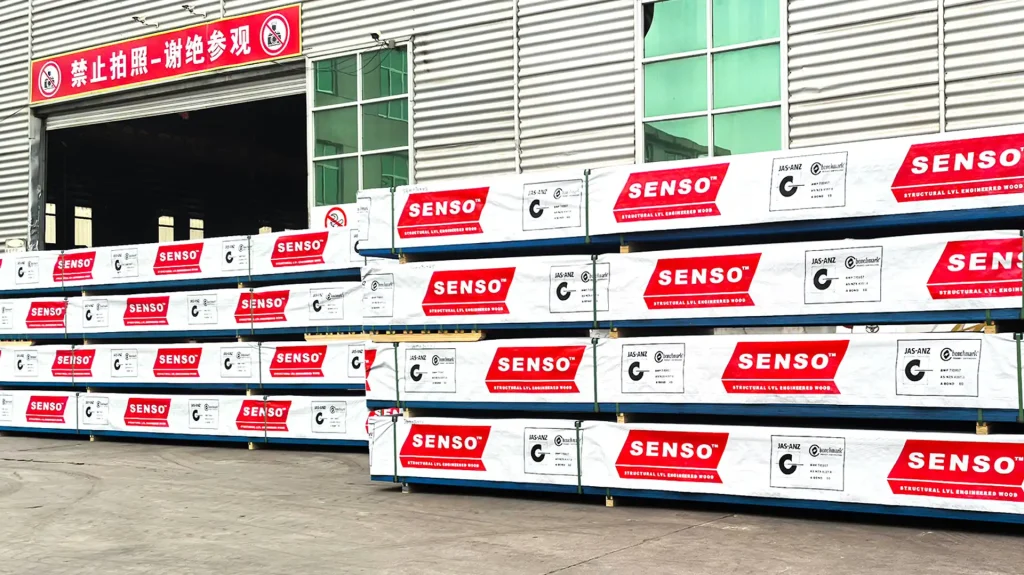
SENSO commitment to quality shines through in our adherence to strict JAS-ANZ standards. Our laminated wood LVL surpass these standards, reinforcing our commitment to delivering high-performance and reliable products.
LVL Timber: Enhancing Structural Integrity
SENSO LVL Beams are vital to maintaining a building’s structural integrity. With outstanding load-bearing capacity, shear strength, dimensional stability, and resistance to humidity, our LVL Beam uphold the structural rigidity of buildings, meeting diverse architectural demands.
Diverse Industries and Applications
SENSO LVL Timber are embraced across numerous industries, including commercial construction, interior design, furniture manufacturing, and many more. The superior quality and versatility of our products make them the first choice for various applications.
Choose SENSO LVL Timber
ROCPLY LVL Beam are a testament to our unwavering commitment to quality, performance, and sustainability. They enhance the structural integrity of commercial buildings while catering to diverse architectural needs. Discover more about SENSO range of LVL timber products, connect with our sales team, or make your purchase today – we’re ready to redefine your construction experience.
Post time: Jun-22-2026