
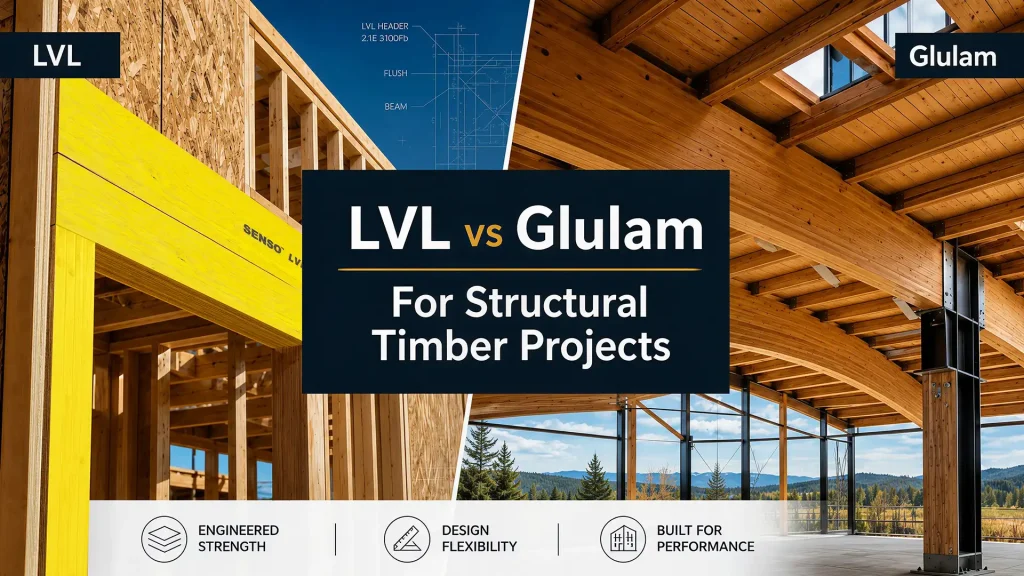
LVL vs glulam is not a simple question of which engineered timber is stronger. The better question is where the beam will be used, how it will be seen, how it will be ordered, and what risk the buyer wants to reduce. A hidden header, a long roof beam, a visible feature member, and a wholesale stock program may all lead to different answers.
For builders, timber distributors, and structural buyers, the wrong comparison can cause poor stock choices. A beam may be technically suitable, yet still wrong for appearance, handling, lead time, packing, or repeat supply. SENSO helps buyers review Laminated Veneer Lumber choices where stable sections, straight members, and practical export supply matter.
The Main Difference Starts Inside The Beam
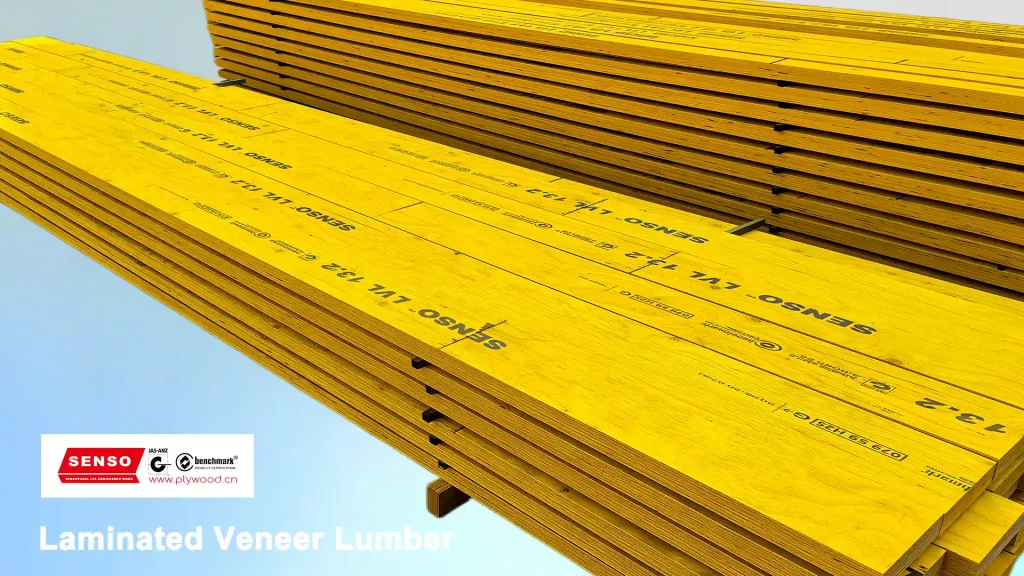
LVL stands for Laminated Veneer Lumber. It is made from thin veneers that are bonded into long billets. Most veneers run along the member length, which helps LVL serve as a strong linear member for beams, headers, rafters, purlins, scaffold planks, and I joist flanges.
Glulam, or glued laminated timber, is made from layers of timber laminations bonded together. These laminations also run along the beam length, yet the product is built from lumber pieces rather than thin veneer sheets. The APA glulam resource describes glulam as a stress rated engineered wood beam made with durable, moisture resistant adhesives.
That structure difference affects how buyers compare the two products. LVL often suits straight, repeatable, hidden, or stock based structural members. Glulam often becomes attractive when the member is large, exposed, curved, or chosen for visual value.
LVL vs Glulam In Hidden Structural Work
Hidden structural work often values stable size, straightness, supply speed, and easy stock planning. In many framing and building supply situations, LVL beams can be a practical choice because they are made in controlled sections and can be ordered for common framing needs.
Headers above wall openings, floor beams, roof members, and engineered timber parts often need repeat dimensions more than visual character. For these jobs, buyers should check LVL size, grade, span need, packing, and whether the supplier can repeat the same section across future shipments.
Buyers comparing hidden structural members can review the SENSO Laminated Veneer Lumber buying guide before comparing engineered wood beams on price alone.
Where Glulam Often Has The Visual Advantage
Glulam often works well where the beam is part of the final design. Exposed roof beams, halls, feature structures, and architectural timber frames may need a member that carries load and also looks suitable for display. In those cases, appearance class and finish can matter as much as section size.
Glulam can also be produced for special shapes, including curved forms. That makes it useful in some architectural projects where straight LVL stock would not match the design intent. However, buyers should expect different lead time, specification, finish, and handling discussions.
The APA glulam information notes that glulam can range from straight beams to complex curved members and can be supplied in different appearance classifications. That is one reason glulam often appears in visible structural timber design.
Size Stock And Supply Logic Matter
Wholesale buyers often ask about LVL vs glulam because both products can serve beam roles. Yet stocking logic can be very different. LVL may suit common sections, repeat orders, and projects where straight engineered members are needed in volume. Glulam may suit selected beams, larger exposed members, or project specific design work.
For a distributor, one slow moving glulam size can tie up stock value. For a builder, the wrong LVL grade or section can delay approval. Therefore, the buying decision should include both technical use and sales flow. Price per metre is only one part of the real cost.
SENSO LVL timber supports buyers who need structural timber sections, formwork use, frame work, and engineered wood beam supply with practical order planning.
Side By Side Buyer Comparison
The table below gives a buyer view. It does not replace engineering design, but it helps buyers ask better questions before choosing material, section, packing, and supply route.
| Buyer point | LVL | Glulam |
|---|---|---|
| Main structure | Thin bonded veneers with grain mainly along the member length | Bonded timber laminations with grain along the member length |
| Common use | Headers, beams, rafters, purlins, scaffold planks, I joist flanges | Large beams, columns, exposed members, curved or feature structures |
| Appearance need | Often hidden or utility focused | Often suitable for visible timber design |
| Stock planning | Good for repeat sections and wholesale programs | Often project specific or finish driven |
| Buyer risk | Wrong grade, size, packing, or repeat supply plan | Wrong appearance class, finish, lead time, or design detail |
This comparison shows why there is no single winner. LVL vs glulam depends on the project role. LVL may fit repeat structural supply, while glulam may suit exposed design value and special timber forms.
Common Mistakes When Buyers Compare Prices
The first mistake is comparing a hidden LVL beam with an exposed glulam beam as if they serve the same buyer need. The second mistake is ignoring lead time. A product that arrives too late can cost more than a higher priced product that fits the schedule.
The third mistake is leaving packing out of the discussion. Long timber members need clear marking, stable bundles, edge protection, and a loading plan. If the order includes mixed sections, the supplier should explain how unloading and stock control will work.
For forest source or certification needs, buyers should confirm documents before production. The FSC official site gives general information on responsible forest certification, while project paperwork should be checked with the supplier before the order is locked.
How SENSO Supports LVL Buyers In This Comparison
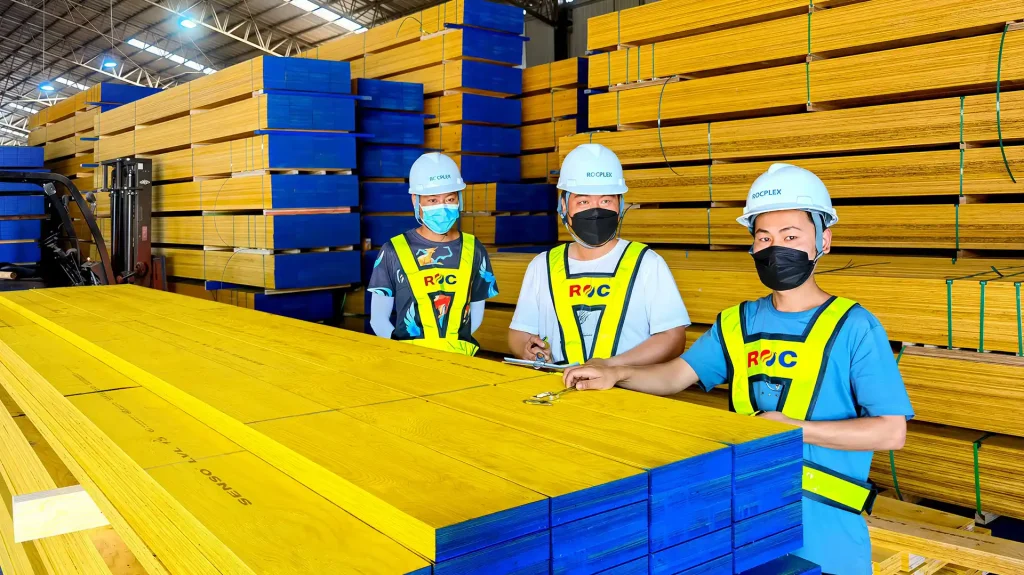
SENSO focuses on Laminated Veneer Lumber and structural LVL supply for buyers who need stable sections, repeat size control, export packing, and project based order support. This is useful when buyers compare engineered timber options and decide that LVL is the better fit for hidden structural work, formwork use, or wholesale stock.
When the buyer sends the application, size list, grade need, quantity, destination, and packing request, SENSO can help check whether an LVL product suits the job. If the project needs a visible feature beam, the buyer should raise appearance and design needs early.
Buyers can send engineered timber order details to SENSO before confirming the next container or project supply.
Common Questions About LVL And Glulam
Which is better in LVL vs glulam?
Neither is always better. LVL often suits repeat structural sections. Glulam often suits large, exposed, or architectural timber members.
Is LVL the same as glulam?
No. LVL uses thin bonded veneers. Glulam uses bonded timber laminations. Both are engineered wood products, but they serve different project needs.
Can LVL replace glulam?
Sometimes, but only when the design, appearance, span, load, and project approval allow it. Buyers should not replace one product by name alone.
When should buyers choose glulam instead of LVL?
Glulam is often preferred for exposed beams, large visible structures, curved forms, or projects where appearance class matters.
A Practical Choice Before The Beam Order
A smart LVL vs glulam decision starts with the project role. Use LVL where straight, stable, repeatable structural members and wholesale supply control matter. Consider glulam where the beam is large, visible, curved, or chosen for architectural finish. Before comparing final prices, check load, span, appearance, grade, packing, lead time, and repeat supply. That process gives buyers a clearer path than asking which product is simply stronger.
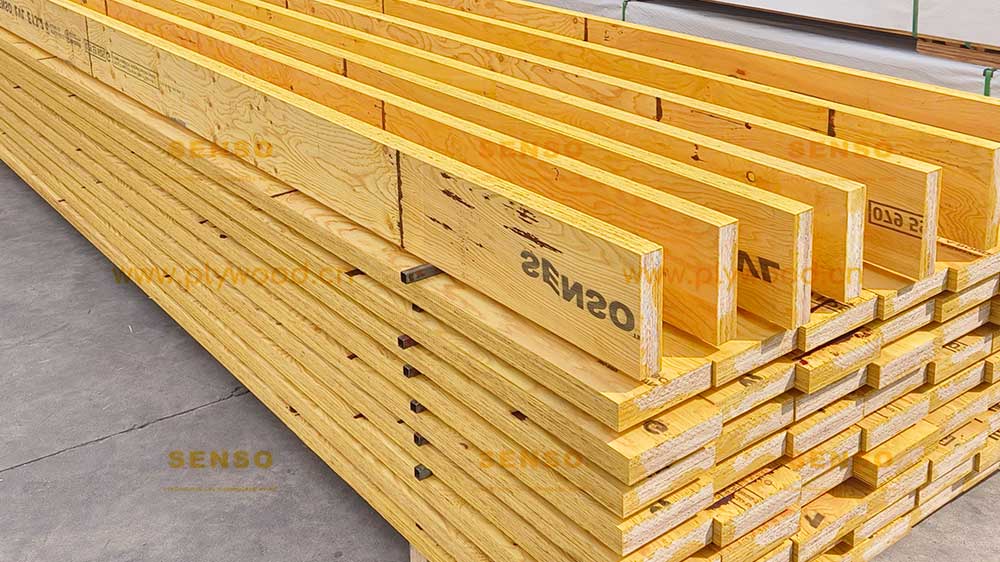
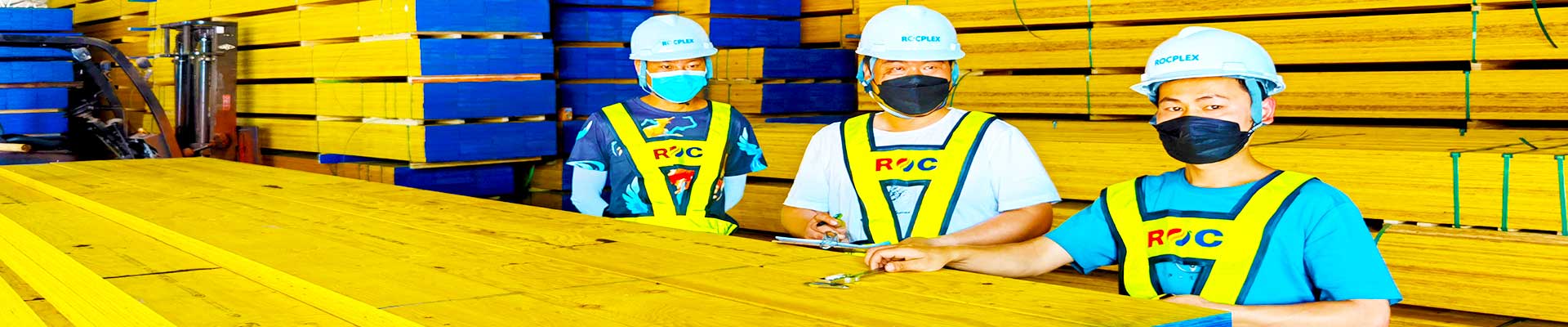
LVL Timber
In the realm of commercial construction, structural integrity is paramount. SENSO Laminated Veneer Lumber (LVL) beams, recognized for their superior strength and durability, play a significant role in building robust structures that withstand the test of time.
Unveiling SENSO LVL Timber
SENSO LVL Timber are crafted with meticulous precision, harnessing the strength of laminated wood. These beams, renowned for their structural features like cross-orientation, superior strength, stiffness, and dimensional stability, redefine construction standards.
SENSO LVL Advantages in Commercial Construction
ROCPLY LVL Beam bring multiple benefits to commercial construction:
- Superior Strength and Stability: SENSO LVL Timber ensure buildings are robust, long-lasting, and resilient.
- Flexibility and Customization: Our LVL Beams can be tailored to suit diverse construction requirements.
- Cost-Effectiveness: SENSO strikes the perfect balance between quality and affordability.
- Sustainability: We uphold green practices, ensuring our products are environmentally friendly.
- Moisture and Fire Resistance: SENSO Structural LVL are designed to resist moisture and fire, enhancing safety.
- Variety and Aesthetic Appeal: We offer a range of sizes and decorative options, catering to various aesthetic needs.
Adherence to Industry Standards
SENSO commitment to quality shines through in our adherence to strict JAS-ANZ standards. Our laminated wood LVL surpass these standards, reinforcing our commitment to delivering high-performance and reliable products.
LVL Timber: Enhancing Structural Integrity
SENSO LVL Beams are vital to maintaining a building’s structural integrity. With outstanding load-bearing capacity, shear strength, dimensional stability, and resistance to humidity, our LVL Beam uphold the structural rigidity of buildings, meeting diverse architectural demands.
Diverse Industries and Applications
SENSO LVL Timber are embraced across numerous industries, including commercial construction, interior design, furniture manufacturing, and many more. The superior quality and versatility of our products make them the first choice for various applications.
Choose SENSO LVL Timber
ROCPLY LVL Beam are a testament to our unwavering commitment to quality, performance, and sustainability. They enhance the structural integrity of commercial buildings while catering to diverse architectural needs. Discover more about SENSO range of LVL timber products, connect with our sales team, or make your purchase today – we’re ready to redefine your construction experience.
Post time: Jun-08-2026