
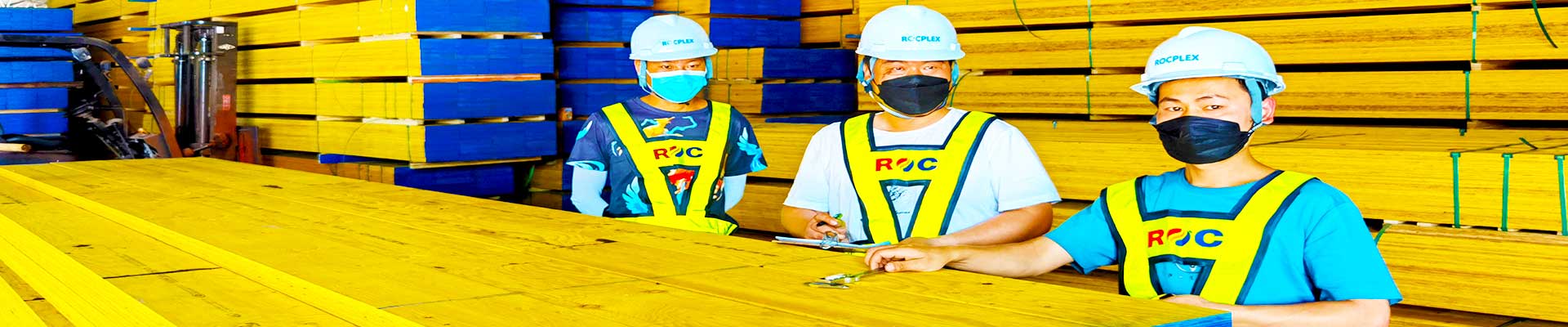
Choose an LVL header by checking the full load path: product grade, beam size, ply joints, end bearing, supports and bracing. Opening width alone cannot set the size. First, match the beam to the loads and current product data. Then confirm the support and fixing details. Also state whether the quote covers timber only or includes fixings and ply joining.
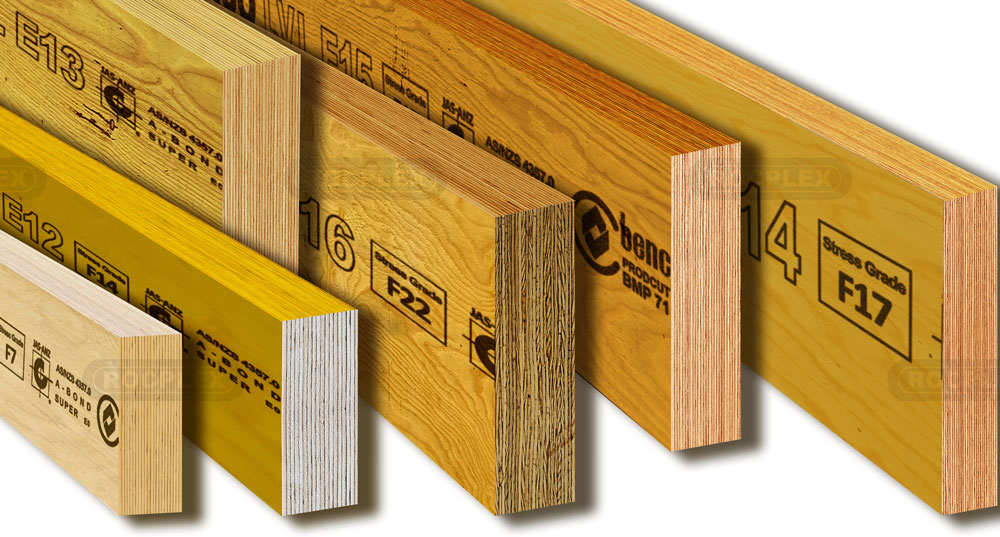
What an LVL header carries over an opening
An LVL header is a structural beam above a door, window or other opening. It transfers its assigned loads to supports at each end. Depending on the layout, those loads may come from a roof, floor and wall above.
LVL means laminated veneer lumber. Thin wood veneers are bonded with the grain mainly along the member. A laminated veneer lumber header uses the stated properties of that exact product; there is no single load rating for all LVL.
First, define which members bear on the header. For example, a truss or post may apply a point load away from the centre. Also confirm the wall’s role in the bracing system. A gravity beam check does not approve a change to wall bracing.
Trace the loads below the header
Ask the designer for the left and right end reactions. Then trace them through the studs or posts below, floor system and foundations. For an altered wall, the existing supports may need a new check.
Next, confirm bearing length, contact width, support material and any hanger. These must fit the actual end loads. A deeper beam does not fix a post that is too small or a missing support.
Also record the beam height within the wall. A header below the top plate may need its own restraint detail. Therefore, moving the beam up or down needs review; nearby framing does not brace it by default.
Check movement as well as strength. For example, long-term sag can affect a wall finish or gaps around doors and windows. For work on an existing wall, get the temporary support plan before you remove framing.
Specify the joints in a built-up LVL header
A built-up header uses full LVL members side by side. Here, ply means one whole member, not one thin veneer layer inside it. Therefore, the design must explain how the plies share load and receive support.
For example, load applied to one face must reach the other plies through a checked load-transfer detail. APA’s structural composite lumber guidance directs users to the producer’s technical literature for built-up member fastening.
Specify the fastener type, size, rows, spacing and edge distances. Also state which faces receive fixings and how the beam is braced. Site glue cannot replace the stated load-transfer detail.
For example, compare these two illustrative quotes. Both timber lines use two nominal 45 mm plies placed side by side without a gap. Their nominal total width is 90 mm, because 45 mm + 45 mm = 90 mm. Assume the same named grade, depth and length.
| Check | Illustrative quote A | Illustrative quote B |
|---|---|---|
| Timber line | Two 45 mm plies; same grade, depth and length | Two 45 mm plies; same grade, depth and length |
| Nominal total width | 90 mm | 90 mm |
| Ply-fastening detail | Current job detail cited | Not stated |
| End supports | Both defined on drawings | Not defined |
| Supply scope | Timber, fixings and ply joining each listed | Timber only; other items unclear |
| Buyer action | Verify listed items and job details | Clarify scope before price review |
Data type: an original purchasing illustration. The chosen dimensions show width addition only, with no test result, load rating or approved section.
The timber sizes match, yet the scope does not. Therefore, request the missing records to compare prices. More timber does not remove the need for a joint design.
Record the LVL header design on the beam schedule
Once the design is set, assign each opening a member mark. Then use that mark on the drawing, beam schedule, quote and pack records. This helps prevent a beam intended for one opening from being supplied for another.
| Field to record | Unit or record | Why it matters |
|---|---|---|
| Product and grade | Exact code and current data sheet | Match to the designer’s stated values |
| Section and plies | Width × depth in mm; ply count | Member size, load axis and total width |
| Span and order length | mm or m; named end points | Design span versus cut length |
| Loads and end reactions | kN/m or kN; load cases and point-load positions | Beam demand and left/right support demand |
| Strength and stiffness | MPa; E in MPa or GPa | Stated property type, basis and test direction |
| Bearing and supports | Contact sizes in mm; support detail | Transfer into studs, posts or hangers |
| Ply joints and restraint | Fixing schedule and bracing detail | Load transfer and beam stability |
| Exposure and treatment | Use limits and treatment specification | Fit for the stated site use |
Fields to request, not SENSO product ratings. Ask for the current records for the exact product being quoted.
Keep the data types clear. Product specs define the member. Characteristic values and design values need their stated basis and the relevant design factors. Standards set rules or methods. However, one test result describes the tested samples and conditions; it does not establish a rating for every header.
Compare timber and steel header options
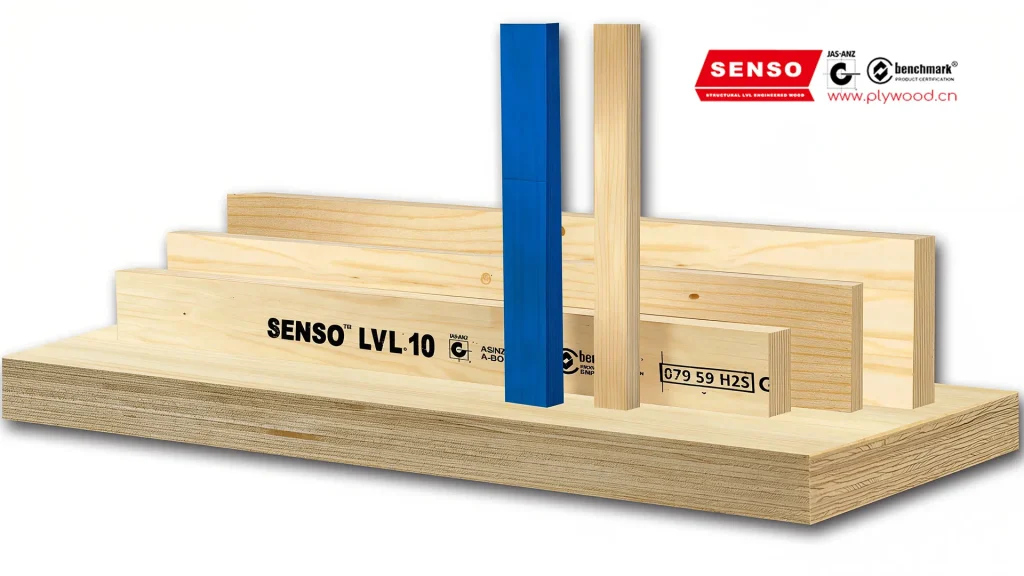
An LVL header beam, a sawn timber beam and a steel section can be options for an opening with a checked job design. However, a change of material may alter supports, fixings and site details.
| Option | Evidence to compare | Details that may change |
|---|---|---|
| Structural LVL | Named product, grade, strength and stiffness data | Ply joints, bearing, restraint and exposure limits |
| Sawn timber | Species, structural grade, size and moisture basis | Available section, movement and support detail |
| Steel | Steel grade, section properties and design record | End plates, fixings, fire, corrosion and thermal details |
Compare options for the same opening, loads and service limits. These are review fields, not claims of equal load ratings or cost.
First, keep the load case and movement limits the same. Next, compare the full supply scope and site work. For example, a lower beam price may exclude fixings or support work needed by that option.
Keep structural framing and formwork products separate
For header quotes, first review our SENSO Frame LVL range. Then match the exact product and grade to the design, and confirm current supply, treatment and source records.
Our Form LVL and Edge Form LVL pages cover formwork products. Do not treat those product names as proof that they can serve as permanent headers. Instead, request written proof for the exact member and its use.
Also check moisture limits. Bonding or treatment alone does not prove that a product allows long-term wet use. Then follow its rules for storage, holes, notches and cuts.
Verify LVL header product and code evidence
For Australian projects, AS/NZS 4357.0:2022 covers LVL manufacture, structural characterisation and verification. AS 1720.1:2010 gives timber design methods. Also confirm the required edition and amendments, plus the project’s load rules.
A product standard does not approve a given opening. Likewise, a certificate from one market may not satisfy the local code in another market. Ask the designer and supplier to state the proof needed before import or a product change.
For supplier review, check:
- Certificate or assessment: issuer, current status, product, grade and named production site.
- Property sheet: issue date, units, test direction and basis of the stated values.
- Test records: method, sample plan and moisture or other test conditions.
- Traceability: beam marks and pack codes linked to the supplied goods.
- Technical details: allowed uses, ply fixings, restraint and cut rules.
Also confirm who will supply the fixings and who will join the plies. For example, clear roles help prevent a joint from being left out of the quote.
Send a header enquiry with the full scope
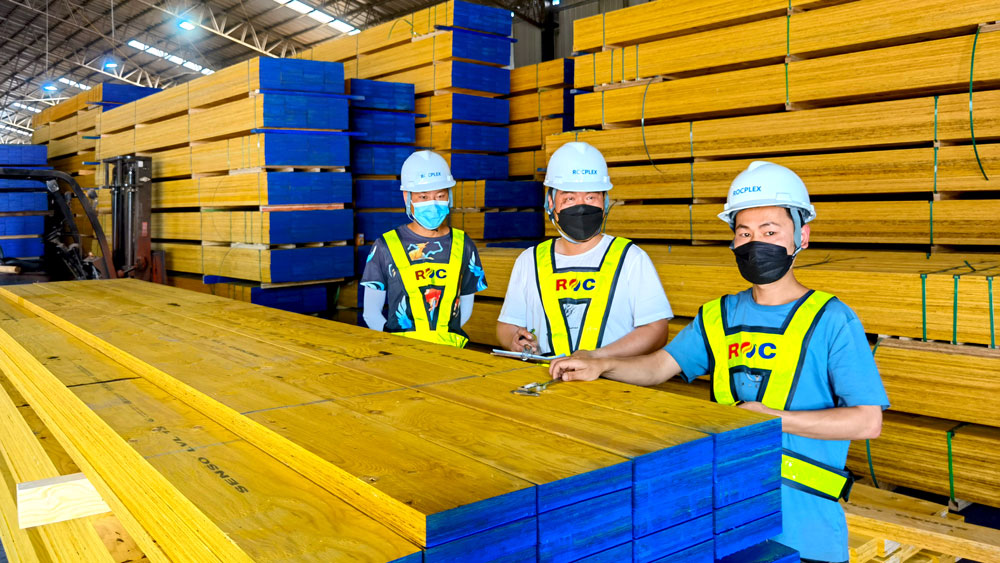
For a SENSO quote, send the opening schedule, current drawings and project location. Also include:
- Member marks, beam roles, span basis and cut lengths.
- Roof, floor and wall loads, with point-load positions and both end reactions.
- Exact product, grade, width × depth and ply count.
- Support, bearing, fixing and restraint details.
- Exposure, treatment and any needed fire or wall bracing details.
- Quantities, delivery address, required delivery date and supply scope.
Finally, flag any change to the approved beam list. The designer must accept a product change before supply. Keep that record with the quote and order.
LVL header questions from buyers
Is an LVL header the same as a lintel?
In timber framing, the terms often refer to a beam over an opening. However, use the exact member role on the drawings; other lintel systems may need their own support details.
Can I choose a header from opening width alone?
No. Also check the loads, product, full section, supports, ply joints, restraint and movement limits. For example, equal opening widths can have different load paths.
Do two LVL plies always double load capacity?
No. Adding widths is not a capacity check. Instead, the design must cover load sharing, ply fixings, support and restraint before using the built-up section.
Can a higher grade reduce the required bearing?
Only if the revised design proves it. The end reaction, bearing property, contact area and support material also need checks.
Can formwork LVL serve as a permanent header?
Only if current records and the design cover that exact product and use. A formwork label alone does not prove fitness for the job.
Can I move the header higher in the wall?
Ask the designer to review the change. For example, it may alter how loads reach the beam, side restraint, supports and fixings, even when the opening width stays the same.
Can I drill an LVL header for services?
Only within the named product’s allowed detail or a checked project design. First, confirm hole size, position and spacing; do not assume the beam has spare capacity.
Send the opening schedule, loads and support details for early product guidance. Contact us about SENSO Frame LVL with drawings and the project location. The project designer must approve the final header, supports and joints.
Post time: Oct-19-2026