
Formwork LVL Beam can decide how clean, fast, and stable a concrete job feels on site. A beam that bends, twists, arrives with poor packing, or varies in size can slow the whole formwork team. For concrete contractors, builders, rental yards, and wholesalers, the buying decision should start with site use, not only the lowest price. SENSO supplies LVL formwork beam options for buyers who need straight sections, stable support, and repeat order control.
Concrete work gives timber products a hard life. Beams may face repeated handling, moisture, edge knocks, stack pressure, and tight cycle times. Therefore, the right product should match the job method, slab layout, wall form, bearer spacing, packing plan, and storage conditions before the order is confirmed.
Concrete Formwork Needs More Than A Timber Beam
General timber may work for simple temporary support, but concrete formwork often needs better control. Straightness helps crews keep line and level. Stable size helps reduce adjustment time. Clear bundle marking helps site teams separate members faster. These details can save time when pours must follow a tight schedule.
Laminated Veneer Lumber is made from thin veneers bonded into long structural members. The veneer grain usually runs along the member length. The APA structural composite lumber resource describes LVL as part of the structural composite lumber family. This structure is one reason LVL suits beams, headers, scaffold planks, and formwork support members.
Buyers comparing wider LVL choices can also review the SENSO Laminated Veneer Lumber buying guide before placing a formwork order.
Where Formwork LVL Works On Site
Formwork LVL Beam is used where concrete crews need straight, repeatable, and strong support members. Common uses include formwork bearers, joists, wall form supports, slab support systems, edge forming, and general temporary works where engineered timber sections help control shape.
The same product should not be used blindly in every position. A bearer under a slab may face different loads from an edge form member. A joist may need different spacing from a support rail. A wall form support may face different handling and alignment demands. For this reason, buyers should state the exact use before asking for a final quote.
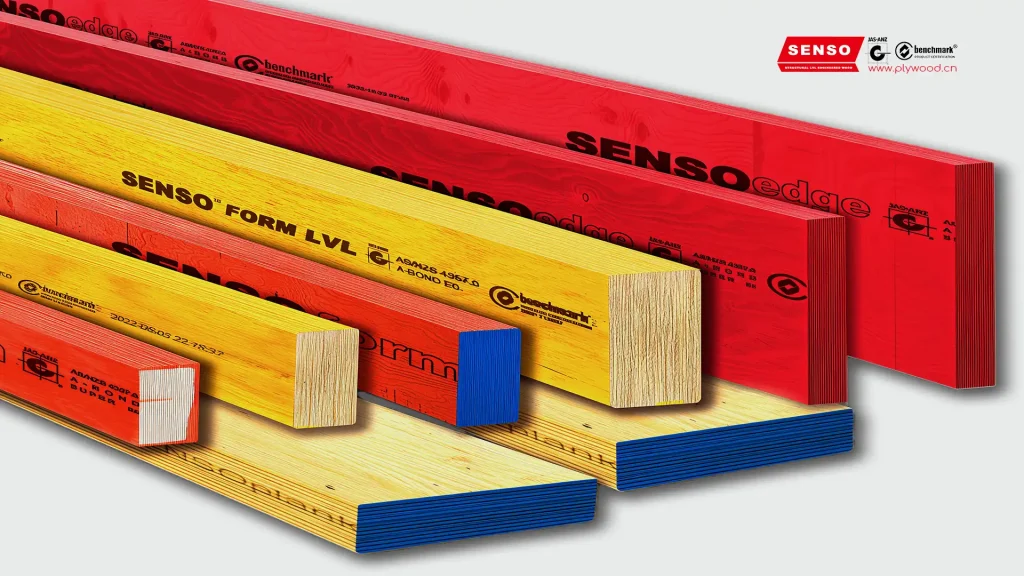
SENSO Form LVL beam products support concrete formwork buyers who need clear sections, practical packing, and stable supply for repeat orders.
Site Cycle Time Changes The Buying Decision
On many concrete sites, speed matters as much as material cost. If beams are not straight, crews spend more time correcting line and level. Sizes vary, the team may lose time sorting. If packing is weak, the site may receive damaged members before work even starts.
Better Formwork LVL beam selection can reduce these problems. Buyers should check length, depth, thickness, tolerance, surface condition, bundle size, and edge protection. They should also ask whether the same section can be supplied again for future phases.
For contractors who rent or reuse formwork materials, repeated handling is important. A beam that performs well for one pour may not be the best value if it damages easily in storage or transport.
Beam Choice For Slabs Walls And Edges
Slabs, walls, and edges place different demands on LVL members. Slab support often needs layout control and load planning. Wall forms need alignment and handling control. Edge formwork needs clean sizing and better edge stability. Because of this, the buyer should not treat every formwork beam as the same product.
For slab edge work, buyers may also compare SENSO Edge Form LVL boards. Edge form use can involve size accuracy, straight edges, and neat layout. For wider structural timber options, SENSO LVL timber can help buyers compare products for framing, formwork, and engineered wood supply.
A clear use case helps the supplier suggest the right route. It also helps avoid overbuying a product that is too heavy, too costly, or not suited to the work method.
Formwork LVL Beam Options Buyers Compare
Concrete buyers often compare LVL with solid timber, H20 beams, steel members, and plywood based formwork parts. Each option has a role. The best choice depends on job type, reuse plan, crew habit, weight, cost, and supply stability.
| Option | Common use | Buyer advantage | Buyer caution |
|---|---|---|---|
| Formwork LVL | Bearers, joists, slab support, edge work | Straight engineered timber with repeatable sections | Use, size, packing, and moisture exposure must be checked |
| Solid timber | Simple temporary supports | Easy to source for basic work | May vary in straightness, knots, and size |
| H20 beam | Panelized and slab formwork systems | Designed for formwork systems | May not suit every buyer’s stock or cost plan |
| Steel member | High load or repeated system use | Strong and durable where designed well | Heavier handling and corrosion checks may apply |
| Plywood form face | Concrete contact surface | Creates the flat face for concrete forming | It is a panel, not a beam support member |
This comparison matters because a formwork system may need both beams and panels. LVL can serve the support role, while plywood faces serve the concrete contact surface. Mixing these roles can lead to poor buying decisions.
Packing And Storage Can Change Real Value
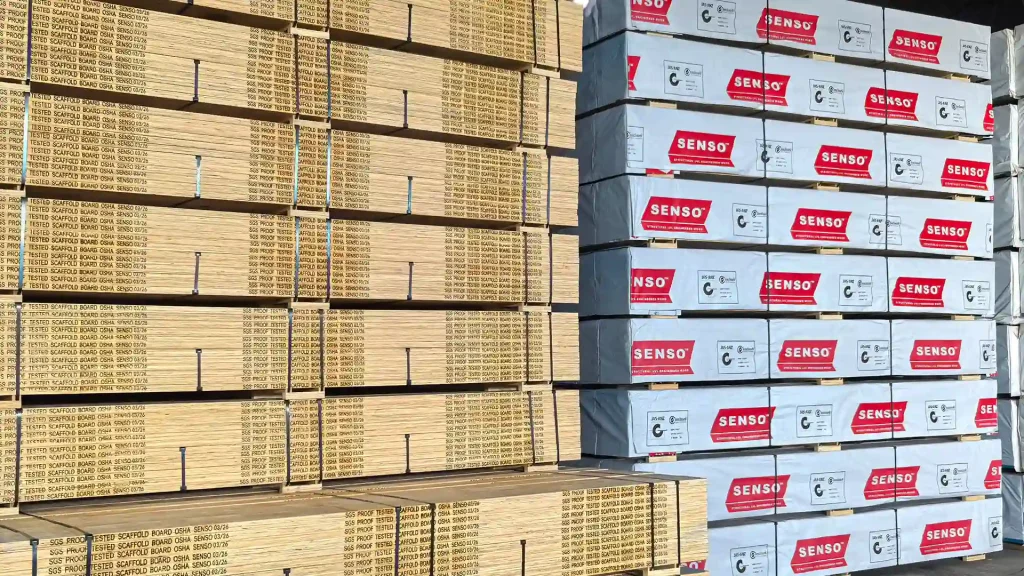
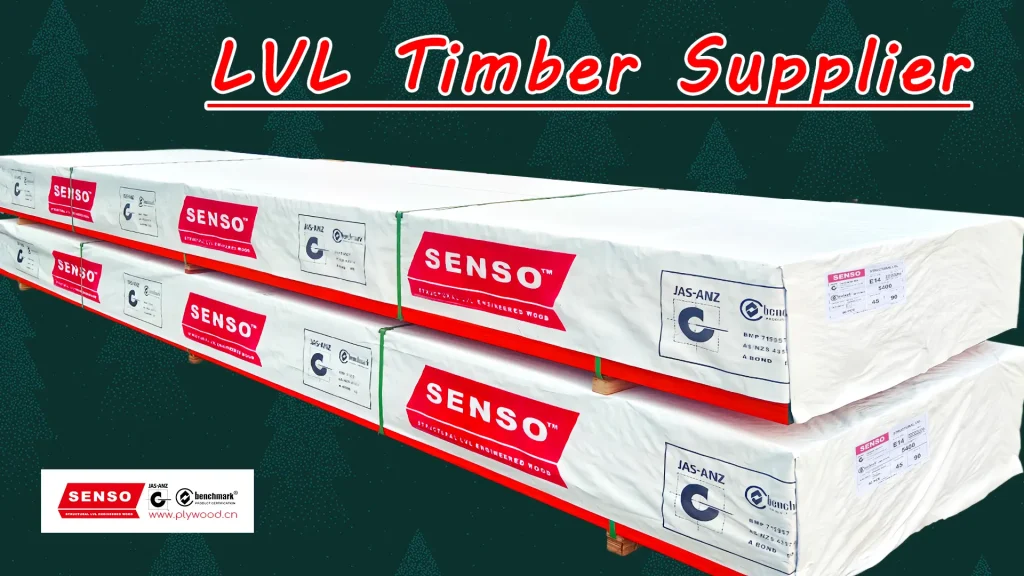
Good packing protects the order before the first pour begins. Long LVL beams need stable bundles, clear labels, strong wrapping, and a loading plan that supports the length. Weak packing can cause edge knocks, bending stress, and slow unloading.
Site storage also matters. Formwork beams should be kept raised, sorted, and covered when needed. If the job faces wet or muddy conditions, storage planning should be part of the order discussion. A good beam can lose value if it is stored badly after arrival.
If responsible sourcing documents are required, buyers should confirm them before production. The FSC official site gives general information on forest certification. Late requests may affect cost and lead time.
SENSO Support For Concrete Formwork Buyers
SENSO supports Formwork LVL buyers with size review, application checks, packing planning, and export supply. This is useful for wholesalers, formwork companies, construction buyers, and rental supply channels that need stable sections across repeat orders.
The best request includes the final use, size, length, grade need, quantity, destination, packing request, and expected handling conditions. If the buyer is not sure whether the order should use Form LVL, Edge Form LVL, scaffold plank, or another LVL product, SENSO can help review the choice before production.
Buyers can send formwork beam order details to SENSO for a clearer quotation. A better request often saves more time than a faster quote.
Common Questions About Formwork LVL Beam
What is Formwork LVL used for?
Formwork LVL is used for formwork bearers, joists, slab support, edge forming, and other concrete site support members.
Is LVL suitable for concrete formwork?
Yes, LVL can suit concrete formwork when the size, grade, packing, handling, and site exposure match the project use.
How is Form LVL beam different from plywood form face?
Form LVL is mainly a support member. Plywood form face is a panel used against concrete to form the surface.
What should I send for a formwork LVL quote?
Send size, length, grade, quantity, use, destination, packing needs, and handling conditions. This helps the supplier quote the right product.
A Better Start Before The Next formwork Pour
A good formwork order starts before the site runs short of beams. Check the concrete work method, beam role, size, tolerance, packing, storage, and repeat supply plan first. When those details are clear, Formwork LVL Beam becomes easier to compare by real value, not just price. SENSO helps buyers choose LVL formwork beam options that support cleaner site work and safer order control.
Post time: May-29-2026