
Why engineered Laminated Veneer Lumber studs draw attention
Stud walls shape almost every trade on a project. When studs stay straight, work stays smooth and tempers stay down. When frames move or twist, tension rises on site and schedules slip. Builders understand this link well. They still lean on familiar MGP 10 pine framing and MGP 12 pine framing because these grades meet code and feel safe. However, they also carry variation from log to log. Knots, slope of grain, and drying all affect how each stud behaves. That spread can turn a neat design into a harder build. engineered Laminated Veneer Lumber studs answer this problem. Veneers come graded, dried, and laid in a tight pattern. The finished section then behaves in a far more predictable way.
How engineered Laminated Veneer Lumber studs compare with pine grading
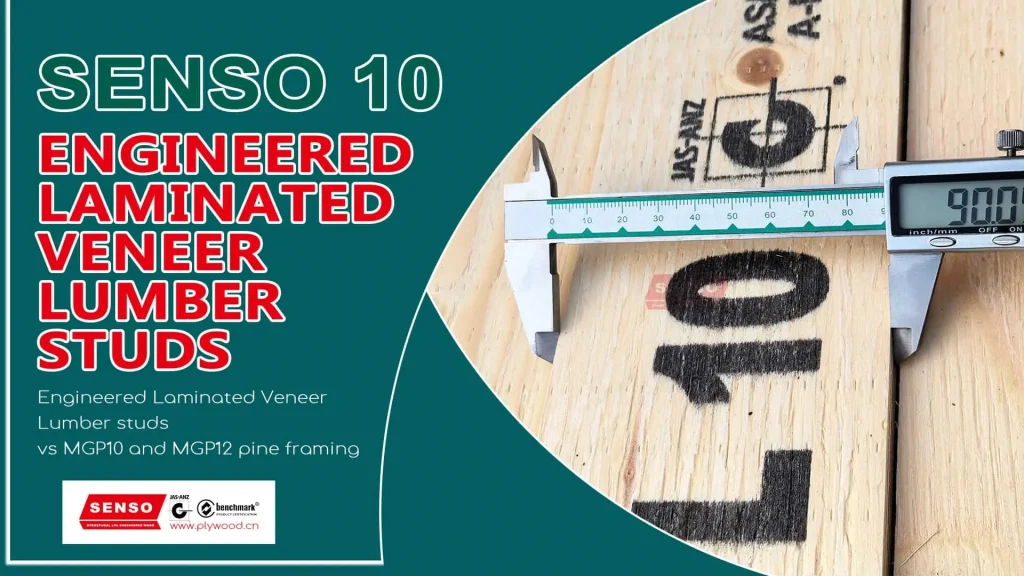
To understand the shift, it helps to look at grading. MGP 10 pine framing offers a starting point for many homes and small projects. Most single storey houses still use it in internal and external walls. MGP12 pine framing lifts stiffness and strength to handle heavier walls and some roof or floor areas. Both grades rely on machine grading of solid pieces. The system works, but the range within each pack stays wide. Some studs feel stiff and solid while others twist more during the build. By contrast, engineered LVL studs use thin veneers. Each veneer passes under controls before it joins the layup and pressing stage. Once pressed, the section achieves high strength with a tighter spread of values. engineered Laminated Veneer Lumber studs can therefore match or exceed design needs with fewer weak links in key walls.
Stud straightness, finish quality, and rework
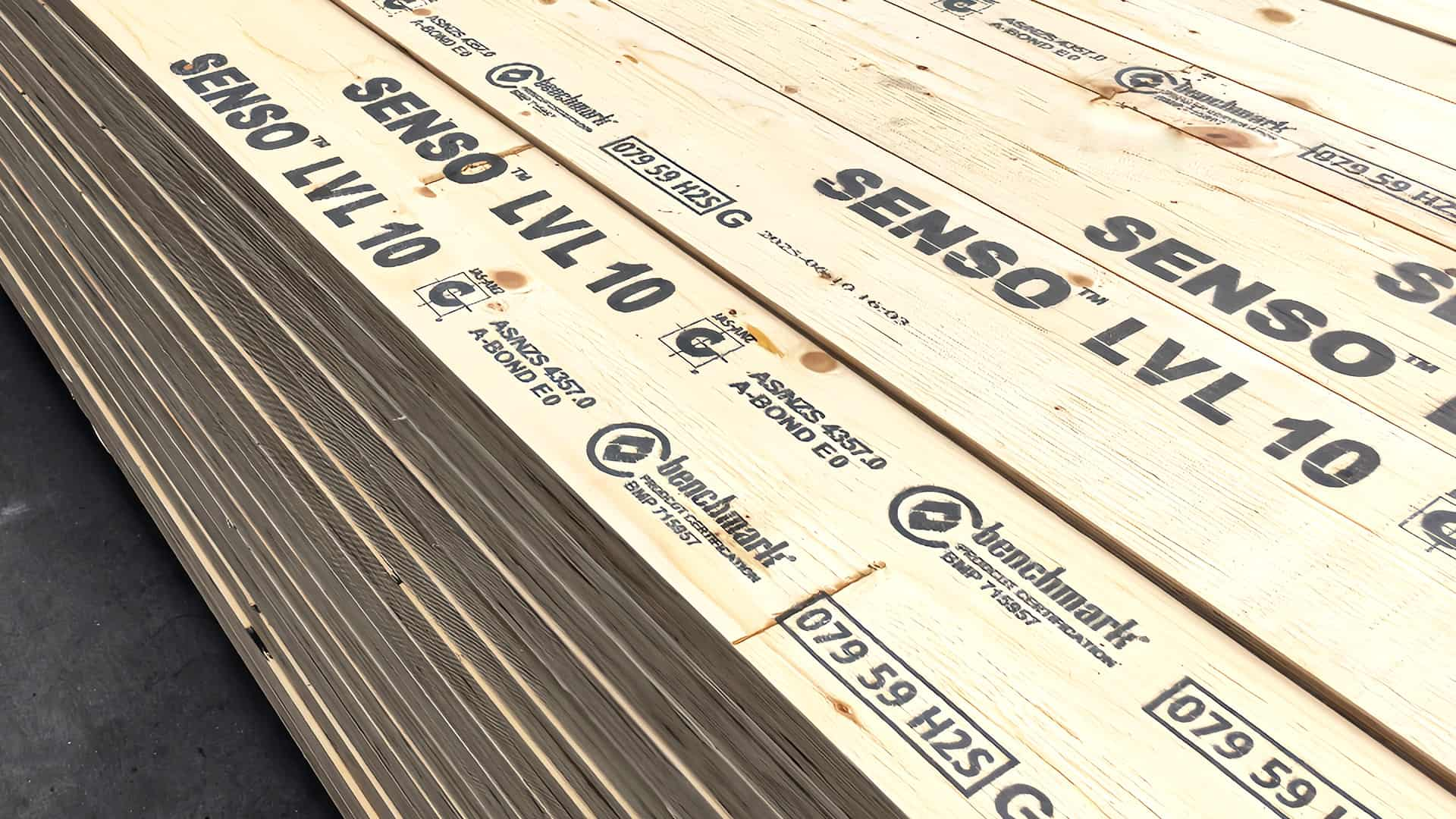
Straight studs save time on every project and help control quality. Crews can lay out plates, stand walls, and line everything with fewer checks. With solid pine, the first job often becomes sorting. Carpenters sight down each piece, set aside bent lengths, then cut them for shorter studs or nogs. Waste piles grow during the day and extra packing hides inside walls. These fixes cost money and create mixed results between crews. engineered Laminated Veneer Lumber studs change that rhythm. Veneer layup and pressing lock the section into a stable form. Packs arrive straight and tend to remain that way as humidity changes. Because of that, plasterboard teams need fewer packers and back blocks. Cabinet installers fight fewer bumps. Over a year of jobs, rework and call backs drop in a clear and measurable way.
Labour, speed, and total project cost in SENSO Comparison
Price tags on a quote sheet never tell the whole story. Timber rates per metre look simple, yet labour usually sets true cost. Crews who spend hours straightening or replacing studs burn margin quickly. Delays also push electricians, plumbers, and plasterers out of their slots. SENSO Comparison helps buyers see this link. engineered Laminated Veneer Lumber studs often cost more per metre than MGP10 pine framing. However, they cut wasted time on site. Crews pull studs from the pack, stand the wall, and fix off with less sorting. They lift fewer rejects and make fewer extra cuts. That change keeps frames on schedule and keeps wage costs under control. When you add prelims, overhead, and call backs, engineered LVL studs often protect profit better than low grade pine.
Comparison – engineered Laminated Veneer Lumber studs vs pine framing
| Feature | Engineered LVL studs (SENSO) | MGP10 pine framing | MGP12 pine framing |
| Material type | Engineered laminated veneer lumber studs | Solid pine, machine graded | Solid pine, higher grade |
| Straightness | Very straight and stable | More twist and bow risk | Better than MGP10, still variable |
| Typical use | Key walls, tall studs, mid-rise frames | Standard internal and external walls | Higher load walls and selected roofs |
| Labour impact | Faster set out, less rework | More sorting, packing, trimming | Less rework than MGP10, more than LVL |
| Durability & moisture | Good stability through wet/dry cycles | Can cup or twist on wet sites | Similar moisture risk to MGP10 |
| Termite options | Deep treatment in veneers and glue lines | H2 / H2S internal options | H2 / H2S internal options |
Engineered Laminated Veneer Lumber studs in taller and mid rise walls
Ceiling heights keep growing in modern homes and townhouses. Apartment and mid rise projects also push wall heights higher. In these cases, wall stud stiffness becomes critical because excessive movement leads to cracks. Doors bind, partitions drum, and finishes suffer. MGP10 pine framing works in basic single storey work, yet it reaches limits as heights and loads grow. Many engineers step up to MGP12 pine framing or start to thicken walls. Those choices solve the problem but add cost and weight. engineered Laminated Veneer Lumber studs offer another path. The LVL core delivers high stiffness with low spread between pieces. Designers can control deflection more tightly, even in narrow panels beside large openings. This ability supports mid rise framing layouts without constant custom fixes or heavy sections. Builders gain height options while still using light weight wall framing.
Durability, termites, and moisture for engineered Laminated Veneer Lumber studs
Durability questions sit near the top of every specification. Buyers ask about termite risk, decay, and wet weather during construction. MGP10 pine framing and MGP12 pine framing usually rely on H2 or H2S treatment classes. These systems suit internal, above ground use when trades cut and seal correctly. Yet deep cuts or missed end coating can expose bare timber. engineered Laminated Veneer Lumber studs can use systems where treatment moves into the veneers and glue lines. Protection reaches deeper into the section and surrounds much of the core.
Even after drilling or trimming, much of the stud still holds treatment. Moisture also plays a role in long term behaviour. Solid pine often cups or twists after cycles of soaking and drying on open frames. LVL structure tends to move less because it uses thin, well controlled veneers. Frames stay closer to line from frame stage through to lock up, even when weather turns rough.
Engineered Laminated Veneer Lumber studs in off site framing and panels
Off site framing plants and panel lines depend on repeatable material. They use saw lines, jigs, and nail plates at high speed. Any change in density or straightness slows that flow and lifts waste. Solid pine can work, but it often needs extra allowances for bow and variation. engineered Laminated Veneer Lumber studs suit this model very well. Sections arrive in tight moisture ranges and accurate lengths. Straightness supports clean clamping and nailing on the line. Panels leave the plant square and then drop into place on site with minimal force. Because of this, more plants now run SENSO Comparison trials. They track set up time, reject rates, and frame accuracy for LVL studs and pine. The data usually shows that engineered LVL studs give smoother shifts and fewer line stops. Builders then see faster installs and fewer surprises when crane time starts.
Where MGP10 and MGP12 pine still make sense
A fair comparison does not ignore pine benefits. MGP10 pine framing still suits many short walls and internal partitions. In low risk areas, the cheapest suitable option can still be fine. MGP12 pine framing gives a lift where extra strength helps. Some roof zones, bracing walls, and long running details already perform well with that grade. SENSO Comparison therefore does not call for a full switch overnight. Instead, it suggests a balanced blend of options. engineered Laminated Veneer Lumber studs take over tall walls, major bracing lines, and feature zones that really matter. Pine framing stays in simple or heavily price driven areas of the plan. This mix keeps costs balanced and raises overall performance. It avoids forcing crews to relearn every nut and bolt in one step.
How SENSO Comparison supports wholesalers and frame plants
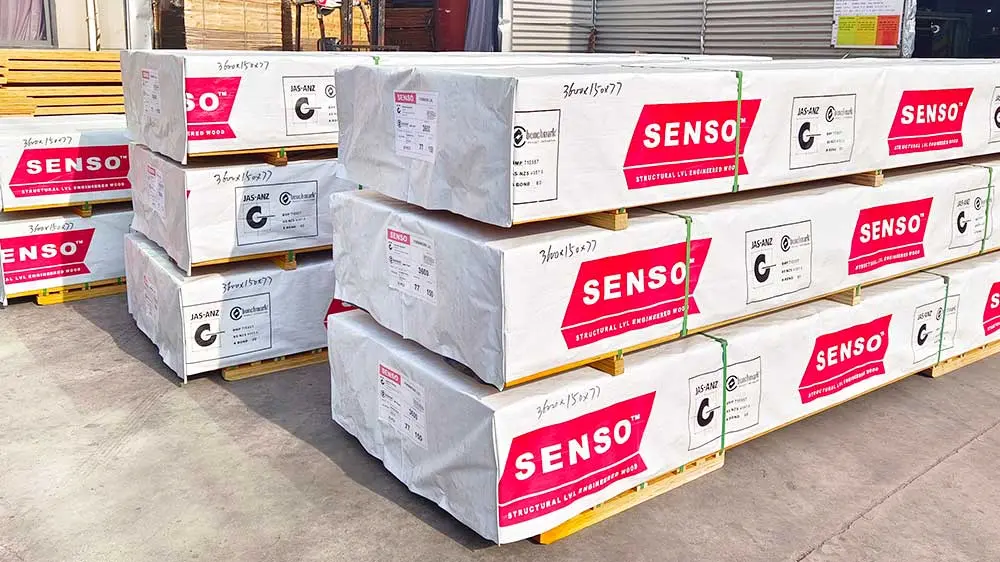
Wholesalers and frame plants play a key role in change. They carry stock risk and field calls when frames go wrong. SENSO Comparison gives them a clear tool to drive better outcomes. It sets engineered Laminated Veneer Lumber studs side by side with MGP10 pine framing and MGP12 pine framing. It examines quality spread, waste, and labour, not only metre rates. With that story, sales teams can offer real choices. They can promote engineered LVL studs as a premium line that protects profit and reputation. At the same time, they can still range pine for the right kind of jobs. SENSO supports this with technical sheets, training, and co branded marketing material. Partners then move beyond selling timber and start selling better results for builders and owners.
Practical steps when shifting from pine to LVL studs
Change works best when it feels simple. Most builders do not want a full system change in one jump. A better path starts with one or two focused projects. Choose frames that already cause issues with twist, height, or finish quality. Use engineered LVL studs on those jobs and track rework, waste, and time on site. Ask crews to record how many pieces they reject and how often they pack out. Compare that information with a similar pine frame on another job. Numbers and comments together make the case clearer than any brochure or sales call.
Wholesalers can support this trial phase in practical ways. They can hold key sizes of LVL wall studs in stock and match them to common wall layouts. Staff can learn which walls gain most from an upgrade. Bracing lines, tall halls, and feature walls usually sit high on that list. Over time, LVL tonnes can grow as confidence grows. Price talks then move away from simple metre rates. They start to focus on risk, rework, and final frame quality instead of only raw material cost.
Designers and engineers can also join the process early. They can review current details and confirm where LVL brings the most value. Often they will highlight deflection limits, crack control, and movement around large openings. Site teams then know where to focus their energy. As supply grows, the office can start to list both options in standard notes. Pine remains a base case. engineered LVL studs become the recommended choice for listed walls within the SENSO Comparison framework.
FAQs about engineered Laminated Veneer Lumber studs and pine framing
Buyers usually raise the same questions first. They ask if engineered Laminated Veneer Lumber studs are really stronger than pine. Some worry about compatibility with existing details and fixing systems already used by crews. SENSO Comparison helps answer these points clearly. It shows that engineered LVL studs can match or beat MGP 10 pine framing for strength and stiffness in many walls. It also shows how labour savings and reduced waste narrow the cost gap. For compatibility, SENSO provides stud sizes that drop into standard wall layouts, subject to engineering sign off. The result is a practical upgrade path. Builders keep familiar methods yet gain calmer frames, fewer call backs, and stronger word of mouth from each finished home.
Post time: Feb-23-2026