
Edge Form LVL can make slab work cleaner, faster, and easier to control. A slab edge board may look like a simple formwork item, yet poor straightness, weak sizing, rough edges, or poor packing can slow a concrete crew before the pour starts. For builders, formwork suppliers, and wholesalers, the right edge form board should match the site method, slab layout, handling plan, and repeat supply need.
Concrete edges leave little room for guesswork. If the board moves, twists, swells, or arrives damaged, the crew may spend extra time correcting line and shape. SENSO supports buyers who need stable LVL sections, clear size control, and practical export packing for slab edge forming work.
Slab Edges Need More Than A Straight Board
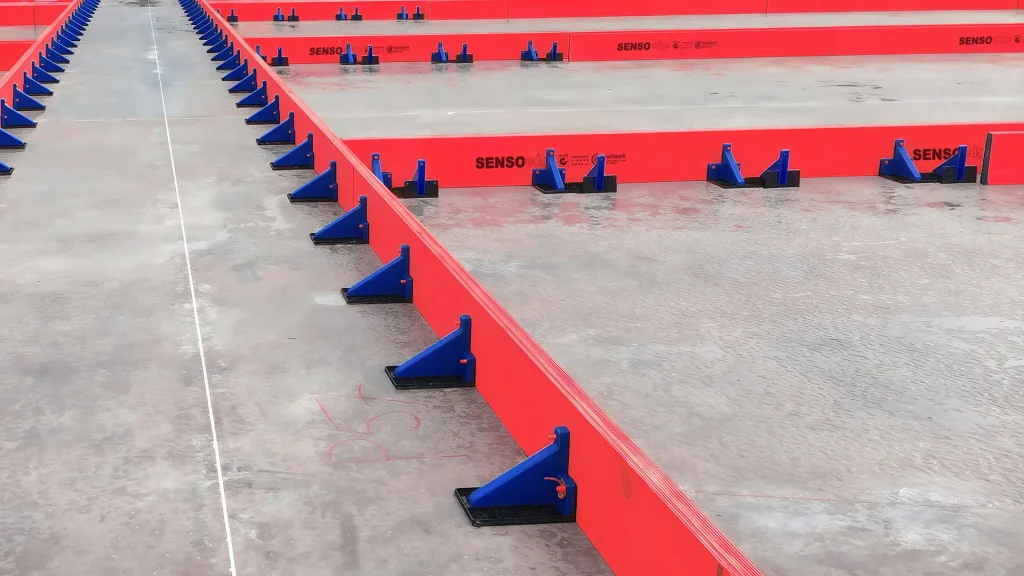
A slab edge board helps define the side line, height, and edge shape of a concrete pour. It must stay straight enough for the crew to set out the form. It must also hold its shape during handling, fixing, bracing, and concrete placement.
Ordinary timber can work in simple jobs, but natural timber may vary in grain, knots, moisture, and straightness. Laminated Veneer Lumber uses thin veneers bonded into a long engineered member. The grain usually runs along the member length, which helps create stable sections for beam and formwork use.
Buyers comparing wider LVL choices can review the SENSO Laminated Veneer Lumber buying guide before confirming a slab edge order.
Where Edge Form LVL Fits In Concrete Work
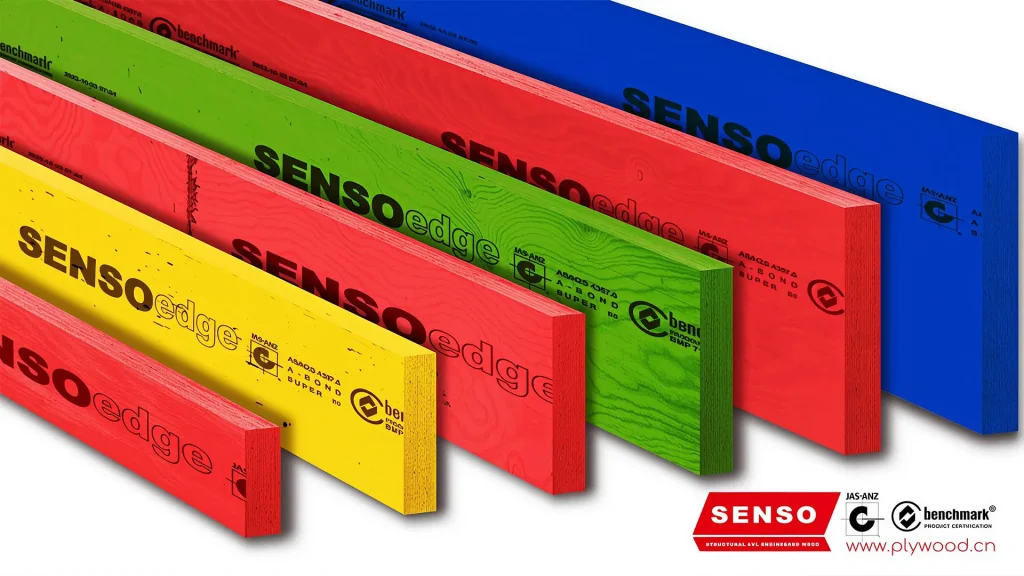
Edge Form LVL is used where concrete teams need a straight, stable, and repeatable edge form member. Common uses include slab edge boards, perimeter forming, temporary concrete edge support, and formwork layouts that need consistent timber sections.
The board’s role is different from a plywood form face. Plywood often forms a flat contact surface. Edge form boards help define and hold the side edge. That means size, straightness, fixing method, and edge quality can affect the final result.
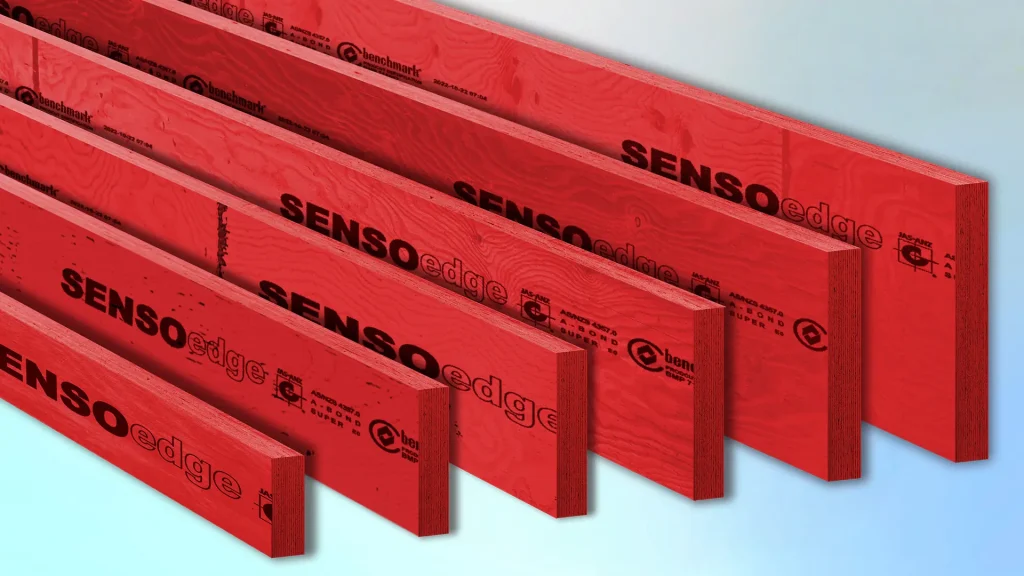
SENSO Edge Form LVL boards are made for buyers who need stable sections for concrete edge work. Buyers using wider formwork systems can also compare Form LVL beam options for bearers, joists, and slab support.
Clean Size Control Saves Site Time
Size control matters because edge form work is often repetitive. A crew may set many boards along a slab line. If sections vary, the team loses time sorting, trimming, or adjusting. Poor edges can also affect fixing and alignment.
Better Edge Form LVL selection starts with thickness, depth, length, tolerance, surface condition, edge quality, and packing. A good quote should not list only one size and one price. It should match the real use and delivery plan.
For wholesale buyers, repeat sections are also important. A distributor needs boards that arrive with clear marks and stable bundle logic. That makes stock easier to handle and easier to sell into site based work.
Edge Form Boards Compared With Other Options
Concrete buyers may compare LVL edge boards with solid timber, plywood strips, steel forms, and plastic formwork parts. Each option has a place. The better choice depends on site method, finish target, reuse plan, crew habit, stock control, and cost.
| Option | Common use | Buyer advantage | Buyer caution |
|---|---|---|---|
| Edge Form LVL | Slab edge boards and concrete perimeter forming | Stable engineered timber with repeatable sizing | Size, tolerance, edge quality, and packing must be checked |
| Solid timber board | Simple edge forming and temporary site work | Easy to source for basic jobs | May vary in straightness, grain, and moisture movement |
| Plywood strip | Panel based forming or cut strips | Useful where sheet cutting suits the job | Edges and strip strength need care |
| Steel form | Repeat system work and heavy duty forming | Durable where system use is planned | Higher handling weight and system cost may apply |
| Plastic form part | Lightweight edge or modular systems | Low weight and easy handling in some jobs | May not suit every fixing method or site habit |
The table shows why buyers should not treat all edge form products as the same. A cheaper board may add labor if the crew spends more time fixing line, sorting sizes, or replacing damaged stock.
Ordering Details That Protect The Slab Edge
A useful order should state the board size, length, tolerance, quantity, packing need, and final use. Buyers should also confirm whether the board will be used once, reused across many pours, or stocked for resale.
Long boards need careful packing. Bundle support, wrapping, edge protection, label position, and loading order all matter. If mixed lengths are packed together, the supplier should explain how the bundle will stay clear and easy to unload.
The APA structural composite lumber resource explains LVL as an engineered product made from bonded veneers. This structure helps show why size and production control matter in long timber members.
Handling And Moisture Checks Before Site Use
Concrete sites can be wet, muddy, and busy. Even good boards need proper handling. Storage should keep boards raised, sorted, and protected when needed. Poor storage can affect straightness, surface condition, and ease of use.
Moisture exposure should be discussed before the order starts. Buyers should ask about bonding, expected use, storage, and edge protection. If the board will face repeated handling, the buyer should also review damage risk during loading, unloading, and site movement.
WoodSolutions lists LVL applications across beams, lintels, purlins, truss chords, and formwork. That range shows why the same LVL product family must still be matched to each job. Formwork use and framing use do not carry the same risks.
SENSO Support For Edge Form Buyers
SENSO supports Edge Form LVL buyers with size review, packing discussion, application checks, and export supply planning. This helps concrete buyers reduce order risk before production, especially when the order includes mixed lengths or repeat stock.
The best request includes board thickness, depth, length, quantity, final use, destination, packing needs, and any marking request. If buyers also need formwork bearers or joists, SENSO can help review whether the order should include Form LVL, Edge Form LVL, or other LVL products.
Buyers can send edge form order details to SENSO before confirming the next container. A clear request helps the supplier check size, packing, and real site use.
Common Questions About Edge Form LVL
What is Edge Form used for?
Edge Form LVL is used for slab edge boards, perimeter forming, and concrete edge support where straight and stable sections are needed.
Is Edge Form LVL the same as Form LVL?
No. Edge Form LVL focuses on slab edge forming. Form LVL may serve broader formwork uses such as bearers, joists, and support members.
Why does straightness matter in slab edge work?
Straightness helps crews set line and shape faster. It can reduce site adjustment before the concrete pour starts.
What should I send for an edge form quote?
Send size, length, quantity, use, destination, packing request, and any marking need. These details help the supplier quote the right board.
A Cleaner Start Before Slab Work Begins
A good slab edge order starts with the site method, not just the board price. Check the board role, size, tolerance, edge quality, packing, storage, and repeat supply plan before buying. When those details are clear, Edge Form LVL becomes easier to judge by real site value. SENSO helps buyers match edge form boards to concrete work, wholesale supply, and safer container planning.
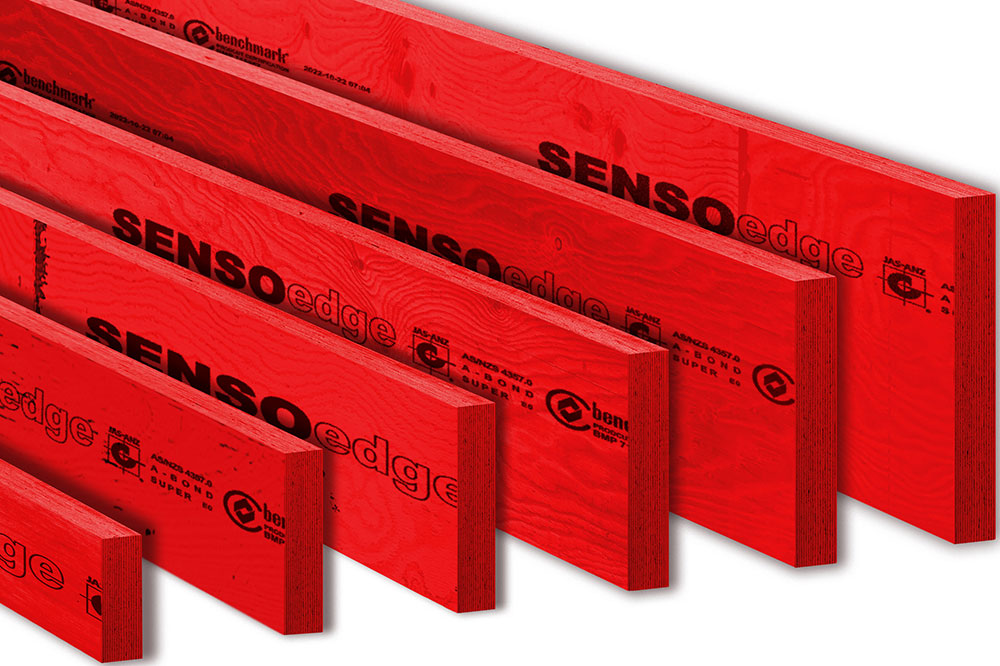
SENSO Edge Form LVL
Post time: Jun-01-2026