
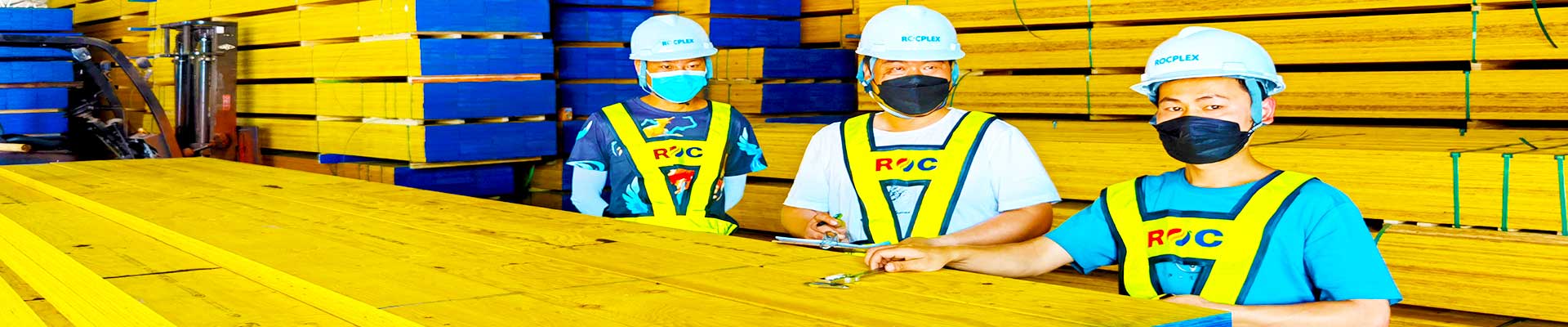
OSHA boards sit at the point where site safety meets daily productivity. Buyers use them as working surfaces on scaffold systems, access runs, and raised work zones. A good board must feel stable underfoot, fit the scaffold frame, and handle repeated movement. For wholesalers, the right board also needs clean packing, steady sizing, and clear order documents.
This article looks at OSHA boards from a buyer’s view. It suits scaffold stockists, construction suppliers, rental yards, and project teams. It also fits the product direction of lvl-beam.com, where SENSO focuses on LVL timber, scaffold plank, form LVL, framing LVL, and jobsite access products. The goal is simple. Choose boards that help workers move with more confidence and help buyers reduce supply risk.
Why OSHA Boards Matter to Scaffold Buyers
OSHA boards do not sell only because someone needs timber. They sell because people need safer access. Contractors want a platform that does not flex too much. Rental yards want boards that return to stock after each job. Wholesalers want fewer complaints after delivery.
The phrase also signals a higher standard to many buyers. In the United States, OSHA scaffold rules focus on load, support, platform use, and safe working conditions. Buyers outside the United States may use other rules, but the intent stays close. The board must suit the work, the load, and the scaffold system.
SENSO positions OSHA boards as part of a wider scaffold plank supply offer. The site already presents SENSO Scaffold Planks as LVL timber boards for strength, lighter handling, and high load-bearing use. That makes the topic a natural fit for lvl-beam.com and its engineered wood audience.
OSHA Boards and LVL Scaffold Plank Performance
A standard timber board may suit light site use, but it may not suit scaffold access. OSHA boards should match the planned span, load, and work area. The buyer should ask how the board performs under pressure, not only how it looks on a pack.
LVL scaffold plank offers a strong answer for many sites. Thin veneers bond together in a controlled process, so the finished plank can stay more uniform than many solid timber boards. This helps buyers who need repeat supply with less variation between orders.
SENSO scaffold planks also support custom order planning. The product page lists lengths from 1.2 metres to 6 metres and mentions project-based size support. This helps wholesalers serve different scaffold frames, rental fleets, and regional habits without changing supplier every month.
Walk Boards Scaffold Boards and OSHA Planks
Many buyers compare OSHA planks, walk boards, and scaffold boards as if they mean the same thing. In real buying, the terms overlap, but they are not always equal. Walk boards describe the platform function. Scaffold boards describe the board type. OSHA boards point toward safety-focused scaffold use.
A simple buying rule helps. First, confirm the scaffold system. Then confirm the intended load. After that, match the board material, length, surface, and support distance. This approach reduces wrong orders and makes technical talks easier.
For general access, wooden scaffold boards may work well. Busy sites, LVL scaffold plank gives better consistency. For specialist scaffold decks, aluminium or steel options may also fit. The best choice depends on the user, not only the product name.
What Good Scaffold Boards Must Do on Site
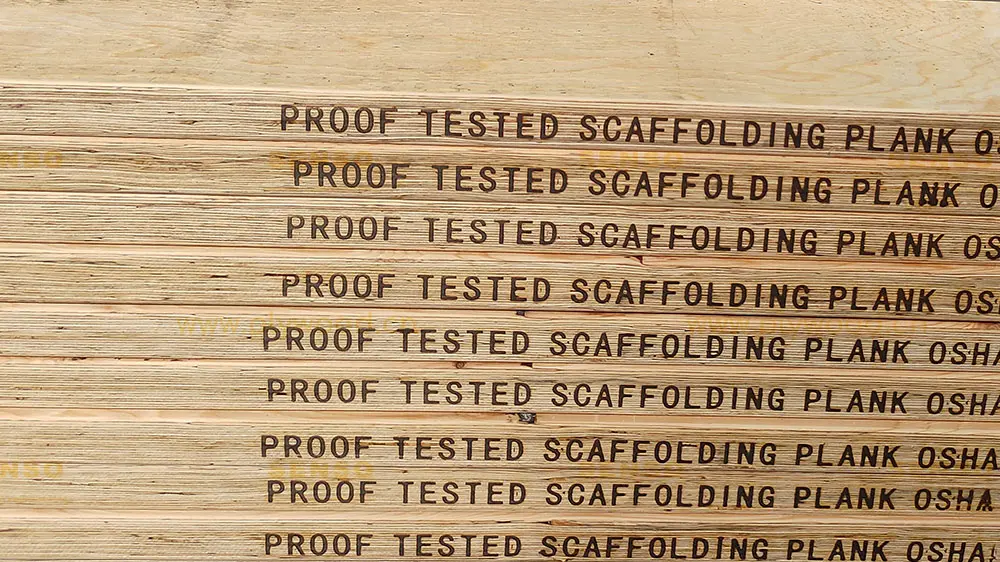
Contractors care about what happens after the board leaves the pack. The board must sit flat on the frame. It should not twist during normal storage. The surface should support safe footing, even when workers carry tools.
Wholesalers care about repeatable supply. They need the same feel from order to order. They also need clear marks, good bundle control, and packing that protects the edges. These points shape how customers judge a supplier.
SENSO helps by linking product strength with export practice. LVL production, stable sizing, and careful packing all support the buyer’s final sale. As a result, OSHA boards become more than a single product line. They become part of a safer scaffold supply system.
Buying Checks Before You Approve an Order
The strongest buying decisions start with the site conditions. Will crews use the boards indoors or outdoors? The job involve frequent movement? Will the boards support tools, materials, or only workers? Will the customer need proof documents?
Buyers should also check span and support. A board may look strong, but wrong support spacing can create risk. OSHA guidance highlights load and support duties for scaffold components. Therefore, buyers should match board choice with the site design and local rules.
Documentation matters too. Ask for product details, batch control, packing lists, and available test records. For FSC project needs, SENSO notes that FSC certified products can be available on request. That point helps buyers bidding on public, green, or traceable timber projects.
How OSHA Boards Support Rental Yards
Rental yards face a hard problem. Their boards move in and out of service. Each return needs inspection, stacking, and fast sorting. Poor boards slow this work and raise replacement costs.
LVL scaffold plank can support rental yards because it aims for straightness and stable behaviour. Workers can check faces, edges, and ends more easily when the product arrives in a consistent form. This does not remove inspection needs. However, it helps yard teams manage stock with less guesswork.
Wholesalers should also think about mixed demand. Some customers ask for walk boards. Others ask for scaffolding planks or scaffold planks. A clear SENSO product offer helps sales teams answer these requests with one supply source.
Packing Details That Protect Scaffold Planks
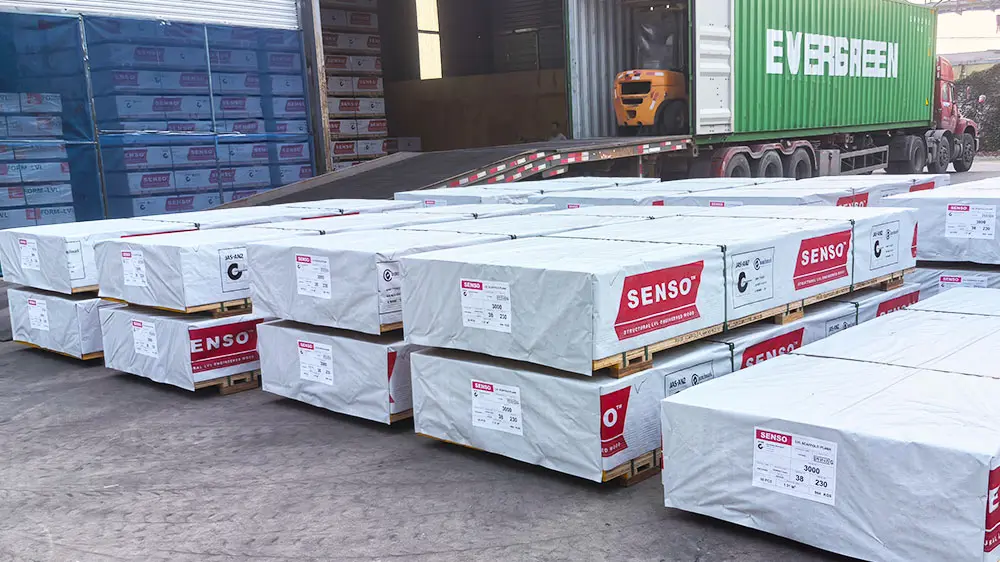
OSHA boards should arrive ready for sale or site delivery. Good export packing reduces edge damage, dirt, moisture marks, and loose bundle problems. It also helps warehouse teams move stock faster.
Buyers should confirm bundle size before order approval. Container planning also matters, especially for long lengths. A small packing mistake can affect loading, unloading, and storage. Therefore, packaging should sit inside the quotation discussion, not after production.
SENSO’s scaffold plank offer fits this need because it serves wholesalers and global buyers. The stronger the packing plan, the easier the product moves through the supply chain. That saves time for everyone after arrival.
| Feature | Standard timber board | LVL scaffold plank | Aluminium walk board |
|---|---|---|---|
| Best use | Light access and short jobs | Busy scaffold platforms | Fast moving rental systems |
| Key benefit | Familiar and cost friendly | More uniform strength | Light and corrosion resistant |
| Buyer concern | Defects and movement | Specification and documents | Higher purchase cost |
| Supply fit | Local stock or simple import | Bulk SENSO scaffold supply | System based purchase |
The table shows why buyers should avoid one-size thinking. A low-cost board may fit a short job. However, a steady LVL option may give better value on busy platforms. For high-turnover fleets, aluminium can work where the frame system suits it.
OSHA Boards and Worker Confidence
OSHA boards must support the way people really work. Crews walk, turn, carry, bend, and pass each other during long shifts. A board that feels firm helps the platform feel organised. It can also reduce small delays caused by doubt or uneven footing.
For distributors, the user experience becomes a sales advantage. When contractors trust the board, they reorder sooner. When rental yards see longer service value, they keep the product in their system. That is why SENSO naturally fits this article. The brand connects engineered LVL know-how with scaffold plank demand.
Good board buying also supports better site habits. Teams still need correct scaffold erection, regular checks, and trained supervision. Yet a better board gives those safety habits a stronger base.
A Clear Buying Path for SENSO Customers
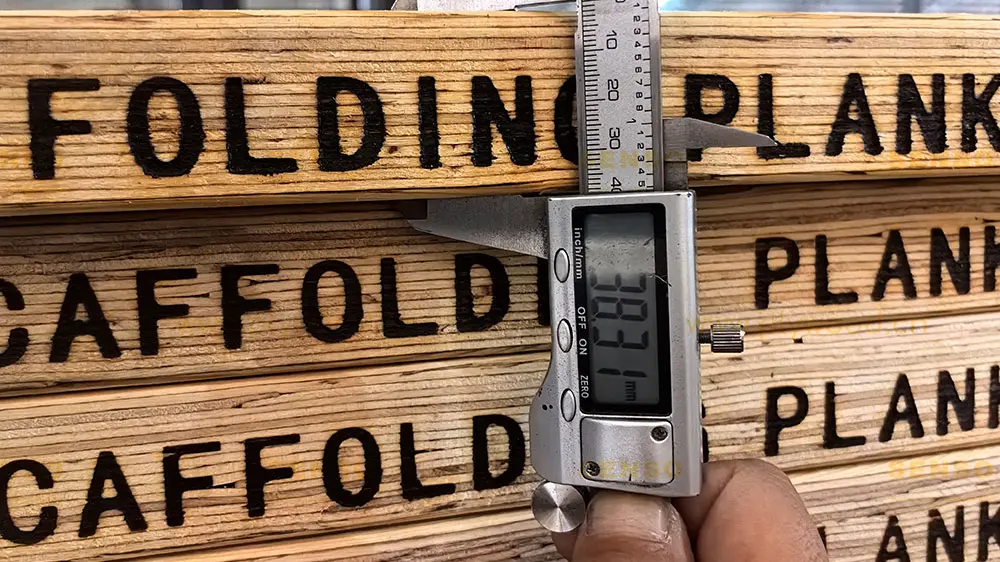
Buyers who already source from lvl-beam.com can connect OSHA boards with other SENSO lines. LVL span planning, form LVL, framing LVL, H20 beams, and scaffold planks serve related construction needs. This helps wholesalers build a broader engineered wood offer for contractors.
The best next step is to prepare a clear order brief. List the market, board size, expected use, packing style, and document needs. Add any certification requests early. Then ask SENSO to match the board to the real job.
That process keeps the purchase practical. It also keeps the sales message clear for the end customer. OSHA boards should not feel like a mystery product. They should feel like a reliable work platform choice from a supplier that understands the site.
Buyer Questions About OSHA Boards
Are OSHA boards the same as walk boards?
Not exactly. Walk boards describe the working platform. OSHA boards refer to scaffold boards that target OSHA style safety use and jobsite requirements.
Why do buyers choose LVL scaffold plank?
LVL scaffold plank gives buyers stronger size control and more even behaviour than many solid timber boards. This helps bulk orders feel more consistent.
Can SENSO supply OSHA boards for wholesalers?
Yes. SENSO serves construction material wholesalers, scaffold stockists, rental yards, and project buyers with scaffold plank supply support.
What should buyers confirm before ordering?
Confirm board size, span, expected load, scaffold frame type, packing method, markings, and document needs before production starts.
Post time: Jul-08-2026