
LVL headers can look like a small part of a wall frame, yet it carries a serious job. It helps transfer load around doors, windows, and other openings. If the header is poorly sized, poorly packed, or poorly matched to the design, the result can be site delay, repair work, or order disputes. For builders and wholesalers, the best header choice starts before the price is compared.
SENSO supplies Laminated Veneer Lumber for buyers who need stable structural members, clear size control, and repeat order support. A wall opening is not the place for guesswork. The member should match the load path, opening width, grade need, bearing point, and project plan.

What Headers Does In A Wall Frame
A header sits above an opening and carries load to the side supports. In simple terms, it lets the wall keep working even where a door or window interrupts studs. The wider the opening, or the higher the load above it, the more careful the header choice becomes.
Correct LVL headers should fit the opening, the load above it, the bearing points, and the framing method. Price should come after those details are clear. If those details are missing, two quotes may look similar while the real project risk is very different.
Buyers who need a wider product view can review the SENSO Laminated Veneer Lumber order guide before confirming wall framing stock.
Why LVL Headers Works Well Above Openings
Headers need more than strength. They also need straightness, repeat size, and reliable supply. Solid timber can vary by log and grade. Knots, grain slope, and natural movement may affect how a section behaves. In contrast, LVL spreads selected veneers through a bonded structure.
The APA structural composite lumber resource explains LVL as a product made from thin veneers with grain mainly parallel to the member length. That long grain layout supports beam and header use.
This makes LVL useful for repeat wall framing, prefab frames, housing work, and commercial fit out. It also helps wholesalers sell more predictable sections to builders. However, the final product still needs the right size, grade, and design approval.
Opening Width Is Only One Part Of The Decision
Some buyers choose a header only by opening width. That is risky. Header size also depends on load above the opening, wall type, roof or floor support, bearing length, deflection limits, grade, and local design rules. A wide opening with light load may not need the same member as a narrower opening with heavy load.
Wall framing also needs practical checks. Can the header fit the framing depth? Does the builder need a single member or a built up section? Will it arrive cut to length or in stock length? How will the site store the material before use?
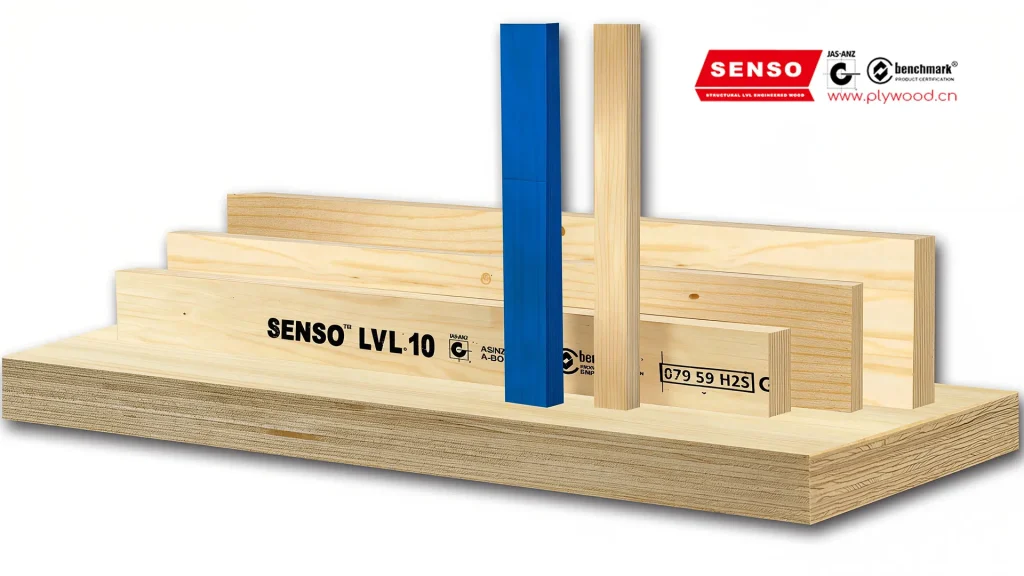
SENSO LVL timber supports buyers who need structural members for wall, floor, roof, and frame work. The final choice should always follow the project requirement.
Headers Material Options Buyers Compare
An LVL header is not the only option. Buyers may also compare solid timber, glulam, steel, or built up timber sections. Each material has a role. The best option depends on load, opening width, finish, labor method, availability, and budget.
| Header option | Common reason to use it | Buyer caution |
|---|---|---|
| LVL header | Stable size and engineered beam strength | Confirm grade, span, bearing, and load path |
| Solid timber header | Simple framing and easy sourcing | Natural defects and movement may vary |
| Glulam header | Large visible beams and feature structures | May be more than needed for hidden framing |
| Steel header | High load or special structural design | Needs design, connection, and corrosion checks |
| Built up timber header | Local framing method and flexible assembly | Labor and fixing quality matter |
The table shows why buyers should not choose only by price. A cheaper material may add labor or risk. A stronger material may be unnecessary if the design does not need it.
Ordering Details That Affect Header Supply
Header orders need clear size and marking. If a container includes many lengths, labels should stay visible. Bundles should group sections in a way that helps unloading and stock control. Poor marks can slow a distributor or jobsite team even when the material itself is correct.
Moisture and storage also matter. LVL should be handled with care before installation. If the order will sit on site, buyers should plan covering, raised storage, and clear sorting. For export orders, packing should protect edges and maintain bundle stability during transport.
For floor and roof systems that connect with headers, buyers may also compare SENSO I joist beam components. System thinking often reduces ordering mistakes because beams, joists, and flange material can be reviewed together.
Standards And Design Checks Should Stay Visible
An LVL header is a structural member, so the final section should follow local design rules and project approval. A supplier can help with product data, size options, and order planning, but the project designer or qualified builder should confirm the final member for the load case.
The WoodSolutions LVL resource lists LVL uses across beams, lintels, purlins, truss chords, and formwork. That range shows why the same product family needs different checks across different applications.
If forest source documents are part of the order, buyers should confirm that early. The FSC official site gives general information on certification, but project paperwork should be checked before production starts.
SENSO Support For Header Buyers
SENSO supports LVL header buyers with size review, order planning, packing discussion, and repeat supply. This is useful for wholesalers who need stock sizes and builders who need project based sections. Clear order data helps reduce wrong lengths, mixed marks, and shipment confusion.
Before asking for a final price, buyers should send opening use, member size, grade need, length list, quantity, destination, and packing preference. If the project also includes formwork or other structural LVL needs, SENSO can help connect the header order with wider product planning.
To start a header order review, buyers can send wall opening and size details to SENSO. A clear request helps match the section to the job before the next container is planned.
Common Questions About LVL Headers
What is an LVL header used for?
An LVL header is used above doors, windows, and wall openings to help transfer load around the opening to side supports.
Is an LVL header better than solid timber?
LVL can offer more stable size and predictable performance than many solid timber sections. Final choice depends on design and approval.
Can LVL headers be cut on site?
They may be cut when design and supplier guidance allow it. Cutting, drilling, or notching should not reduce required performance.
What should I send for a header quote?
Send size, length, grade, quantity, opening use, destination, and packing needs. This helps the supplier quote the correct product.
A Stronger Start For Wall Opening Orders
A good LVL header order begins with the wall opening, not the price sheet. Before confirming the next container or project supply, check the load path, opening width, bearing, size, grade, packing, and repeat stock plan. When those points are clear, SENSO can help buyers choose an LVL option that fits the job and reduces supply risk.
Post time: May-22-2026