

LVL beam sizes can look simple on a price list, yet they decide how well an order performs on site. A buyer may see thickness, depth, length, and grade on paper. However, the real issue is whether those details match the span, load, use, packing, and repeat supply plan. For wholesalers, builders, and formwork buyers, a small size mistake can lead to wrong stock, slow installation, or damaged material after shipping.
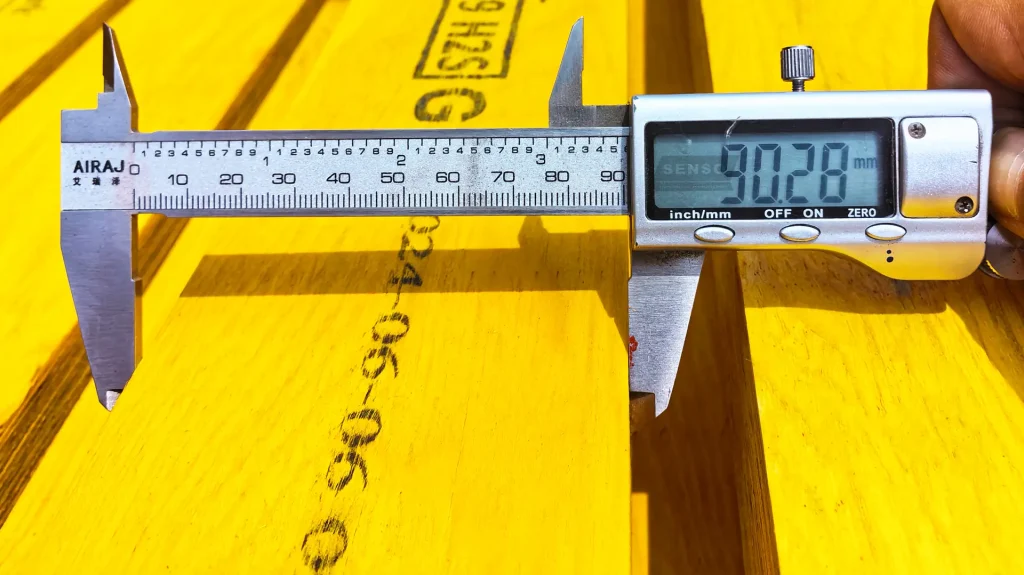
A safer order starts with the job. A header above a wall opening, a formwork bearer, a scaffold plank, and an I joist flange all need different checks. The best LVL beam sizes are the ones that match the load path, handling method, and supply plan.
Why Size Checks Start Before The Quote
Many LVL order problems begin before the supplier receives the purchase order. The buyer may send only a section size and quantity. That can work for repeat stock, but it is risky for a new project. Beam size should connect with span, load path, support detail, moisture exposure, and handling method.
Laminated Veneer Lumber is made from thin veneers bonded into long billets. The grain usually runs along the member length. This gives LVL strong value as a long structural member. Even so, the correct section depends on design use. A larger member is not always the best answer. The right member is the one that fits the project and can be supplied consistently.
Buyers who are still comparing product choices can review the SENSO Laminated Veneer Lumber buying guide for a broader view of LVL order risk, packing, and product selection.
How LVL Beam Sizes Change With Thickness Depth And Length
Thickness, depth, and length are often grouped together, but each one affects the order in a different way. Thickness can affect fixing, joining, and product layout. Depth often has a larger effect on bending performance. Length affects container loading, storage, handling, cutting loss, and site planning.
For wholesale buyers, repeat sections matter. A distributor may sell the same size to several contractors. If one container arrives with mixed marks, poor labels, or unstable bundles, the stock becomes harder to manage. Therefore, LVL beam sizes should be checked with packing and marking at the same time.
SENSO structural LVL timber supports buyers who need planned dimensions for construction supply, framing work, formwork systems, and engineered wood use. Before confirming, buyers should send the full size list, not only the main section.
Project Use Changes The Best Size
The same size may work well in one application and fail the buying logic in another. A formwork beam may face repeat handling, site moisture, and concrete pressure. A framing beam may need clear design values and local approval. A scaffold plank needs safe support and reliable bearing. Because of this, size choice should follow the use case.
For this reason, LVL beam sizes should be reviewed with the final use in mind. A stock beam and a project beam may look similar, yet they can serve very different buying needs.
For concrete work, straightness and repeat sizing help crews hold shape and line. Buyers can compare SENSO Form LVL beam options when the main need is concrete support. For floor or roof systems, the size may need to match I joist flange use, spacing, and factory assembly needs.
It also helps to confirm whether the order is for one project or repeat stock. Project stock can be sized for a specific job. Distribution stock often needs a more common size range that contractors can use across many sites.
Size Details Buyers Should Compare
A size table is useful, but it should not replace technical review. The better approach is to compare each section against project conditions, packing needs, and repeat supply goals. This helps buyers see more than the first price.
| Size factor | Why it matters | Buyer check |
|---|---|---|
| Thickness | Affects fixing, joining, and section layout | Confirm fastener and connection needs |
| Depth | Often affects beam bending performance | Match span and load requirement |
| Length | Affects loading, storage, handling, and cutting waste | Check project cut list and container plan |
| Tolerance | Controls fit and repeat use | Ask for allowed size variation |
| Bundle size | Affects stock control and site unloading | Review bundle weight and marking |
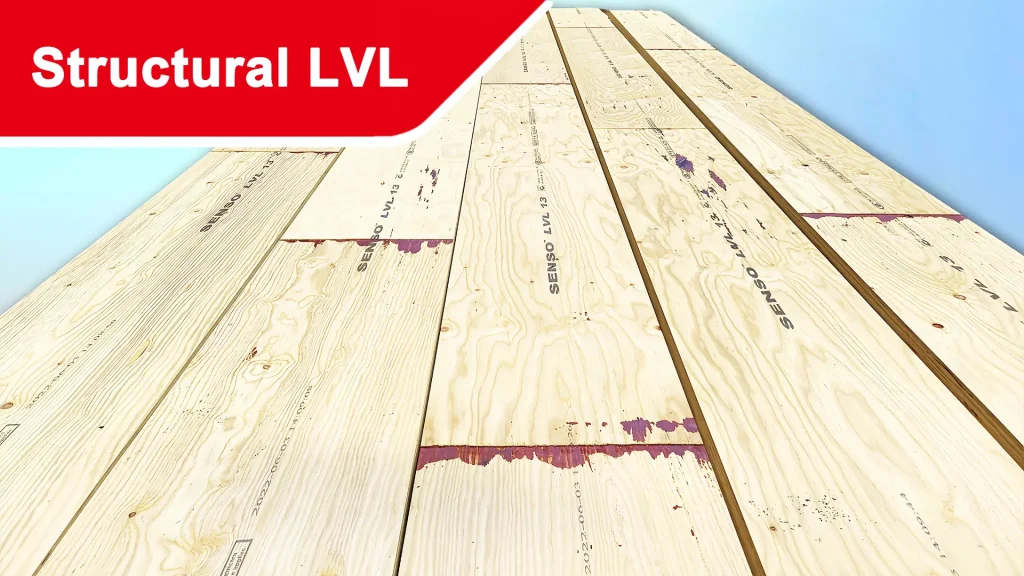
This table also helps buyers avoid a common mistake. They may compare two quotes with the same nominal section, yet the tolerance, packing, grade, and marking may differ. Those details can change the real order value.
Specification Gaps That Add Hidden Cost
A cheap price can hide missing information. If the order does not state grade, moisture control, packing method, marking, and loading plan, the buyer may receive material that is hard to use. On a busy site, these gaps can create delay and dispute.
Clear size data also helps the supplier plan production. If mixed sizes go into one container, the loading sequence should be planned. Heavy bundles should not damage lighter sections. Labels should stay visible after transport. In addition, long beams need enough protection against bending or edge damage.
The APA structural composite lumber resource explains LVL as an engineered wood product used for beams, headers, rafters, scaffold planks, and I joist flange material. This makes specification control important before any shipment leaves the factory.
Export Packing Should Match The Size List
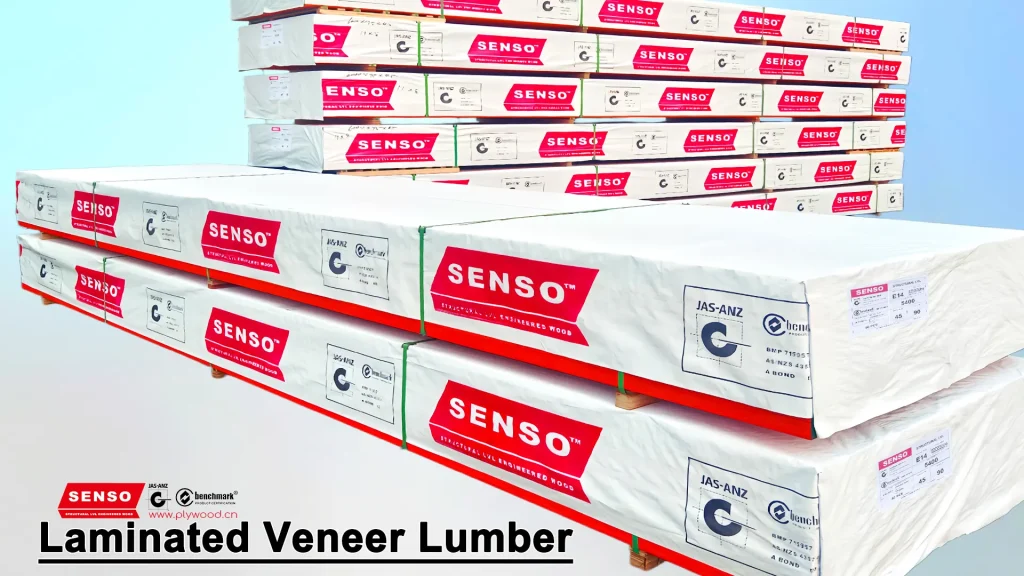
Packing is not a small detail for long engineered timber. Bundle weight, wrapping, end protection, pallet support, label position, and loading sequence all affect how the material arrives. When LVL beam sizes vary inside one container, the packing plan becomes even more important.
Good packing protects the order and keeps unloading clear. It also helps a wholesaler separate stock faster. Poor packing can turn correct material into a warehouse problem. Therefore, buyers should ask about bundle plans before the final invoice, not after loading.
For responsible sourcing needs, buyers should confirm certificate requirements early. The FSC official site gives general information on forest certification. Late document requests can affect paperwork, lead time, and cost.
How SENSO Helps With Size Based Orders
SENSO supports LVL buyers with size review, product selection, packing discussion, and export supply planning. This is useful for buyers ordering mixed sizes, repeat wholesale stock, or project based sections. A clear order reduces the risk of wrong beams, weak bundles, and slow unloading.
The best request includes product type, thickness, depth, length, grade need, quantity, destination port, packing request, and final application. If the use is not clear, SENSO can help buyers decide whether the order suits Frame LVL, Form LVL, scaffold plank, I joist material, or another engineered wood beam option.
Buyers can send the LVL beam size list before confirming the next container. That early check can save time later and help match the order to the real job.
Common Questions About LVL Beam Sizes
What LVL beam size should I order?
The correct size depends on span, load, support condition, application, grade, and local design rules. Buyers should confirm the section before ordering.
Can one LVL size suit many projects?
Some common sizes suit repeat stock, but project use still matters. A distributor should separate stock sizes from job specific sizes.
Do LVL beam sizes affect packing?
Yes. LVL beam sizes affect bundle weight, wrapping, labels, loading space, and unloading speed. Buyers should review packing before confirming the final order.
Why does LVL length matter for export orders?
Length affects container loading, bundle handling, storage, cutting waste, and damage risk. Long members need careful packing and loading plans.
A Better Size List Before The Next Quote
A strong LVL order starts with a complete size list and a clear use case. Before comparing offers, buyers should check thickness, depth, length, grade, tolerance, packing, and repeat supply needs. When these points are clear, LVL beam sizes can be compared with real project value. When they are missing, the lowest quote can become the most expensive stock on site.
Post time: May-15-2026