LVL Wholesale decisions rarely fail on the invoice. They fail later, when the load list changes, the lengths do not suit the cut plan, or the paperwork does not match the goods. That is why smart buyers do not start with price alone. They start with fit. The right wholesale partner gives you stable grade, clean packing, clear stamps, and a supply plan that still works when orders grow.
If you buy for a timber yard, a project distributor, or a building contractor, you need more than cheap material. You need repeatable quality. You also need fast answers when clients ask about sizes, span guidance, compliance, or chain of custody. Good LVL supply supports sales, protects margin, and keeps site complaints low.
The cheapest quote often costs more later
A low LVL price can hide three expensive problems. First, the grade may be unclear. Second, the tolerances may drift from pack to pack. Third, the supplier may not hold stock or manage production well. In wholesale trade, those three issues create the same result. You lose time, your buyer loses trust, and your margin disappears into rework, claim handling, or delayed delivery.
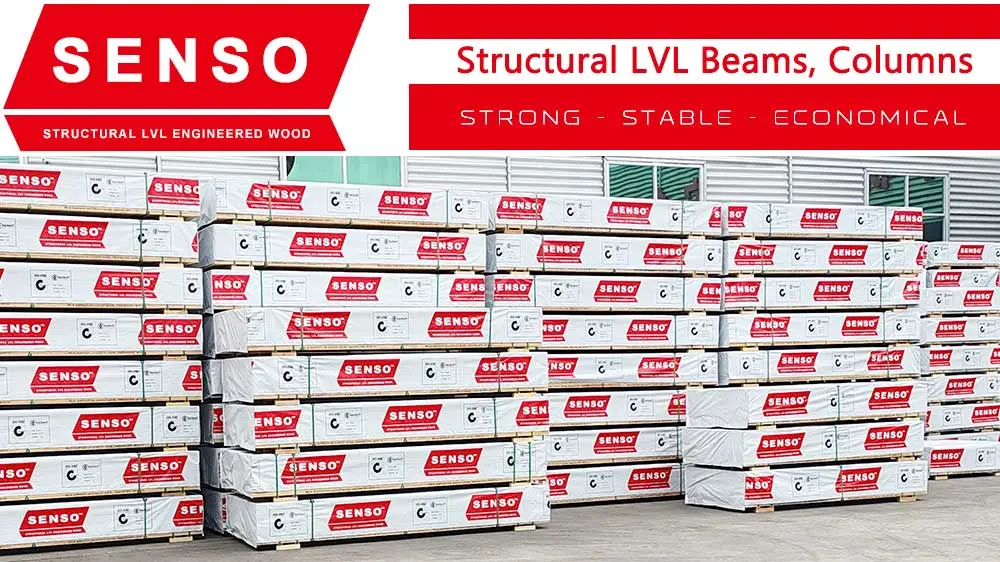
By contrast, a strong supplier helps you price jobs with confidence. Straight pieces cut waste. Consistent depth and width reduce site adjustment. Reliable branding and documents support easier inspection. Over time, that matters more than a small unit saving. In other words, the best LVL Wholesale option is usually the one that lowers total risk, not the one that gives the lowest first number.
Good LVL wholesale is not a cheap board deal. It is a stable supply system.
Start with the order brief before you compare quotes
Before you ask for price, lock the order brief. That single step removes half the confusion in LVL Wholesale buying. Confirm the end use first. Is the order for framing, formwork, floor systems, lintels, or mixed yard stock? Then confirm grade, section size, target lengths, treatment need, moisture condition, edge finish, stamping, and destination market. A supplier who prices without those basics is pricing blind.
- Application and market
- Target grade and load expectation
- Section sizes and preferred lengths
- Treatment or sealing requirements
- Branding, labels, and mill stamps
- Document pack needed before shipment
- Container loading plan and delivery window
| What to check | Weak supplier signal | Strong wholesale partner signal |
|---|---|---|
| Quote detail | Only unit price and volume | Grade, size, tolerance, lengths, packing, lead time |
| Technical support | Generic answers | Can discuss sizes, spans, and use cases clearly |
| Compliance | Claims only | Can show test, certification, or chain documents |
| Range depth | One narrow item line | Can support framing, formwork, and related LVL needs |
| Packing | Loose description | Clear pack counts, marks, and loading method |
| Order continuity | No plan after first order | Repeat supply and custom length discussion |
The paperwork tells you how much risk you are buying
LVL is an engineered wood product, not a rough commodity. So the paperwork matters. Ask what standard the product is made to, what the grade means, and how the supplier proves consistency. In Australia and New Zealand, structural LVL is commonly discussed against AS NZS 4357 requirements. If a supplier cannot explain moisture range, bond quality, tolerances, or structural verification in simple terms, that is a warning sign.
Sustainability claims also need proof. If your buyers ask for responsible sourcing, do not accept a logo on a brochure alone. Ask how chain of custody is handled and what claim can appear on sales documents. This is especially important for merchants, project suppliers, and export buyers who must pass the paper trail to the next customer.
For technical background, you can reference APA’s LVL overview, the AS NZS 4357 standard page, and the FSC chain of custody page when explaining product type, structural control, and certified material flow to your buyers.
One LVL Wholesale or three factories
Many buyers first ask for one LVL item. Later, they also want another line. A framing customer starts asking about formwork. A floor frame buyer asks about beam sizes. A yard that stocks structural members wants a premium stud option next season. That is why range depth matters in LVL Wholesale. A supplier with broader capability helps you grow the account without restarting the sourcing process.
On this site, that broader structure is already visible. Buyers can move from Frame LVL to Form LVL, then to practical reading such as the LVL Beam Sizes Comparison Guide and the LVL Beam Span Tables. That kind of product plus knowledge path helps conversion because buyers do not only see stock. They also see support.
Look closely at packing lead time and cut accuracy
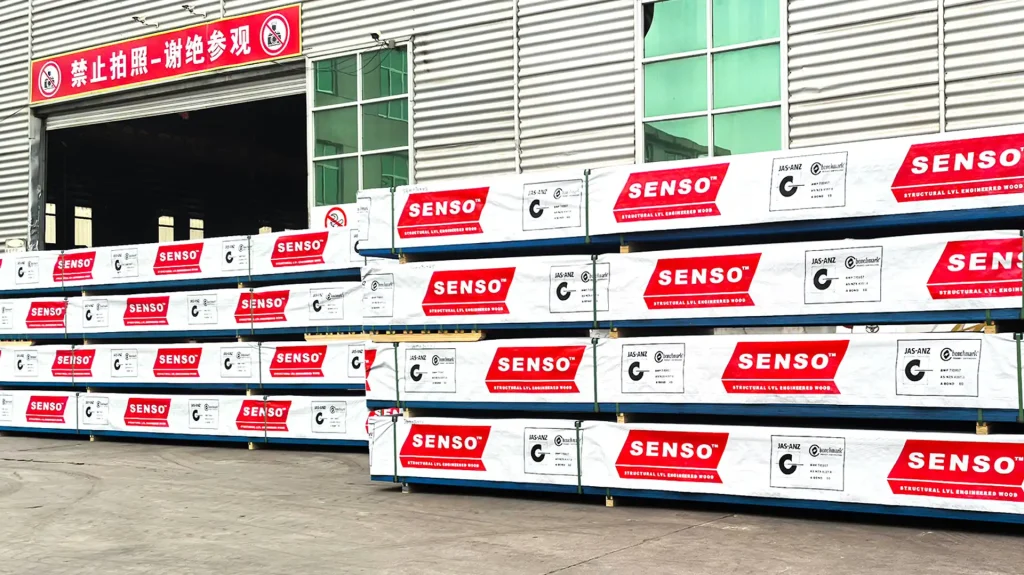
Wholesale success often depends on details that are easy to miss during negotiation. How pieces are counted per pack. How lengths are grouped. Whether mixed sizes can be marked clearly for unloading. Also ask what happens when you need custom lengths or repeat cut lists. A serious supplier will answer these points early, because they affect container yield, warehouse handling, and final site speed.
Lead time should also be broken into parts. Stock lead time and mill lead time are not the same. Export booking time is another issue. If the supplier can only give a vague total lead time, the risk sits with you. Better suppliers explain what is ready now, what needs production, and what can be scheduled for repeat orders. That is often where the real value in LVL Wholesale shows up.
A quick scorecard before you place the deposit
- Is the grade clearly defined for the target market?
- Are size tolerance, moisture, and bond quality discussed clearly?
- Can the supplier support repeat lengths and future mixed orders?
- Are stamp, label, and document requirements confirmed in writing?
- Is the packing plan clear enough for fast unloading and stock control?
- Does the supplier offer technical support, not only sales talk?
If you cannot answer yes to most of those questions, keep looking. A better partner will save more than they cost.
LVL Wholesale FAQ
What is the first thing to check in LVL Wholesale buying
Check whether the quote matches the real end use. Grade, size, length, and market must be clear before price means anything.
Does the lowest LVL price usually give the best value
No. The best value comes from stable quality, clean documents, good packing, and repeat supply.
Why do compliance papers matter so much
They reduce claim risk, support inspections, and help your customer trust the product before and after delivery.
Should I buy from a supplier with a wider LVL range
Usually yes. A wider range makes future orders easier and helps you grow the account without changing factory systems.
Choose the partner that helps you sell again
The best LVL Wholesale option is the one that still looks good after the first container lands. Look for a supplier that can explain grade, back up claims, hold quality, and support the next order as well as the first. If you want long term margin, buy from the partner who makes repeat business easier for your yard, your project team, and your end customer.
Does the lowest LVL price usually give the best value
No. The best value comes from stable quality, clean documents, good packing, and repeat supply.
Why do compliance papers matter so much
They reduce claim risk, support inspections, and help your customer trust the product before and after delivery.
Should I buy from a supplier with a wider LVL range
Usually yes. A wider range makes future orders easier and helps you grow the account without changing factory systems.
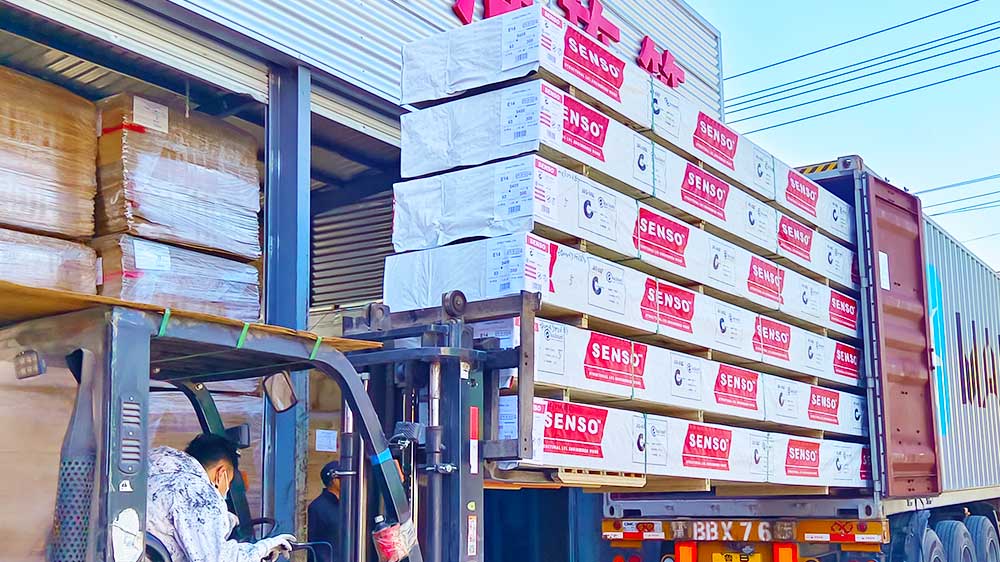
Choose the partner that helps you sell again
The best LVL Wholesale option is the one that still looks good after the first container lands. Look for a supplier that can explain grade, back up claims, hold quality, and support the next order as well as the first. If you want long term margin, buy from the partner who makes repeat business easier for your yard, your project team, and your end customer.
Post time: Apr-13-2026