
Form LVL Beam is a critical material for concrete contractors seeking reliable formwork solutions. This technical guide explains what these beams offer, how they compare to other materials, and when to use them for your construction projects.
Concrete work demands strong, reliable support. You have tried timber beams, but they bow under pressure. Steel is an option, though it costs too much. Is there a better solution?
Form LVL beams give you strength without the high price tag. These engineered beams handle the load effectively, and they can be reused many times. This guide explains why more contractors switch to Form LVL beams for their formwork projects.
What Is a Form LVL Beam
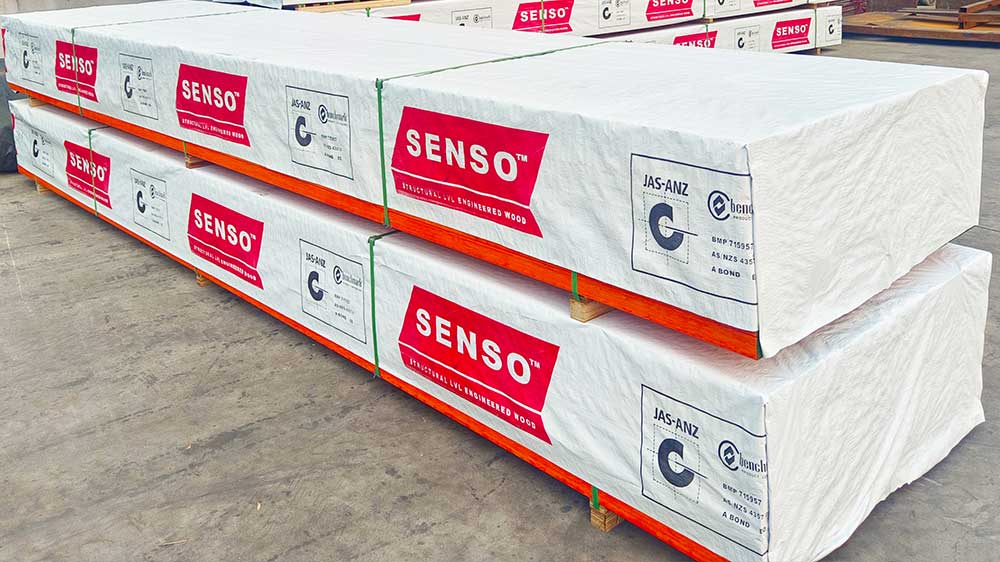
Form LVL beams are laminated veneer lumber products specifically made for concrete formwork. They bear the weight of wet concrete, and they create smooth, level surfaces. Engineered for repeated use, these Form LVL beams perform consistently across multiple projects.
Each beam consists of multiple wood layers glued together under high pressure. The grain runs in the same direction, which gives maximum strength along the beam’s length. Because the gluing process creates a stable product, Form LVL resists warping better than solid timber.
Standard sizes fit common formwork systems, and these beams cut like regular timber. Builders can nail them without special tools, yet the performance matches engineered wood with consistent strength. This combination makes Form LVL popular among concrete contractors who need reliable results.
During manufacturing, each layer gets inspected for defects. Only clean, straight grain goes into Form LVL beams, and this quality control ensures predictable performance on every job.
Key Form LVL Advantages Over Traditional Materials
Contractors choose Form LVL beams for several compelling reasons. These advantages translate into real cost savings and better project outcomes for concrete work.
Consistent Strength
Natural timber varies in strength, so one beam might be strong while another is weak. Form LVL eliminates this guesswork because every Form LVL beam has the same rated capacity. Engineers can specify exact loads with confidence.
Dimensional Stability
Moisture makes timber move, causing it to swell, shrink, and warp. Form LVL resists these changes since the glue locks the layers in place. As a result, you get straighter forms and better concrete finishes.
Extended Form LVL Lifespan
A single timber beam might last three to five uses, but Form LVL beams easily exceed twenty uses with proper care. The extra life dramatically reduces material costs over time.
Lighter Weight
Steel beams are stronger, yet they are heavy and require cranes or forklifts to move. Form LVL beams weigh significantly less, and two workers can handle typical sizes. This reduction in weight also lowers equipment needs and labour costs.
Where Form LVL Beams Excel in Construction
Form LVL beams serve many applications, and they work particularly well in certain situations. Understanding where they excel helps you use them correctly.
Floor Slab Applications
Floor slab forms rely on these beams to support the weight. They span between props effectively, and they handle concrete weight evenly across the entire surface. For typical residential floors, Form LVL beams perform excellently. They create flat, stable platforms for concrete placement.
Wall Form Projects
Wall forms need strong backing to resist lateral pressure. Form LVL provides that backing, and the beams stay straight during the pour. They handle the push of wet concrete without bulging. In practice, this results in plumb walls with clean edges.
Bridge Deck Construction
Larger infrastructure projects use these beams for bridge decks because longer spans require consistent strength. Form LVL delivers the performance needed, and engineers specify them for their predictable performance. At the same time, the cost remains reasonable.
Commercial Ceiling Forms
Commercial buildings often need wide ceiling forms, and these beams span large areas without intermediate supports. The design reduces the need for many props, which speeds up the job. Moreover, it frees up floor space for other work.
Precast Panel Production
Precast concrete plants use Form LVL beams extensively. Repeated use makes cost efficiency critical, and these beams withstand the constant pouring and stripping cycle. They maintain their shape job after job, which reduces replacement costs.
Form LVL Beam Technical Specifications
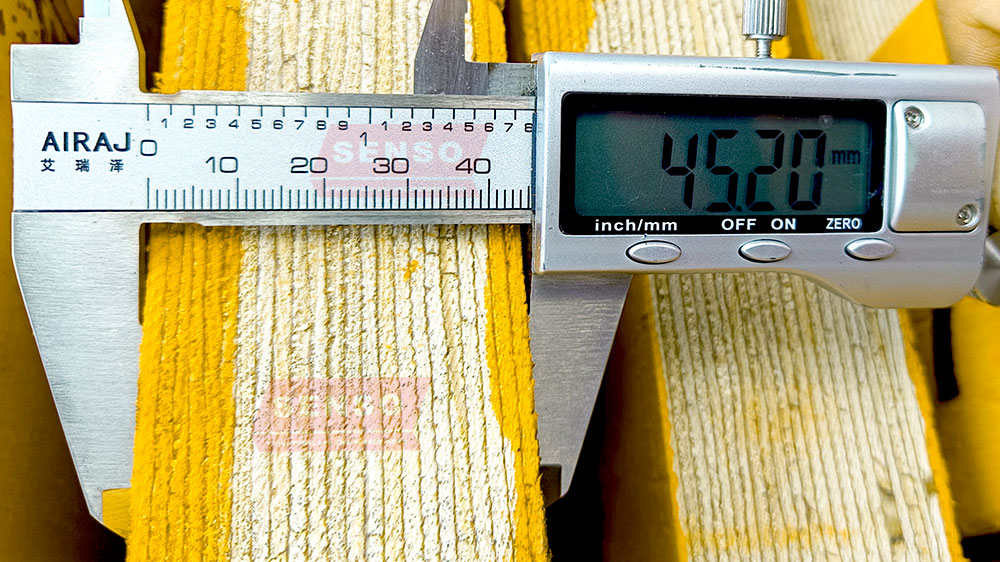
Knowing the numbers helps you choose the right product. Here are typical Form LVL beam specifications that contractors work with.
| Property | Typical Value | Notes |
|---|---|---|
| Depth | 200mm to 400mm | Standard range available |
| Width | 90mm to 100mm | Flange width |
| Length | 3.0m to 12.0m | Custom lengths available |
| Load Capacity | 15 to 45 kN/m | Varies by span |
| Elastic Modulus | 12,000 to 14,000 MPa | Engineered strength |
| Grade | F17 or higher | Structural rating |
| Weight | 5 to 8 kg per metre | Light handling weight |
These values are typical for standard products, but you should always check specific data sheets for your chosen beam. Engineering calculations for your project may require different sizes or grades.
Form LVL Compared to Other Formwork Materials
How does Form LVL compare to alternatives? This detailed comparison helps you decide when to use each material for your projects.
| Factor | Form LVL Beam | Timber Beam | Steel Beam |
|---|---|---|---|
| Strength | High | Medium | Very High |
| Reuse Count | 20+ times | 3 to 5 times | 50+ times |
| Cost per Use | Low | Medium | Low |
| Weight | Light | Medium | Heavy |
| Installation | Easy | Easy | Skilled Labour |
| Warping Risk | Low | High | None |
| Availability | Good | Excellent | Good |
Form LVL beams hit a sweet spot for most concrete work. They cost less than steel upfront, and they last longer than timber. For typical construction projects, they offer the best balance of performance and value. According to APAwood, engineered wood products like LVL provide consistent structural performance.
Common Form LVL Installation Mistakes
Even experienced contractors sometimes make errors with Form LVL beams. Avoiding these mistakes ensures better results and extends beam life.
Overloading the Beam
Every beam has a rated capacity, so exceeding this capacity causes bending or failure. Always check span tables before installing. When in doubt, use a stronger beam or add more supports.
Incorrect Storage
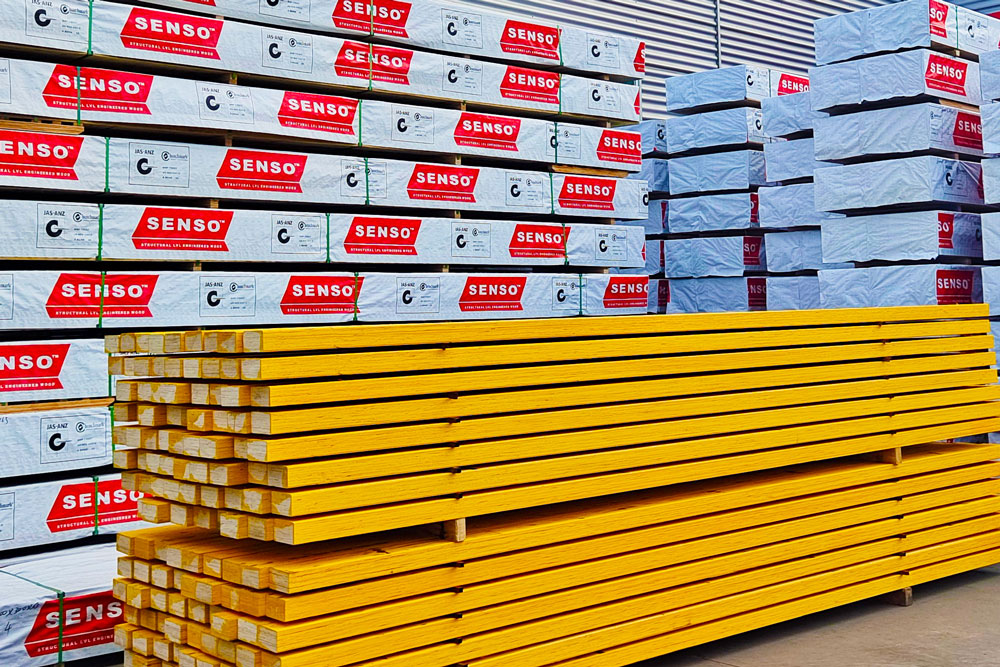
Leaving beams in rain causes water damage, and stacking them improperly leads to warping. Store beams flat, off the ground, and covered. Good storage protects your investment.
Improper Cutting
Notches and holes weaken beams, and large cuts near supports cause problems. When cutting is necessary, follow engineering guidelines. Avoid cutting the flanges or bearing points.
Skipping Inspection
Used beams develop problems over time, and cracks, delamination, or water stains weaken the structure. Inspect every beam before each use. Remove damaged beams from service immediately.
Getting the Best Form LVL Performance
Proper handling extends beam life significantly. Follow these practices to maximize your return on investment.
- Store beams flat and covered
- Keep away from direct sunlight
- Use appropriate connectors and brackets
- Do not overload beyond rated capacity
- Clean concrete residue after each use
- Inspect for damage regularly
- Replace beams with cracks or delamination
- Apply form release agent before each pour
- Avoid dragging beams across rough surfaces
- Stack neatly when not in use
Well-maintained beams last for years, and the initial cost spreads over many projects. This makes Form LVL an economically attractive choice for serious contractors.
Reducing Formwork Costs with Form LVL
Every contractor wants to lower costs without sacrificing quality. Form LVL beams help reduce expenses in several ways.
First, they reuse many times, so the cost per use drops dramatically with each cycle. Second, they install quickly because they are lightweight and easy to handle. Less labour means lower project costs. Third, they reduce waste because you replace them less often than timber.
Calculate your cost per use before buying. Factor in labour savings and replacement costs. In practice, the numbers often favour Form LVL over traditional timber beams.
Form LVL Standards and Certifications
Quality beams meet recognized standards, and these standards ensure consistent performance and safety across all products.
AS 1720.1: This Australian standard covers timber structures, defining strength grades for engineered timber products including Form LVL beams. For more information, visit Standards Australia.
AS 3660: This addresses termite resistance in timber products. Some Form LVL beams receive chemical treatment, so check if your application needs termite-resistant beams.
ISO 9001: This certification ensures quality management in manufacturing. ISO-certified producers maintain consistent product quality. The International Organization for Standardization provides these certifications.
FSC Certification: This proves responsible forest sourcing. It matters for projects with environmental requirements or green building ratings. Learn more at FSC.
Always request compliance documentation from your supplier. Quality providers readily supply this information. If they cannot provide certification, find another source.
Choosing the Right Form LVL Beam
Different projects need different beams. Use this guide to match the product to your specific requirements.
- Residential floors: 200mm depth, standard grade, typical spans up to 4m
- Commercial slabs: 300mm depth, higher grade, spans up to 6m
- Long spans: 400mm depth, engineered specification, spans over 6m
- Wall forms: 240mm depth, heavy-duty grade, high lateral load resistance
- Bridge work: 350-400mm depth, premium grade, engineered for specific loads
When in doubt, consult a structural engineer. They calculate the correct size for your specific loads and span conditions. Spending time on proper selection prevents failures and costly rework. For related reading, see our LVL beam sizes comparison guide.
Making the Most of Your Form LVL Investment
Form LVL beams represent a smart investment for concrete contractors. They balance strength, cost, and reusability in a way that benefits most projects. When used correctly, they perform reliably job after job.
Consider your specific project requirements before purchasing. Calculate cost per use for your situation, and choose beams that match your actual loads and span lengths. Proper selection saves money and prevents problems on site.
SENSO supplies Form LVL beams for Australian contractors. Our products meet all relevant Australian standards, and we help you select the right beam for your specific application. Contact us for a quote tailored to your project needs. For timber floor framing options, visit our timber floor frame buyers guide.
Post time: Apr-06-2026