

You are standing in front of a 3m wide garage opening. The plans call for a header beam. Your timber merchant is waiting for your order. But you are not sure—what size LVL header do you actually need?
This happens on every job. Furthermore, wrong header size means bounce, sag, or worse—costly structural fixes. As a result, this guide helps you order the right LVL header in minutes, not hours.
Whether you are a builder, contractor, or DIY homeowner, choosing the correct LVL header is critical. In fact, the header carries the load above your opening. Consequently, too small means sag and too big wastes money. Getting it right saves both stress and cash.
LVL headers have replaced traditional timber for good reason. Specifically, they are straighter, stronger, and more consistent. Moreover, they meet the ISO 74538 standard for engineered wood products. This guide covers everything you need to know about selecting and ordering the right LVL header for your project.
Quick Reference: LVL Header Sizes
Use this table to match your opening width to the recommended LVL header size. However, these are general guidelines—always confirm with your structural engineer.
| Opening Width | Recommended LVL Header | Typical Use |
|---|---|---|
| 900mm – 1.2m | 140 x 45mm | Doors, small windows |
| 1.2m – 2.4m | 140 x 90mm or 190 x 45mm | French doors, wide windows |
| 2.4m – 3.0m | 190 x 90mm or 240 x 45mm | Garage doors, large openings |
| 3.0m – 3.6m | 240 x 90mm or 300 x 45mm | Double garage, wide garage doors |
| 3.6m+ | 300 x 90mm or multi-ply | Commercial, extra wide |
These sizes assume standard residential loads (1.5kPa live load). Additionally, heavy finishes like stone or tile require upsizing by one step. Two-story construction also needs consideration—therefore, loads are higher and headers must be sized accordingly.
The LVL header sizes above are starting points. Nevertheless, your specific job may need different sizing based on roof type, floor loads, and wall construction. Always, defer to your engineered drawings.
Remember: when in doubt, go up a size. The cost difference is minimal compared to structural failure repairs.
Choosing the Right Header for Your Opening
Not all openings need the same header. Here is how to match your situation:
Standard door openings (900mm-1200mm). A 140x45mm LVL header handles most single doors. Also, this fits standard door frames and does not require extra blocking. Most interior doors fall into this category.
French doors and wide windows (1200mm-2400mm). Jump to 140x90mm or 190x45mm. Because these openings carry more load from the surrounding wall, the extra depth provides stiffness needed for wider spans.
Single garage doors (2400mm-3000mm). Use 190x90mm or 240x45mm. Since garage doors are high-traffic openings, they need extra rigidity to prevent sag from repeated use and vibration.
Double garage doors (3000mm+). Go 240x90mm or 300x45mm. For example, some jobs need multi-ply headers—two or three LVL pieces bolted together. Obviously, your engineer will specify.
Renovation openings. When removing walls, existing load paths change. Consequently, the new LVL header must carry what the wall used to support. In fact, this often means upsizing compared to new construction.
Two-story openings. Headers on the ground floor of two-story homes carry both roof and upper floor loads. Therefore, these always need upsizing compared to single-story.
What Drives LVL Header Costs?
Understanding cost factors helps you budget accurately and avoid surprises:
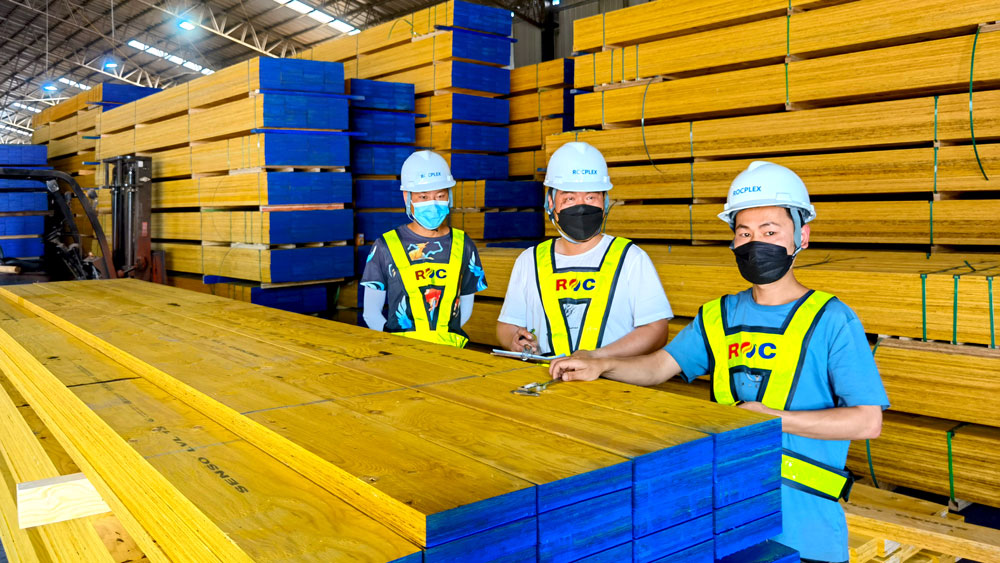
Size and depth. Deeper headers cost more. Yet, a 140x45mm header is cheaper than 190x90mm. However, going too small costs more in callbacks. Budget for the right size first time.
Grade. LVL 10 is standard for most residential. LVL 13 costs more but spans further. Choose based on engineering requirements, not personal preference. Similarly, the APA Wood organization sets standards for engineered lumber.
Length. Longer headers cost more. Sometimes merchants charge a premium for non-standard lengths. Check availability before ordering.
Treatment. H2 treated headers cost extra. Use treated LVL for external walls or wet areas. Internal walls usually need untreated. Notably, the treatment protects against rot and termites.
Quantity. Bulk orders get better rates. If you are framing a whole house, order all headers together. Otherwise, single header orders often have minimum fees.
Delivery. Long headers need special delivery. Factor in transport costs, especially for sites with difficult access.
Where LVL Headers Are Used
LVL headers appear in all types of residential construction. For instance, knowing the applications helps you identify opportunities:
- Door openings—entry doors, interior doors, sliding doors
- Window openings—standard windows, bay windows, picture windows
- Garage doors—single and double, with motor mounts
- Open plan modifications—removing walls to create larger openings
- Extensions—new structural openings in existing walls
- Commercial fit-outs—shop fronts, office partitions
Every opening that carries load above it needs a header. Otherwise, skipping this creates structural failure risk. Additionally, this applies to load-bearing walls only—non-bearing walls may not need headers.
In two-story homes, upper floor openings often need larger headers because they carry roof load plus upper floor load. Likewise, check with your engineer for specific requirements.
For more on floor framing systems, read our timber floor framing guide. Similarly, our LVL beam sizing guide covers complementary products.
Common Mistakes When Ordering Headers
Avoid these errors that cost time and money:
Undersizing. Choosing a header that spans too far leads to sag. Indeed, it is false economy. Meanwhile, the cost difference between sizes is small compared to repair costs.
Forgetting treatment. External walls need H2 treated LVL. Otherwise, using untreated header in external walls causes rot over time. Consequently, replacement is expensive.
Ignoring bearings. Headers need 45mm minimum bearing on wood, 90mm on concrete. Specifically, short bearings cause crushing failure. This is one of the most common structural failures.
Wrong hanger. Headers need proper structural hangers. Using the wrong type or size compromises the connection. Always use hanger rated for the header size.
Not checking plans. Engineering plans specify exact header sizes. Obviously, substituting without approval is not just risky—it may void insurance.
Assuming all walls are load-bearing. Some walls are non-structural. In contrast, headers are only needed for load-bearing walls. Check before ordering.
Header Installation Essentials
Even the best LVL header fails if installed incorrectly. Follow these basics:
- Check bearing length before setting the header
- Use steel connectors as specified by engineer
- Ensure studs are aligned for hanger attachment
- Apply Enseal or similar treatment to any cuts in treated LVL
- Wait for LVL to reach site moisture before installing
- Check level and alignment before permanent fastening
Proper installation ensures your LVL header performs as specified. Specifically, follow engineer details exactly. When in doubt, ask before proceeding.
Mark bearing points before hoisting the header into place. Otherwise, it is much harder to adjust once the header sits on the wall.
Your LVL Header Checklist
Before ordering, confirm these details with your builder or engineer:
- Opening width (clear span)
- Required header size from engineer
- LVL grade (LVL 10 or LVL 13)
- Treatment required (H2 for external, untreated for internal)
- Bearing conditions (wood or masonry)
- Connector and hanger types specified
- Delivery access and site restrictions
Having this information ready speeds up ordering and reduces errors. Similarly, keep this checklist on your clipboard for every header order.
For wall stud options, check our LVL studs guide. Additionally, our secondary joist comparison covers complementary framing products.
Ready to Order?
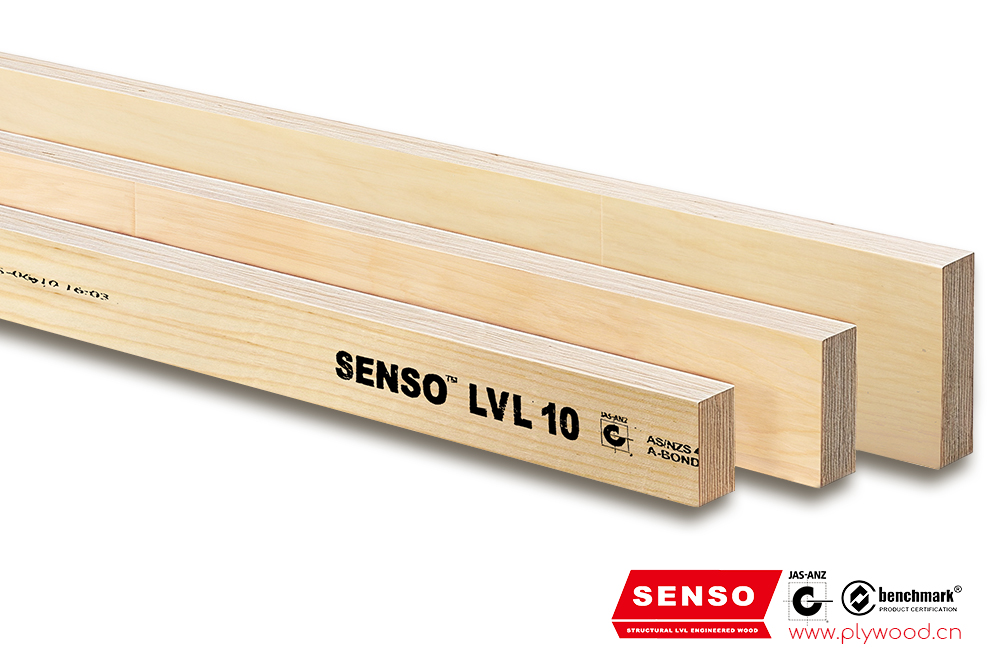
SENSO supplies quality LVL headers in various sizes. Furthermore, we help you match the right header to your opening. Our team understands the engineering behind header selection.
- LVL 10 and LVL 13 grades in stock
- H2 treated options available
- Standard and custom lengths
- Competitive wholesale pricing
- Technical support for sizing
- Fast delivery to your site
Contact our team for quotes on LVL headers. Additionally, we provide fast turnaround and delivery to your site. Tell us your opening sizes and we will recommend the right product.
Need help with sizing? Simply send us your opening dimensions and engineer specs. We will recommend the right LVL header for your job.
Post time: May-11-2026