

Picking the right LVL beam size affects your entire project. Wrong sizing means bounce, sag, or worse—costly call backs. This LVL beam span table guide walks you through span tables so you can choose with confidence.
What is an LVL Beam Span Table?
A span table shows how far a beam can go before it needs support. Engineers test every size under real loads. They publish results so builders know what works. Think of it as a cheat sheet for structural sizing.
LVL beats solid timber here. Every piece comes from the same process. No knots, no weak spots, no surprises. The ISO 74538 standard keeps quality consistent across batches.
This LVL beam span reference helps you pick the right size fast. Skip the complex calculations. Just match your span and load to the numbers below. It works for houses, sheds, extensions, and commercial frames.
Using a span table is simple. Find your beam size on the left. Read across to find your maximum span. That number assumes standard loads. Heavy finishes need a step up in size. This LVL beam span table gives you the answers in seconds.
Bookmark this LVL beam span. You’ll refer back to it on every job. It saves time and prevents mistakes. Print it out and keep it in your ute.
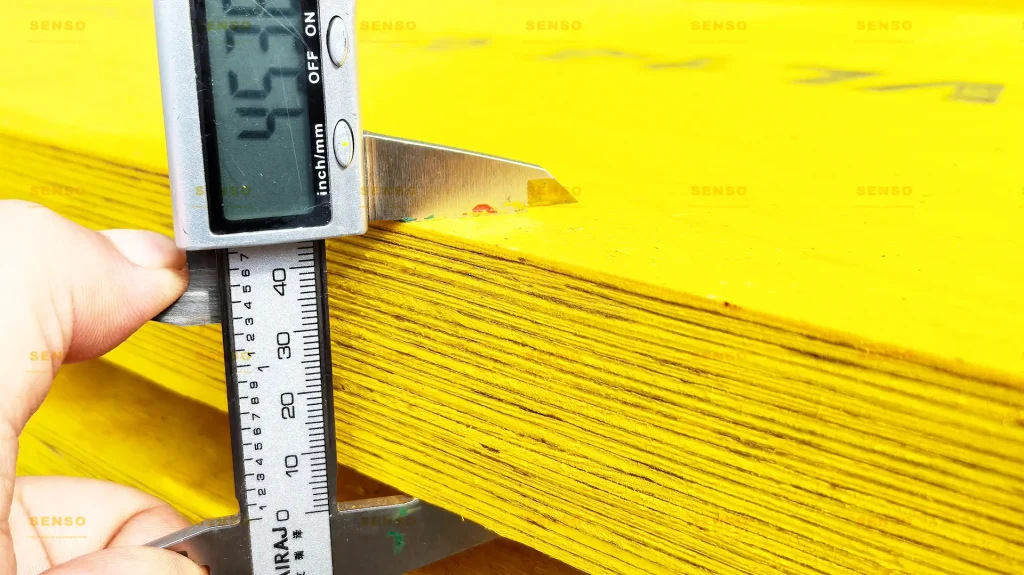
LVL Beam Span Chart
Use this chart as a starting point. Always verify with your engineer—local codes vary by region.
| Size | Floor Span | Roof Span | Use This For |
|---|---|---|---|
| 90 x 45mm | 3.6m | 4.2m | Studs, short spans |
| 140 x 45mm | 5.5m | 6.5m | Floor joists, small headers |
| 190 x 45mm | 7.2m | 8.5m | Garage doors, main beams |
| 240 x 45mm | 8.8m | 10.5m | Open plans, big openings |
| 300 x 45mm | 10.5m | 12.5m | Commercial, extra long spans |
These numbers assume 1.5kPa live load and 0.5kPa dead load. Heavy finishes need bigger beams. Think stone benchtops, large islands, tiled floors.
Got weird loads? Unusual spans? Talk to your structural engineer. They’ll run the numbers and confirm the right pick from the LVL beam span table.
Remember these are maximums. Going smaller is always safer. Going bigger costs more but gives you margin for changes later. Use this LVL beam span table as your baseline.
What Affects How Far a Beam Can Span?
Four things matter most when reading any LVL beam span table:
Load type. Floor loads and roof loads behave differently. Floors take people and furniture. Roofs take wind and snow. Your span table choice depends on what sits above.
Beam depth. Deeper beams span farther. Double the depth, get roughly four times the strength. This is the easiest way to fix a span problem.
Bearing. Ends need enough meat to rest on. Wood on wood needs 45mm minimum. Concrete needs 90mm. Skip this and you’ll see sagging within months.
Grade. SENSO LVL 10 gives you F17 equivalent strength. Higher grades exist for commercial jobs. The APA Wood standards cover all engineered lumber.
Quick Load Math
Two load types exist. Dead load is permanent—beam weight, flooring, walls. Live load is temporary—people, furniture, snow on roof.
Building codes set minimums. Most houses use 1.5kPa for floors. Check your local requirements though. Some areas demand more for snow loads.
Deflection matters too. Most floors should sag no more than span divided by 360. A 6m span can dip 16.7mm max before finishes crack. That number comes from every LVL beam span table out there.
Common Mistakes to Avoid
Builders mess up in a few ways. Here’s how to avoid them:
Underestimating loads. People add stone kitchens later. Plan for it now. Up-size the beam from the LVL beam span table if you think finishes might get heavy.
Short bearings. This kills beams. Always check the minimums. A 90x45mm beam needs 45mm bearing at each end.
Wrong hanger selection. Hangers must match the beam size. Don’t use a joist hanger meant for 140mm on a 190mm beam.
Ignoring lateral loads. Beams can buckle sideways. Blocking or strapping helps. Your engineer covers this.
Picking the Right Size
Door and window headers. Use 140-190mm deep for most houses. Garage doors need 190-240mm. Wider openings demand bigger beams.
Open floor plans. Modern houses want long spans. Expect to use 240-300mm beams here. The trade-off is stiffness for clean sightlines.
Commercial work. Bigger spans, heavier loads. Engineers usually spec 300mm+ or multi-ply bundles. Get structural input early in the job.
Need floor framing details? Our floor framing guide covers the basics. It works well with this LVL beam span table approach.
Planning a whole house? Check our LVL home design guide for framing tips. It covers walls, floors, and roofs.
Also consider our sizing comparison guide. It breaks down the differences between sizes.

LVL vs Other Materials
| Factor | LVL | Solid Pine | Steel |
|---|---|---|---|
| Span | Great | Okay | Best |
| Consistency | High | Variable | High |
| Easy to cut | Yes | Yes | No |
| Cost | Good | Low | Varies |
LVL gives you steel performance with wood tools. Most builders prefer it for residential work. It’s straight, strong, and predictable.
Solid timber moves. It twists as it dries. LVL stays put. That’s why pros trust the LVL beam span table over pine for important framing.
Steel costs more and needs special tools. Most residential jobs don’t need it. LVL handles typical spans with ease.
Where Builders Use LVL Beam Span Table
- Floor joists—main and secondary
- Roof rafters and ridge beams
- Door and window headers
- Load-bearing wall studs
- Commercial frames
Every job uses this LVL beam span table approach differently. Match the size to your loads. Your engineer will point you right.
Renovations often need beams replaced. The LVL beam span table helps you match existing sizes or go bigger for open plans.
Installation Tips
- Keep beams dry until install
- Use correct hangers and connectors
- Match bearing requirements
- Check level before fastening
Follow these and your LVL beam spanselections will perform as expected. Wrong hardware causes problems even with right-sized beams.
Mark bearing points before hoisting beams into place. It’s harder to adjust once the beam sits on the wall.
Why SENSO?
SENSO makes consistent LVL. Every beam tests the same. No twists, no warps, no surprises on site.
- Uniform strength across every piece
- Stays straight in all weather
- LVL 10 and LVL 13 grades available
- FSC certified option for green builds
Our team helps with sizing. Call or email for specific job advice. We’ll walk through the LVL beam span table with you.
LVL Beam Span Table Wrap Up
Span tables take the guesswork out of sizing. Use the chart above as a guide. Confirm with your engineer. Get the right LVL beam span table application, and your floors stay flat for decades.
SENSO backs every beam with consistent quality. Reach out for quotes or technical help. We’re here to help you get the right LVL beam span table results every time.
Post time: Mar-20-2026