
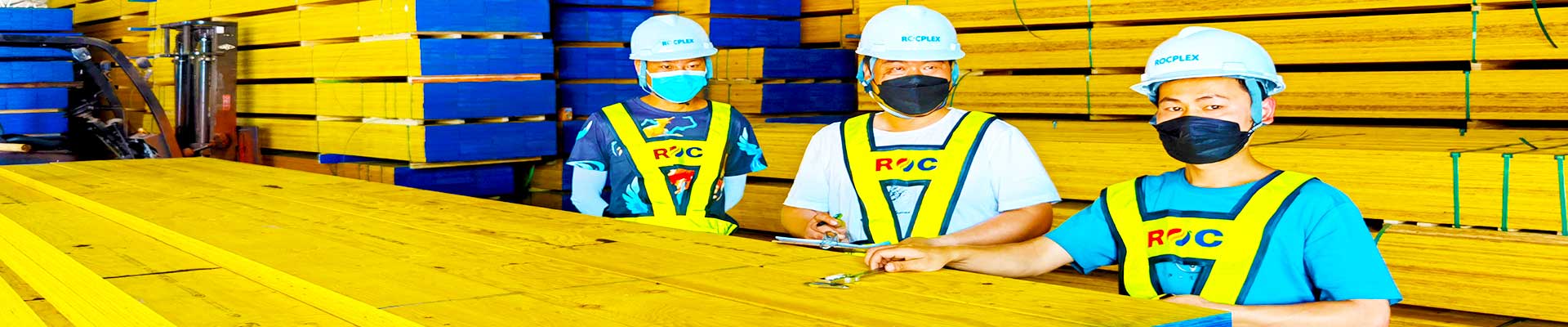
LVL studs vs pine framing MGP10 and MGP12
SENSO places clear focus on smarter wall framing with SENSO LVL studs 10. Across many markets, builders feel pressure from tight schedules, higher finish standards, and tight labour supply. Frames must go together fast, stay straight, and support demanding loads. Traditional pine framing still holds a large share in light construction and remains important. However, more crews now ask for a premium stud option that cuts down rework and callbacks. LVL wall studs answer that request in a practical and familiar way for site teams.
In this comparison, we look at LVL studs against MGP10 timber and MGP12 pine in typical projects. The goal is not to attack pine framing, which stays a good and economic material for many walls. Instead, this article explains where laminated veneer lumber offers enough benefit to justify the upgrade. It also shows how SENSO LVL studs 10 fit into normal supply chains for wholesalers and large builders.
Why the market looks at LVL studs differently
Housing design keeps changing year by year. Ceilings grow higher, openings get wider, and feature walls become standard items. At the same time, clients expect flat plasterboard, clean tile lines, and perfect cabinet reveals. Any twist or bow in a stud often turns into packing, sanding, or visible defects. That hidden cost now matters more than a small price difference on framing pieces.
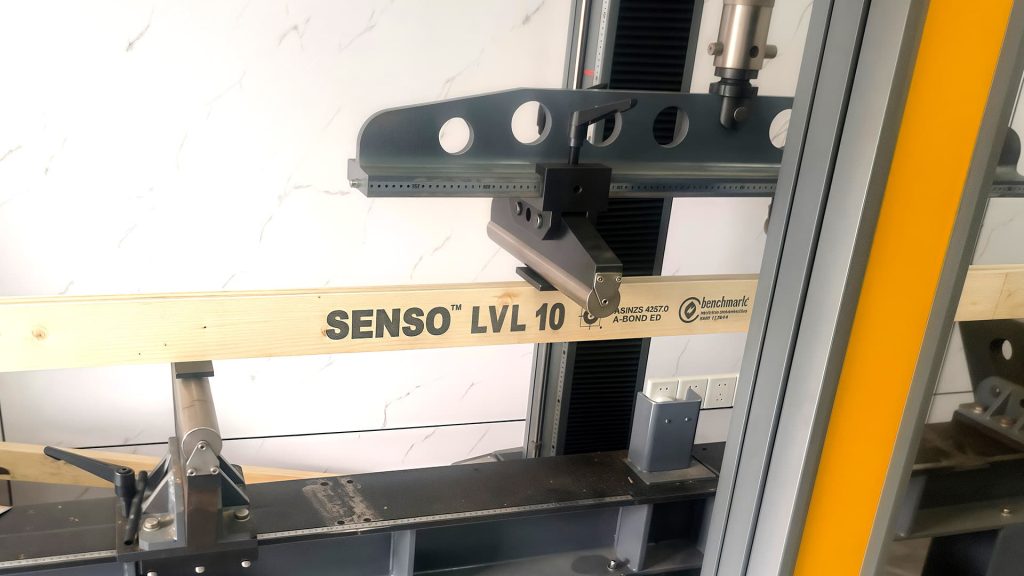
Designers and builders therefore pay closer attention to long term frame stability. LVL timber gives more uniform strength and stiffness compared with many solid boards. Instead of relying on one tree’s grain, the material uses thin veneers bonded together under pressure. This structure spreads natural defects and limits movement from moisture change. For busy framing crews, that shift brings more predictable wall performance and less frustration with problem studs.
How LVL and pine framing behave in walls
Pine framing starts as a solid board cut from a single log. Even after grading, each piece still follows its own grain and growth pattern. MGP 10 timber and MGP12 pine both meet clear strength rules and have a strong record in housing. Yet they still behave like natural wood on site. Changes in moisture can lead to bowing, cupping, or twisting while the frame waits for linings.
SENSO LVL studs 10 come from many thin veneers rather than one solid piece. All veneers run in the same direction, then bond under heat and pressure. This process delivers high and stable strength values with small variation between pieces. It also improves stiffness, which matters in tall walls and high load areas. Because each stud carries an engineered structure, movement from seasonal change stays much lower than with standard pine framing.
To make the contrast clear, the table below summarises key behaviour points.
| Property | LVL wall studs | MGP10 pine | MGP12 pine |
| Straightness on delivery | Very straight and consistent | Varies from pack to pack | Better than MGP10, still variable |
| Stiffness in tall walls | High stiffness, low deflection | Moderate stiffness | Higher than MGP10, below many LVL options |
| Moisture movement | Low movement when detailed well | Higher movement as boards dry | Similar to MGP10, sometimes slightly better |
| Sorting time on site | Minimal sorting, most pieces used | Regular sorting and rejection | Sorting still needed, often fewer rejects |
| Typical best use | Tall, tiled, or feature walls | Simple internal partitions | Taller walls where LVL is not yet adopted |
SENSO LVL studs 10 and MGP grades in simple terms
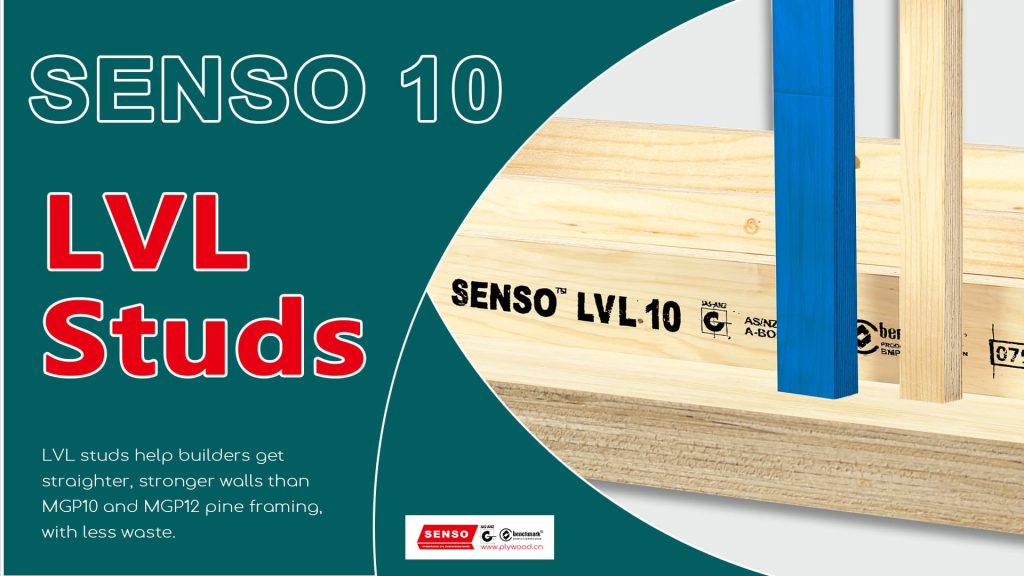
Strength grades sometimes confuse teams on site. Pine uses MGP grades such as MGP10 and MGP12. LVL usually uses E grades that relate to stiffness and design values. For many framing layouts, an LVL section with grade E10 gives performance that matches or exceeds MGP grades. Designers then gain more margin against deflection and long term creep in critical walls.
With SENSO LVL studs 10, this strength sits inside stud sizes that builders already know. Crews cut and fix these members with normal saws, nail guns, and brackets. There is no need for special blades, fasteners, or site training. That means a builder can keep usual methods and step up to an engineered stud in key walls. The change feels natural rather than disruptive for the framing gang.
Site speed and waste: where LVL studs save work
On busy projects, the true cost of framing rarely comes only from material invoices. Carpenters lose time when they sort through piles of bent or twisted pieces. They add more time when they straighten walls with clamps and packers before fixing sheeting. Every extra step slows the frame and pushes other trades back in the program.
LVL studs help restore a steady site rhythm. Packs of SENSO LVL studs 10 contain more usable pieces with little need for sorting. Crews pull from the pack, cut to length, and stand walls with fewer surprises. Once they brace and nail, the walls stay in line instead of drifting as they dry. Plasterboard, lining, and cladding then fix to straighter surfaces, which reduces patching and sanding later. Many contractors report that this stability also makes apprentice training easier, because the framing system behaves in a more predictable way.
The next table summarises typical waste and labour differences.
| Measure | LVL wall studs | Pine framing (MGP10 or MGP12) |
| Pieces rejected on site | Low percentage of the pack | Higher percentage, especially longer lengths |
| Time spent sorting | Short and simple | Longer, needs experienced eye |
| Extra planing and packing | Rare except for special details | Regular in tiled rooms and feature areas |
| Likelihood of callbacks | Lower due to stable walls | Higher where walls move after lining |
| Impact on schedule | Supports smooth, reliable progress | Risk of delays from rework |
Cost view: price per metre and total value
Pure material price still matters for every project. In most markets, LVL wall studs cost more per metre than MGP10 timber and usually more than MGP12 pine. If a buyer focuses only on that number, engineered studs can look like a luxury choice. However, price per metre tells only part of the story in real buildings.
A more useful view looks at total installed cost. This figure counts labour, waste, rework, and the chance of callbacks. When those elements enter the calculation, LVL studs often compare very well. Fewer rejected pieces cut waste allowances. Faster framing saves labour hours across the program. Straighter walls reduce plaster repairs, tiler complaints, and return visits for door and cabinet issues. In many projects, SENSO LVL studs 10 pay back their price gap through smoother jobs and cleaner schedules.
The following table sets out a simple cost picture.
| Cost factor | LVL wall studs | Pine framing |
| Material price per metre | Higher unit price | Lower unit price |
| Labour hours per house | Reduced framing and rework time | Higher time from sorting and straightening |
| Rework and callbacks | Less likely over medium term | More likely in high stress areas |
| Overall value, complex homes | Very strong value case | Strong only where finishes stay simple |
Design and durability benefits for tall and wet walls
Frames rarely live in perfect, dry conditions. During construction they stand open to rain and sun. After handover they face seasonal humidity changes, internal moisture, and service loads. Natural pine framing can handle many of these conditions, especially when treated correctly for termites and decay. Yet solid boards can still shrink and twist as they dry from site exposure and indoor climate shifts.
Engineered products bring extra control to these situations. SENSO LVL studs 10 use veneers dried to tight moisture limits before pressing. The press cycle and later conditioning keep the finished product within a narrow moisture range. As a result, these studs move less when they encounter wet and dry cycles on site. Combined with the right hazard treatment, LVL studs give strong resistance to termites and decay in common risk zones. For builders who work in coastal or tropical climates, this additional stability helps maintain straight frames. It also supports neat finishes over the life of the building.
Bathrooms, laundries, and kitchens benefit strongly from this stability. Full height tiles, large mirrors, and heavy cabinets all depend on flat, firm walls. Movement in the frame can crack grout, open silicone joints, or throw doors out of alignment. Using engineered studs in these spaces sharply reduces that risk without changing the overall layout of the house or apartment.
Where LVL studs shine and where pine still suits
The best framing strategy rarely uses a single material everywhere. Instead, smart builders mix products based on the demands of each area. LVL studs make the most sense where wall movement carries a high cost. That includes bathrooms and laundries with full height tiles. It also covers kitchen walls with heavy cabinets and feature walls with complex window layouts. Tall external walls in high wind areas, or any wall that supports large sliding door systems, also benefit.
Pine framing still wins in more basic segments. Simple internal walls, short partitions, and non critical areas can often stay with MGP10 or MGP12 pine. These studs remain safe and cost effective when loads are low and finishes forgive minor movement. The key lies in moving away from a one size fits all framing model. Instead, builders can use a layered approach: pine for standard zones, LVL stud for high value or high risk zones.
This practical split is shown below.
| Location in the house | Key concern | Recommended choice |
| Tall entry or living walls | Stiffness and line of sight | LVL wall studs or MGP12 with care |
| Bathrooms with full tiles | Movement behind finishes | LVL wall studs as first option |
| Kitchen cabinet walls | Fixing strength and straightness | LVL wall studs preferred |
| Short bedroom partitions | Basic acoustic and strength needs | MGP10 or MGP12 pine |
| Garage internal walls | Impact and cost balance | Mix of pine and LVL wall studs |
Why wholesalers like a two tier framing offer
Wholesalers see pain points from both directions. Builders ask for products that solve real site problems. Suppliers ask for stable volumes and reliable payments over time. SENSO LVL studs 10 give wholesalers a clear upgrade option that fits within current stock systems. The studs match familiar stud sizes, work with normal fixings, and suit existing design tables when engineers follow LVL data.
By adding LVL studs to a pine framing range, a wholesaler can open new conversations with key accounts. Sales teams can talk about labour savings, finish quality, and risk control rather than only unit price. They also strengthen their image as partners who bring solutions, not just materials. With SENSO as the manufacturing base, they gain support on technical data, branding, and long term supply planning. That mix makes SENSO LVL studs 10 a natural recommendation. Many customers say the business needs straighter walls and fewer framing headaches, and this product answers that need.
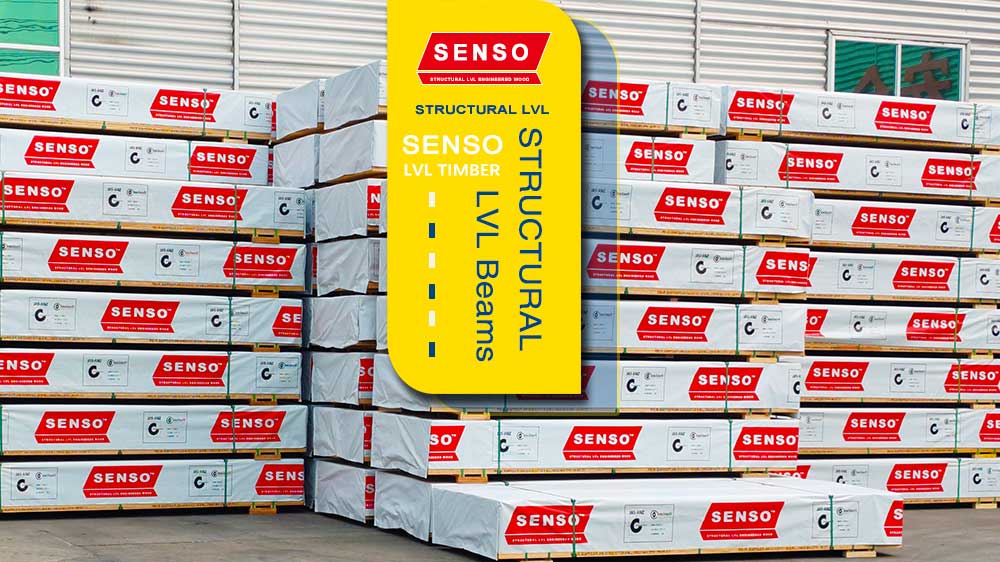
Behind these framing products stands a full quality system at SENSO. Veneer sourcing, pressing, machining, and packing follow documented controls and regular testing. That discipline gives wholesalers and builders confidence that every pack behaves like the last one.
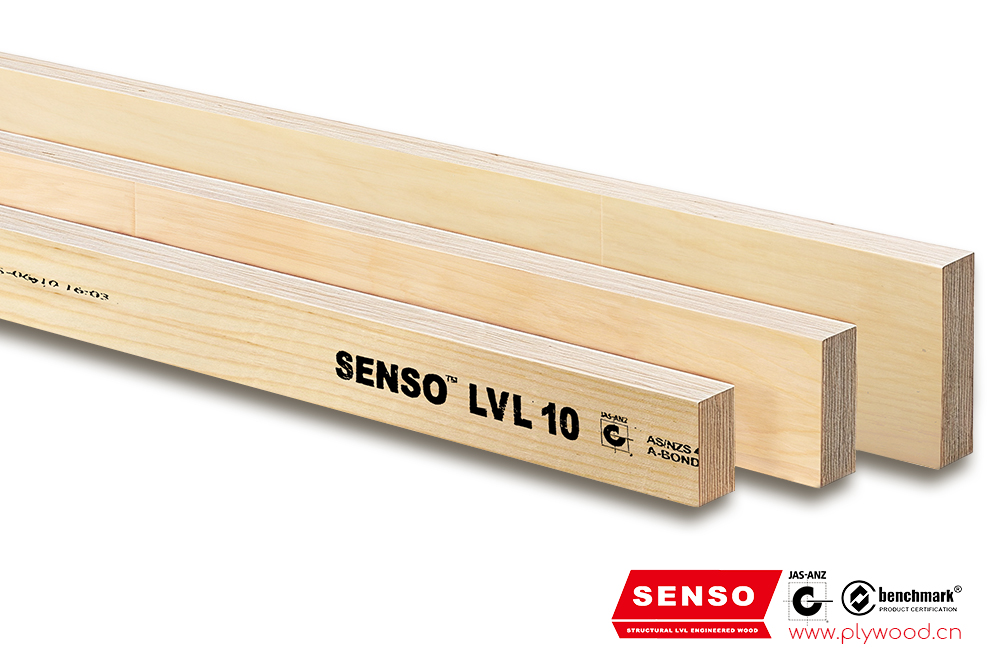
SENSO LVL 10
SENSO LVL 10 for fast, accurate framing. The product suits tall walls and wide openings. Each piece is stable and straight. Moisture control helps jobs in changeable weather. Termite treatment protects homes in risk zones. Edges are clean for fast fixing. LVL studs keep layouts true during sheathing. LVL studs also reduce site waste and rework. The range matches common wall stud framing sizes. Supply is steady for large projects.
Post time: Dec-29-2025