LVL wall framing vs pine MGP 10 and MG P12
Frames used to look simple. Most walls used solid pine framing, with MGP10 timber as the default choice. Some jobs used MGP12 pine in taller or heavier walls, but the overall system stayed the same. Building styles and client demands then shifted. Walls grew taller, openings widened, and finishes climbed in value.
Those changes pushed many crews to rethink the core frame. Small twists in wall studs now show under tiles and stone. Slight movement in external walls opens sealant lines and cracks paint. As a result, more builders started to look at LVL wall framing as a way to control risk and lift quality.
SENSO stepped into this space with a full LVL wall framing range. We took what we know from structural LVL beams and applied it to wall studs, plates, and lintels. The goal stayed clear. Keep the structure familiar for builders, but deliver more predictable performance than standard pine framing alone.
Why LVL wall timber is gaining ground
The market did not move toward LVL timber by chance. Several practical trends pushed that shift.
First, floor plans now favour high ceilings and large open living areas. Those ideas bring more load and more wind area to wall framing. Natural timber still works, yet sometimes sits near its comfort edge. LVL wall framing gives engineers extra stiffness and strength, especially in critical lines.
Second, finishes changed. Many homes now use full height bathroom tiles, long kitchen splashbacks, and large format boards. Minor movement behind these finishes leads to cracks and ripples. Builders who tried LVL timber in key walls often saw those problems reduce. That result built confidence in engineered systems.
Third, labour constraints grew. Crews no longer have time to sort large piles of twisted studs. They want packs that deliver high yield and behave in a steady way. LVL wall framing answers that need because engineered boards arrive straight and stay stable when handled well.
How LVL compares with pine framing
MGP10 timber and MGP12 pine both come from solid boards. Each board reflects the growth of a single tree. Grading checks stiffness and strength, but natural variation remains. Moisture change can still cause bow, twist, and cup. Builders accept some of that movement, yet they pay for it in sorting and rework.
LVL timber starts from thin veneers. All veneers run along the member, and we bond them under heat and pressure. This build spreads natural defects through the depth of the section. It also delivers a consistent stiffness value along the length. That consistency lies at the heart of LVL wall framing performance.
The table below sets the comparison in clear terms.
| Property | SENSO LVL wall framing | MGP10 timber | MGP12 pine |
| Base material | LVL timber, many veneers | Solid softwood board | Solid softwood board |
| Strength variation | Low, controlled by design | Higher, board to board | Moderate, better than MGP10 |
| Straightness in pack | Very straight and consistent | Varies by pack | More consistent, still variable |
| Moisture movement | Lower when detailed correctly | Strong movement with changes | Similar to MGP10, sometimes less |
| Best use | Tall, tiled, feature walls | Simple internal walls | Taller walls where cost is tight |
LVL wall timber and real site problems
Design charts tell only part of the story. Life on a real site looks different. Rain hits frames. Trades lean ladders and stock against walls. Builders race against program dates and inspection slots. Under that pressure, stable framing becomes priceless.
SENSO LVL wall framing addresses several common pain points. Crews report the biggest difference in three areas. First, they see straighter walls during set out. Lines stay true between plates, and corners hold square with less effort. That effect shows most clearly in long corridors and raking ceilings.
Second, they notice how walls behave during lining. Plasterboard, fibre cement, and cladding sit flatter across engineered studs. Nail lines hit the centre of members more often. Joint cracking reduces in top corners and around openings. Less time goes into packing low spots or shaving high points.
Third, they deal with fewer call backs. Home owners and tenants complain less about sticking doors, cracked tiles, or opening gaps. This outcome protects builder brands and eases pressure on warranty teams. It also improves cash flow because final payments arrive without long delays.
Where pine framing still plays a key role
LVL wall framing does not aim to push pine out of every job. Solid timber remains a smart choice in many parts of a frame. MGP10 timber still suits short internal walls with light finishes. These walls carry minimal load and rarely expose small movements. In those zones, pine framing gives strong value.
MGP12 pine sits between standard pine and LVL timber. It provides better stiffness than MGP10 timber and works in some taller walls. Many builders select MGP12 pine for mid range projects where budgets stay tight. It offers a balance between price and performance in walls that do not carry extreme loads or finishes.
A mixed frame often performs best. Builders use pine framing for low risk zones and LVL wall framing for high risk walls. This approach keeps average costs under control while protecting key rooms and facades. It also helps wholesalers manage stock by offering a clear ladder of options.
Cost view of LVL wall framing and pine
The first question from many buyers still relates to price. LVL timber usually costs more per metre than MGP10 timber and often more than MGP12 pine. That fact will not change. What can change is how teams judge total cost.
A frame uses more than metres. It uses labour, time, and reputation. Every twisted stud adds hidden costs. Crews spend extra minutes sorting, straightening, or replacing members. Those minutes grow into hours on large sites. Rework after linings adds more hours again. At the end, one complaint from an owner may erase savings made on framing price.
The table below gives a simple cost comparison.
| Cost factor | LVL wall framing | Pine framing (MGP10 / MGP12) |
| Price per linear metre | Higher | Lower |
| Sorting and waste | Low waste, high usable yield | Higher waste on long lengths |
| Labour during framing | Faster due to straight members | Slower from straightening and packing |
| Risk of call backs | Lower in key rooms and facades | Higher, especially with hard finishes |
| Overall value in complex builds | Strong | Depends on design and finish level |
Design flexibility with LVL timber and pine framing
Engineers like flexibility. LVL wall framing gives extra room to move when they design. Higher stiffness supports taller walls, longer bracing panels, and large openings. It also works well with structural LVL beams and joists in the same building. The system then uses one family of design values.
Pine framing still helps in this story. Designers often use MGP10 timber or MGP12 pine for non structural or lightly loaded walls. They may also pair LVL lintels with pine studs in some openings. The mix depends on risk, span, and expected finish quality.
SENSO LVL wall framing supports this mixed approach. Our LVL studs and plates share depths with common pine sections. They fit standard details and hardware. That means engineers can upgrade selected walls without redrawing entire plan sets. It also means builders do not need new fixing tools or methods.
LVL wall timber in wet and hot climates
Moisture and heat cause many long term frame issues. Frames stand open during early stages. Rain hits exposed plates and studs. Later, heaters and air conditioners drive other changes. Natural pine framing shrinks and swells as these cycles pass. Small changes add up over time.
LVL timber responds in a more controlled way. Veneers dry to tight ranges before pressing. Glue lines lock that structure in place. When builders store and detail LVL wall framing correctly, movement stays low. Walls remain closer to their original line.
In hot or humid regions, this control helps a lot. External walls face strong sun and driving rain. LVL wall framing reduces the chance of warping between ties and nogs. Cladding and linings then enjoy a stable base. That stability supports long paint life and better weather tightness.
Where LVL wall framing adds the most value
Some walls clearly benefit from an engineered approach. Builders see the biggest gains in these zones.
Bathrooms and laundries with full tiles gain from added stiffness. Movement here leads to cracked grout and failed seals. LVL wall framing keeps those surfaces true and straight.
Kitchens with heavy cabinets and stone tops also benefit. Strong, stiff studs help doors align and benchtops stay level. Tall living and entry walls with large glass areas depend on straight, stiff framing. External walls in high wind zones need extra resistance. LVL timber helps resist both load and long term creep in these areas.
Internal bedroom walls with simple paint may not need LVL wall framing. For those, pine framing remains a good choice. The key lies in mapping zones and matching each material to its job.
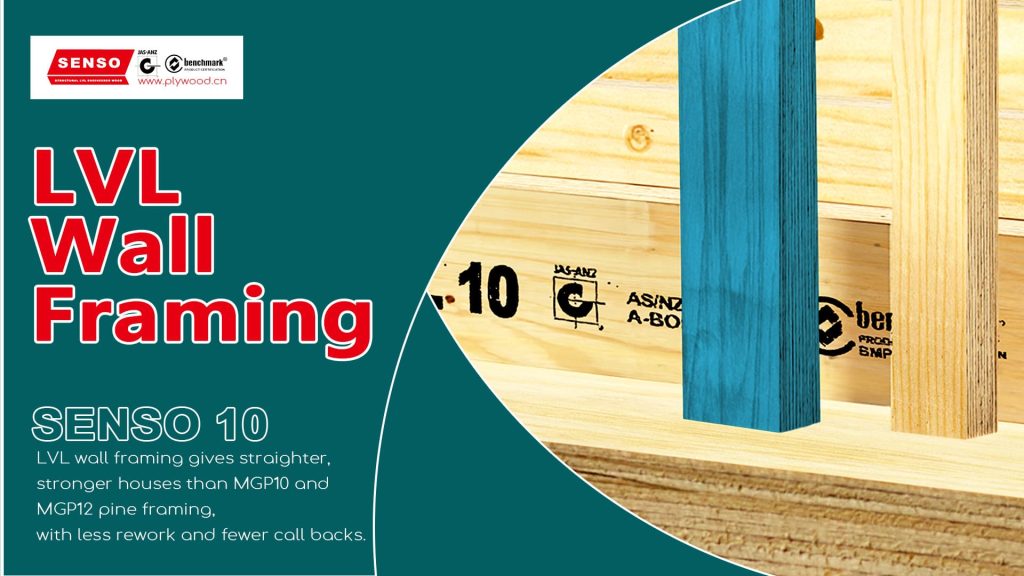
People also ask about LVL frame
Is LVL wall framing stronger than pine framing? In most grades, LVL timber offers higher design strength and stiffness than standard MGP10 timber. Compared with MGP12 pine, it often provides more reliable stiffness along the length. Exact values depend on the LVL grade and local standards.
Can I mix LVL wall framing with pine framing in one house? Yes. Many builders use a mixed frame. They install LVL wall framing in critical rooms and pine framing elsewhere. This method balances cost and performance and allows a smooth shift from older systems.
Does LVL need special tools or fixings? No special tools are needed for SENSO LVL wall framing. Crews use the same saws, nail guns, and screws as for pine framing. They simply follow the nail size and edge distance rules in the design guide.
Will LVL wall framing help with cracked plaster? Straighter, stiffer walls reduce common causes of cracking. LVL wall framing cannot solve every problem, yet it removes a large source of movement behind linings. Good jointing and fixing practice must still support this frame.
Is LVL timber more sustainable than solid pine? Both systems use plantation softwood in most markets. LVL uses veneers efficiently and often makes better use of each log. The final choice depends on supply chains, certifications, and local rules. SENSO can support these checks with documentation.
SENSO LVL wall framing for wholesalers and builders
Wholesalers and large builders need more than a clever product. They need a system that works from offer to handover. SENSO LVL wall framing fits that role. We design it around real site needs, not just brochure stories. Packs arrive straight, clearly marked, and ready for use.
For wholesalers, LVL wall framing adds a higher tier to existing ranges. Sales teams can present three clear steps. Pine framing in MGP10 timber for basic walls. MGP12 pine for mid range and taller walls. SENSO LVL wall framing for feature spaces and high value jobs. This tiered offer opens new conversations and supports stronger partnerships.
For builders, the shift feels calm and practical. Teams keep their current tools and general details. They simply choose LVL wall framing where it makes the most sense. Over time, they gain fewer headaches, fewer call backs, and happier clients. Those gains protect margins more effectively than a small saving on each stud.
In short, SENSO LVL wall framing turns wall design from a risk point into a strength. It lets pine framing do what it does best, while LVL timber steps in where stakes are higher. That balance keeps projects on track and helps every frame stand straight, from slab pour to final handover.
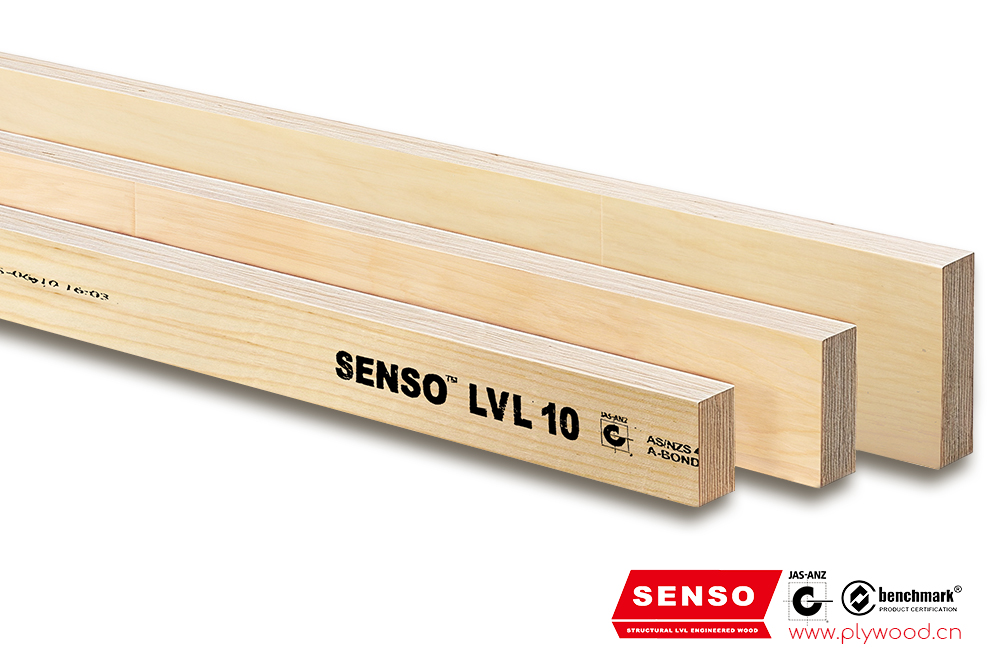
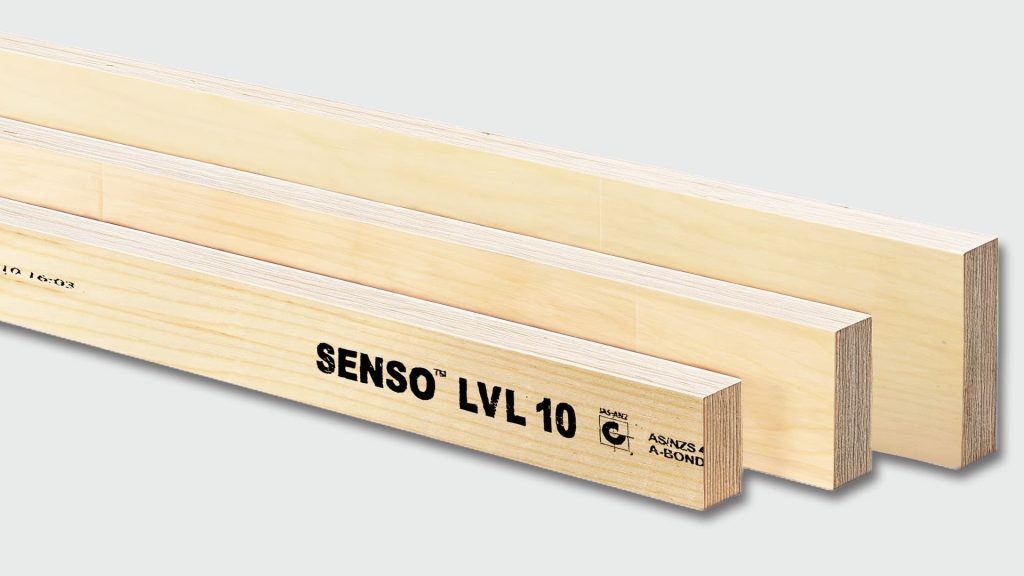
SENSO LVL 10
SENSO LVL 10 for fast, accurate framing. The product suits tall walls and wide openings. Each piece is stable and straight. Moisture control helps jobs in changeable weather. Termite treatment protects homes in risk zones. Edges are clean for fast fixing. LVL studs keep layouts true during sheathing. LVL studs also reduce site waste and rework. The range matches common wall stud framing sizes. Supply is steady for large projects.
Post time: Dec-22-2025