
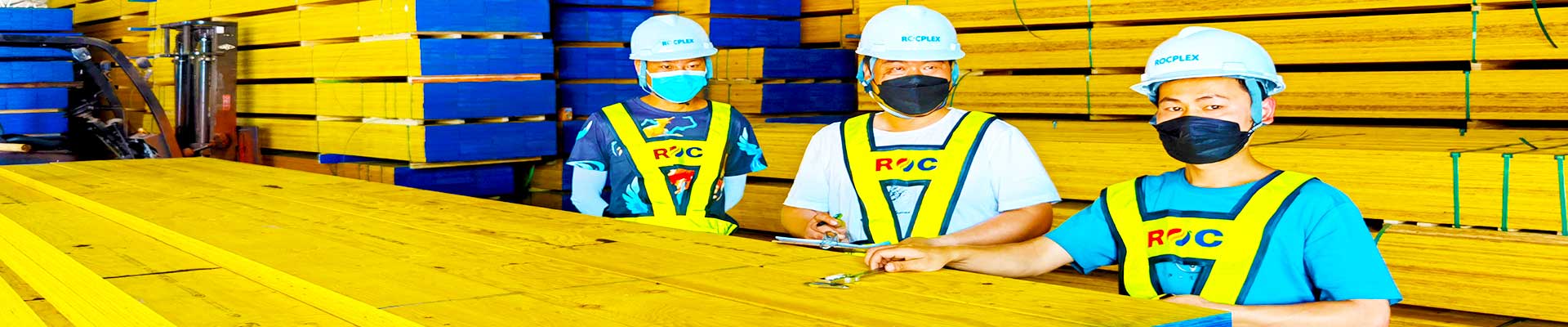
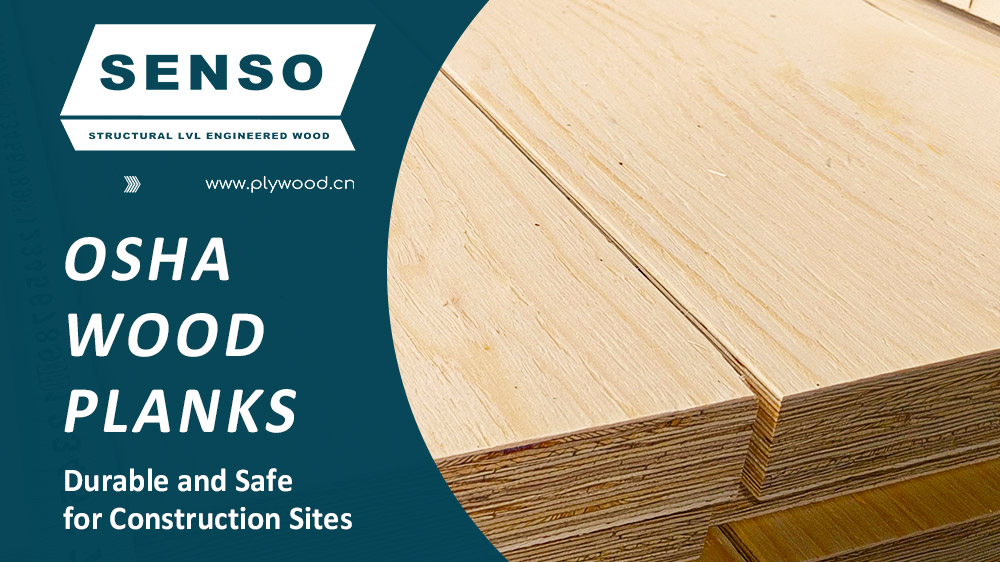
OSHA Wood Planks is Durable and Safe Plank for Construction
Construction sites are inherently dangerous, with workers frequently operating at height or in hazardous environments. As a result, safety becomes a primary concern, particularly when it comes to scaffolding systems, which provide the foundation for elevated work platforms. One of the most critical materials used for scaffolding is the OSHA wood plank. Designed to meet OSHA’s strict safety regulations, these planks offer the strength and durability required to support workers, tools, and materials at elevated heights. In this article, we will delve into the features, benefits, and applications of OSHA wood planks, highlighting why they are essential for construction sites and how they help improve safety.

What Are OSHA Wood Planks?
OSHA wood planks are specifically designed for scaffolding. Made from high-quality hardwood, they are built to withstand heavy loads and tough job-site conditions. To ensure safety, we treat the planks to meet or exceed OSHA standards. This means they provide one of the safest solutions for scaffolding and other high-stress applications. With OSHA compliance, these planks help maintain safe, stable scaffolding systems while ensuring regulatory adherence.
Unlike regular wood planks, wooden scaffolding planks undergo rigorous testing to ensure they meet specific strength and load-bearing standards. They must also be resistant to environmental factors such as moisture, rot, and extreme temperatures, ensuring they retain their structural integrity over time.
Key Benefits of OSHA Wood Plank
OSHA wood planks come with numerous advantages that make them an ideal choice for scaffolding systems. Some of the key benefits include:
Durability
OSHA wood planks are engineered to support heavy loads on scaffolding structures. Crafted from high-quality hardwood, they provide both strength and long-lasting durability. As a result, they deliver reliable performance even under demanding conditions.
Safety Compliance
As the name suggests, wooden scaffolding planks are certified to meet the safety standards set by the Occupational Safety and Health Administration (OSHA). By complying with these regulations, they offer a dependable and safe platform for workers at height. Therefore, you can trust them to support workers safely on scaffolding.
Cost-Effective
While OSHA wood planks might be slightly more expensive than non-certified alternatives, their durability and longevity make them a cost-effective solution in the long run. These planks are durable and require fewer replacements, leading to lower overall maintenance costs.
Versatility
OSHA wood planks are ideal for various scaffolding systems, ranging from residential to industrial construction projects. Thanks to their ability to bear heavy loads and resist environmental damage, they are versatile enough for a broad range of applications. This makes them a reliable choice for many construction environments.
Ease of Handling
Compared to some metal or composite alternatives, wooden planks are often easier to handle and install, reducing labor costs and improving efficiency on the construction site.
Why OSHA Wood Planks Are Essential for Construction Safety
Scaffolding is a vital component of most construction projects. Without a stable platform, workers would struggle to perform tasks safely at height. OSHA wood planks are key to ensuring scaffolding systems are strong, reliable, and compliant with safety regulations. The primary benefit of using scaffolding wood planks is their ability to provide a secure working environment by offering the essential support and stability needed for safe operation.
The certification of these planks ensures that they have passed extensive testing to guarantee their performance under high loads. For construction companies, using OSHA-compliant wood planks is not just about safety; it is also about meeting legal and regulatory standards. Non-compliant materials can lead to fines, project delays, and, more importantly, put workers’ lives at risk.
Applications of OSHA Wood Planks
OSHA wood planks are used primarily in scaffolding systems, but they also find applications in other construction setups. Some of the most common uses include:
Scaffolding Platforms
The most obvious application for OSHA wood planks is in scaffolding. These planks provide the platform for workers to stand on while performing their tasks at height.
Formwork Systems
OSHA wood planks are also commonly used in formwork systems, which support the molds for poured concrete. Their durability ensures that they can support the weight of both the concrete and the workers who are pouring it.
Temporary Walkways
OSHA wood planks are often used to create temporary walkways on construction sites. These walkways provide a safe path for workers to move around the site, especially in areas where the ground is uneven or hazardous.
Shoring and Bracing
OSHA wood planks also support structures in shoring systems during construction. These planks are critical for ensuring that walls, beams, and other structural elements stay in place during the construction process.
How to Maintain OSHA Wood Plank
To ensure that your OSHA wood planks continue to perform well and provide the necessary safety, regular maintenance is essential. Here are some tips for maintaining these planks:
Inspection
Regularly inspect planks for signs of wear, such as cracks, splinters, or warping. Replace any damaged planks immediately to maintain the safety of the scaffolding system.
Cleaning
Remove dirt, debris, and moisture from the planks to prevent deterioration. Wet planks can lead to mold growth or weaken the structure over time.
Storage
When not in use, store OSHA certified planks in a dry, sheltered area to protect them from the elements. Avoid stacking planks in a way that could cause warping or bending.
Comparing OSHA Wood Plank to Other Scaffold Materials
When considering materials for scaffolding, it’s important to compare OSHA certified planks to alternative options such as metal planks and composite planks. Each material has its own set of benefits and drawbacks, but scaffolding wood planks remain the go-to choice for many construction projects due to their unique combination of strength, safety, and cost-effectiveness.
Wooden Scaffolding Planks vs. Metal Planks
Strength and Durability
Both wood and metal planks are strong, but wood offers more flexibility, making it easier to adapt to different scaffolding systems. Metal planks, while durable, can be heavier and more difficult to transport and install.
Safety
OSHA wood planks offer natural slip resistance, especially when treated to prevent moisture buildup. Metal planks, on the other hand, can become slippery, requiring additional safety measures like anti-slip coatings.
Cost
Metal planks are often more expensive upfront, and while they last longer than wood in some cases, the higher initial cost can be a disadvantage for projects with tighter budgets.
Weight
Wooden planks are typically lighter and easier to handle than their metal counterparts, which reduces the time and labor required to set up scaffolding systems.
Wooden Scaffolding Plank vs. Composite Plank
Environmental Impact:
Composite planks are made from a mixture of materials like plastic and wood fibers. While they offer a longer lifespan and resistance to certain environmental factors, they are not as environmentally friendly as natural wood, which is renewable.
Load-Bearing Capacity:
Although composite planks deliver high strength and durability, wooden planks, especially those meeting OSHA standards, offer a reliable and cost-effective solution that has stood the test of time in construction.
Ultimately, the decision between OSHA wood planks and alternative materials comes down to the specific needs of the project. OSHA compliant planks remain a popular choice because of their proven safety record, reliability, and cost-effectiveness.
Regulatory Compliance and Legal Considerations
Using OSHA-certified wood planks ensures that a construction company adheres to the regulatory standards set by the Occupational Safety and Health Administration. Non-compliance with these regulations can result in fines, work stoppages, or, in the worst-case scenario, severe accidents that endanger workers.
In addition to meeting OSHA requirements, companies must also consider local regulations regarding the use of scaffolding materials. For instance, certain countries or states may have stricter safety regulations that necessitate additional measures. OSHA wood planks are versatile. They meet federal standards and can also adapt to local safety codes.
Construction companies should source scaffolding materials, including wood planks, from reputable suppliers. These suppliers must follow industry standards. SENSO is committed to providing high-quality, OSHA-certified wood planks that meet the highest standards of safety and performance.
How SENSO OSHA Wood Plank Stand Out
At SENSO, we take pride in offering some of the highest quality OSHA wood planks on the market. Crafted from carefully selected hardwood, our planks are designed to meet OSHA’s strict safety standards. Here are a few reasons why our OSHA-compliant planks are the best choice for your next project:
Superior Quality Control
Each plank undergoes rigorous inspection and testing to ensure it meets OSHA’s standards for load-bearing capacity, slip resistance, and durability. As a result, every plank is guaranteed to perform reliably and safely, even in the toughest conditions. In addition, this thorough process helps maintain consistent quality across all planks, providing peace of mind for workers and contractors alike.
Eco-Friendly Materials
We source our wood responsibly, using sustainable forests. Our planks are treated for durability with minimal environmental impact.
Custom Sizing Options
SENSO offers a variety of plank sizes to suit different scaffolding setups, allowing for greater flexibility in scaffolding design and construction.
Comprehensive Support
We offer expert guidance on the proper use, maintenance, and care of our scaffolding wood planks to ensure maximum safety and longevity.
By choosing SENSO OSHA wood planks, you’re investing in a safe, durable, and cost-effective solution for your construction site. We are dedicated to providing high-quality materials that meet the specific needs of each project while ensuring compliance with all safety regulations.

Durable and Safe SENSO OSHA Wood Planks for Construction Sites
OSHA wood planks are essential for creating safe and reliable scaffolding systems. Their durability, safety compliance, and versatility make them the ideal choice for construction sites across various industries. Whether you are working on residential, commercial, or industrial projects, using OSHA-certified wood planks helps ensure the safety of your workers and the success of your project.
At SENSO, we understand the importance of safety and reliability on construction sites. That’s why we offer top-quality OSHA certified planks that meet or exceed the strictest safety standards. Our planks are designed to provide long-lasting performance, ensuring that your scaffolding systems are both safe and efficient. Choose SENSO for all your OSHA wood plank needs, and experience the difference in quality, safety, and reliability.
LVL Timber
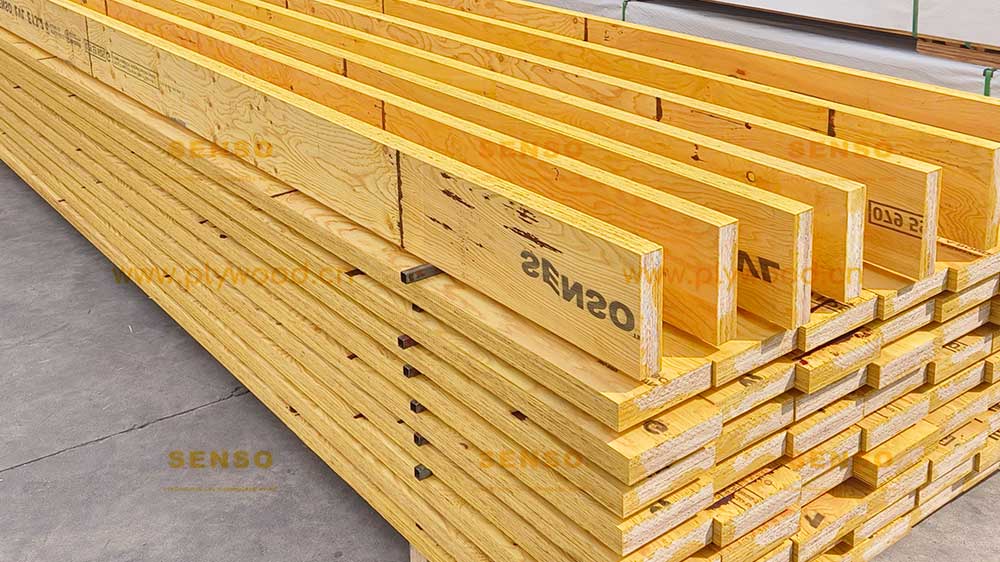
In the realm of commercial construction, structural integrity is paramount. SENSO Laminated Veneer Lumber (LVL) beams, recognized for their superior strength and durability, play a significant role in building robust structures that withstand the test of time.
Unveiling SENSO LVL Timber
SENSO LVL Timber are crafted with meticulous precision, harnessing the strength of laminated wood. These beams, renowned for their structural features like cross-orientation, superior strength, stiffness, and dimensional stability, redefine construction standards.
SENSO LVL Advantages in Commercial Construction
ROCPLY LVL Beam bring multiple benefits to commercial construction:
- Superior Strength and Stability: SENSO LVL Timber ensure buildings are robust, long-lasting, and resilient.
- Flexibility and Customization: Our LVL Beams can be tailored to suit diverse construction requirements.
- Cost-Effectiveness: SENSO strikes the perfect balance between quality and affordability.
- Sustainability: We uphold green practices, ensuring our products are environmentally friendly.
- Moisture and Fire Resistance: SENSO Structural LVL are designed to resist moisture and fire, enhancing safety.
- Variety and Aesthetic Appeal: We offer a range of sizes and decorative options, catering to various aesthetic needs.
Adherence to Industry Standards
SENSO commitment to quality shines through in our adherence to strict JAS-ANZ standards. Our laminated wood LVL surpass these standards, reinforcing our commitment to delivering high-performance and reliable products.
LVL Timber: Enhancing Structural Integrity
SENSO LVL Beams are vital to maintaining a building’s structural integrity. With outstanding load-bearing capacity, shear strength, dimensional stability, and resistance to humidity, our LVL Beam uphold the structural rigidity of buildings, meeting diverse architectural demands.
Diverse Industries and Applications
SENSO LVL Timber are embraced across numerous industries, including commercial construction, interior design, furniture manufacturing, and many more. The superior quality and versatility of our products make them the first choice for various applications.
Choose SENSO LVL Timber
ROCPLY LVL Beam are a testament to our unwavering commitment to quality, performance, and sustainability. They enhance the structural integrity of commercial buildings while catering to diverse architectural needs. Discover more about SENSO range of LVL timber products, connect with our sales team, or make your purchase today – we’re ready to redefine your construction experience.
Post time: Aug-18-2025